
The following contribution is from another author.
Living in a space that no longer fits your needs can feel frustrating. Rooms that once worked well now feel tight, outdated, or inefficient. Small annoyances build up, and suddenly the idea of a fresh start somewhere else feels tempting.
At the same time, packing up your life and starting over isn’t a small decision. Costs, stress, and uncertainty quickly enter the picture. Deciding between remodelling and moving can feel overwhelming, especially when both paths come with trade-offs. In the following sections, we’ll break down what each option really involves and help you think through what makes the most practical sense for your situation.
When your home starts to feel too small
It usually begins with small annoyances. The kitchen feels cramped when everyone’s at home. Storage runs out faster than it used to. The living room that once felt cosy now feels tight. So you start wondering if you’ve simply outgrown the space. Maybe you have too much stuff now.
But at some point, you realise something important: you can make your home feel larger with smart little tricks, but you’ll never make it physically larger without serious renovations or moving. Rearranging furniture helps for a while. Decluttering buys time. But square footage is square footage and there’s a limit to how much you can squeeze out.
And that’s when the big question appears. Do you leave, or do you change what you already have?
The emotional pull of starting fresh somewhere new
Moving has a certain romance to it. A new street. New neighbours. A layout that finally makes more sense to you. Sometimes it’s not even about space though. It’s about energy. A reset. In fact, some people even like the idea of moving to a new city over staying in their current one. It feels bold. Adventurous. Like turning the page on a chapter that’s run its course and stepping into something that feels full of possibility.
But emotion can often cloud practicality. A new place doesn’t automatically fix everything from your previous place. The same routines, habits, and daily pressures follow you. A different postcode doesn’t guarantee a different life. But it can sometimes offer perspective, fresh surroundings, and the motivation to approach your routines and priorities differently.
The reality of packing up your life
Now here’s the thing that doesn’t show up in glossy property listings. The truth is, moving can be stressful. Not just a little inconvenient. Properly draining. Sorting. Packing. Coordinating timelines. Waiting for paperwork. Living in limbo. These things really suck the life out of you, especially if you’re unprepared or going in without a plan.
It’s not only about boxes. It’s about uncertainty. Will the sale go through? Will the move-in date change? Will the new place have hidden issues? You tell yourself to power through. Everyone moves at some point. But the disruption touches every part of your routine. Work. Family. Sleep. Finances. All of these things add up quickly.
What a full remodel can actually change
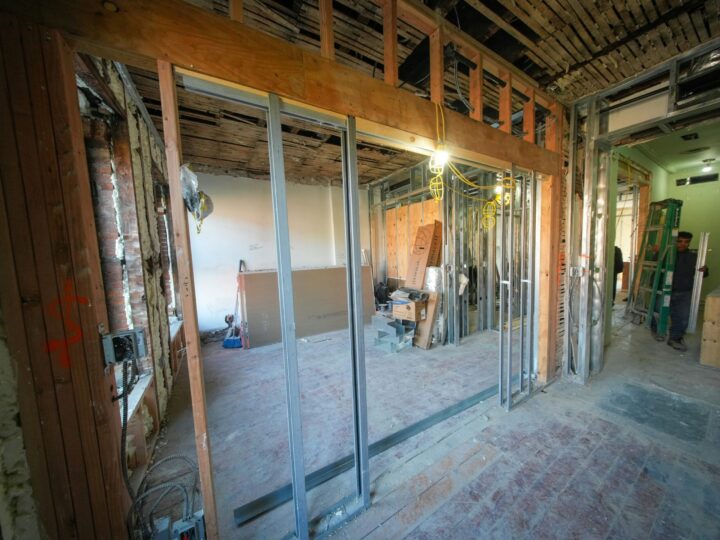
Remodelling sounds simpler at first. Stay put. Improve what’s there. It makes sense. A well-planned extension can add space. Knocking through walls can create flow. Converting a loft or basement can unlock hidden potential. But let’s be honest. A full remodel is not a weekend DIY project. It’s serious work. You might find yourself searching around for roofing contractors, comparing quotes, juggling timelines.
Still, the benefit is control. You shape the outcome. Instead of adapting to someone else’s layout, you create something that fits your life. You also get to prioritise what matters most to you. Maybe it’s a larger kitchen for family dinners. Maybe it’s a proper home office with a door that closes. Instead of compromising on someone else’s design choices, you decide where the budget goes and what gets attention first.
That level of involvement can feel demanding, but it also means the finished space reflects your needs, not just market trends.
The practical upgrades that pay off long term
Not every renovation is about adding space to your home. Sometimes it’s about upgrading what’s already there. Reaping the benefits of double-glazed windows, for example, can lower energy bills and improve comfort year-round. Replacing outdated systems can save money and reduce headaches over time.
A remodel can be strategic. Focus on what adds value and function. Improve insulation. Update plumbing. Modernise electrics. These changes don’t just make your home nicer. They make it work better. And that matters more than fancy finishes.
The everyday disruption of renovation life
There’s a trade-off, though. Living in your home with contractors around all the time can be a little annoying for some. Noise. Dust. Tools in the hallway. Delays that stretch longer than planned. It’s not fun. You might question your decision halfway through when the kitchen is unusable and takeaway becomes the norm.
Remodelling requires patience. Clear communication. A buffer in your budget for surprises. The difference is, the chaos is temporary. And you’re still rooted in a place you know. You don’t have to learn a new commute or figure out unfamiliar neighbours. You’re improving your foundation instead of replacing it. Once the dust settles, you get to enjoy the upgrade without having uprooted your entire life to get there.
Deciding what really matters to you
At the end of the day, this isn’t just about bricks and mortar. It’s about lifestyle. Schools. Commute. Community. Financial risk. Emotional attachment. Moving might solve space issues but introduce new stressors. Renovating might preserve your location but demand tolerance for short-term inconvenience.
Ask yourself what you’re actually craving. More space? Lower costs? A fresh start? Or simply relief from cramped corners? When you get honest about that, the answer becomes clearer.
At the end of the day both moving and remodelling come with disruption. One replaces your environment entirely. The other reshapes what you already have. Weigh stress, cost, and long-term goals carefully. Sometimes improving your current home is practical. Other times, a new start makes more sense. The right choice depends on what you value most.








Wow, the median home price is $400,000! If I were in this situation, I’d probably consider a home remodel over moving. I stumbled across this article while browsing AI prompts on Prompt CAT and it got me thinking. With so many inspiring ideas like Nano Banana prompts and more, wouldn’t it be great to find creative ways to upgrade at home?
Great article! Thanks for sharing. I really enjoyed reading this!
I appreciate the detailed breakdown of the financial and emotional costs of moving versus remodeling. It reminds me of the strategic planning needed for a complex project, similar to the kind of daily puzzle solving you find at Pips Hint.
This is such a thoughtful breakdown of a really tough decision. I really appreciate how you highlight the emotional pull of a “fresh start” versus the hidden stress of actually moving. The point about control in a remodel—creating something that fits your life instead of adapting to someone else’s layout—really stands out. At the end of the day, it’s not just about square footage; it’s about what kind of disruption you’re willing to tolerate for the life you want. Great read
This is so helpful! I really appreciate how you break everything down so clearly. I have tried so many things before but your approach makes so much more sense. Thank you!
Wow, what a comprehensive guide! I am really impressed by the depth of information here. This is going to be so useful for me. Thank you for taking the time to write such a detailed post!
The point about square footage being a hard limit is what really tips the scale. Cosmetic upgrades can refresh a space, but if the rooms themselves don’t work for how you live, you’re just decorating around the problem.
This article really highlights the emotional attachment people have to their homes, making a remodel about more than just finances. It’s true that starting fresh isn’t always the best answer when you have years of memories in a place.
That’s a really helpful breakdown of the true costs beyond just the initial price tag when deciding whether to remodel or move! It’s easy to underestimate things like the emotional toll of moving.