
The following contribution is from another author.
Smart heating gadgets can make each room more comfortable while giving you clearer control over energy use. Connected thermostats, room sensors, and smart radiator controls now work together to adjust temperatures around daily routines. Still, the best results depend on thoughtful setup and a heating system that works well. Here’s how to build a connected heating setup that feels useful every day, not overly complicated.
The Rise of Connected Comfort
Traditional thermostats ask you to choose a temperature and remember to change it later. Connected models can follow a schedule, respond to occupancy, and give you control from your phone. Many also track how long the heating system runs, which helps reveal patterns that would otherwise be easy to miss.
The appeal becomes clear during ordinary moments. If you leave work early, you can warm the house before arriving. When a cold snap moves in overnight, the thermostat can adjust its start time so the kitchen reaches the scheduled temperature by breakfast. A vacation mode can hold the home at a safe setting without running a normal weekday schedule.
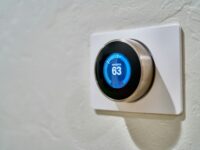
Start with the daily problems you want to solve. A household with an unpredictable schedule may benefit from geofencing, while someone who works from home might get more value from room sensors and precise scheduling. This smart thermostat overview explains how remote access, scheduling, and connected controls fit into a home temperature system.
Compatibility matters as much as the feature list. Check the thermostat’s wiring requirements, heating equipment support, and power needs before buying. Some homes have a common wire at the thermostat, while others may need an adapter or professional installation. If you use a boiler, radiant heat, or a zoned system, confirm that the device supports that specific configuration.
Smart Thermostats: Beyond Basic Control
A good smart thermostat does more than move temperature controls onto an app. Learning features can identify when the household wakes, leaves, and returns. Occupancy sensors help the system focus on rooms people actually use, while weather data can influence how early heating begins.
Look closely at the controls you’ll use after the novelty wears off. Useful energy-saving thermostat features include scheduling, temperature alerts and energy reports. Some models also provide filter reminders, humidity readings and maintenance notifications. More unusual smart thermostat functions may include voice control, equipment monitoring and detailed room-by-room data.
Technology can’t correct a mechanical problem, though. A thermostat may report unusually long heating cycles, but the cause could be trapped air, poor circulation, or overdue servicing. Homeowners in Montgomery County, Maryland, and Washington, DC can use professional boiler maintenance services to have their systems checked for efficient and safe operation.
After installation, use a simple schedule for the first week. Pick comfortable settings for waking hours, periods away from home, and bedtime. Review the runtime report after seven days, then adjust one setting at a time. Changing several features at once makes it harder to tell which adjustment helped.
For a closer look at how one established model performs in a real home, read this ecobee3 smart thermostat review.
Optimizing Your Heating Ecosystem
Comfort depends on more than the thermostat. Room sensors, smart vents, insulation, and regular maintenance all affect heating performance. A thermostat in a warm hallway may shut off the heat while a distant bedroom stays cold.
Place room sensors away from windows, vents, and direct sunlight. In multi-story homes, sensors on both levels can improve temperature readings. Zoned systems and smart radiator valves offer greater room-by-room control.
Keep vents and radiators clear, clean or replace filters as recommended, and seal drafts around windows and doors. If one room remains cold, address the cause before raising the heat throughout the house.
To track efficiency, compare heating runtime on days with similar outdoor temperatures. This smart thermostat energy guide explains how schedules and usage data can help reduce energy waste.