
The following contribution is from another author.
If you’re a homeowner, you’ll know that your roof can be a constant source of concern. While everything functions perfectly when it’s new, it can soon degrade, especially after a storm. That’s why it’s a good idea to be like a professional roofer and understand what makes a more robust and longer-lasting roof, especially if you’re the sort of person who likes to take responsibility for their property.
In this guide, we take a look at some of the things that you can do. We aren’t going to guarantee that your roof will last forever, but you can make it last much longer than the installers’ guarantee or specifications.
Start with proper preparation
The first thing you want to do is start with proper preparation. If you’re replacing an old roof, it’s a good idea to check the roof deck. This is the structure that supports the roof tiles and materials on top. Roof decks are usually made of wood, which means that they’re prone to problems like termites and dampness. If you notice any of these issues, then it’s a good idea to replace the roof deck.
Generally, it’s a simple job, and sometimes you can just remove a few components that have been damaged while leaving the undamaged structure intact. This method means you can save quite a lot of money. Once you have a clean and sturdy substructure, you’re ready to go.
Install a high-quality drip edge
The next thing you want to do is think about waterproofing. For many homeowners, this means installing a high-quality drip edge. This is a type of flashing that runs along the eaves and rakes and prevents water from getting into your home. Most are made of premium felt or synthetic material that acts as an underlayment. These overlap your property and are later covered by decorative elements. Whenever you get tile roof replacement, professionals will leave an overhang of between 2 and 6 inches. This provides you with maximum waterproofing as a secondary barrier to prevent any water from getting into your home.
It’s worth mentioning that even if you have a fully-fledged tile roof, some of the water will still run off and into channels around the building. If this happens, then it’s a good idea to have some sort of underlayment in place to prevent leak problems or issues with the walls and foundations.
Use ice shields
If you’re in a particularly vulnerable area, you might want to look at using an ice shield. Self-adhering ice shields and water barriers are an excellent way to protect any gaps in your defenses in the eaves or valleys. It’s also a good idea to utilize this material in areas which are minimally sloping. These can prevent ice dams from building up, which can become too heavy and then damage your property.
Use expert flashing
Some parts of your roof, particularly around the chimney, are prone to damage. While you might try to cut tiles and arrange bricks so that they line up exactly, that never usually happens.
Flashing is like another roof on top of your roof made out of a solid material, often metal. This allows you to seal vents, chimneys and walls and prevent water or erosion from seeping in.
You’ll find that once you’ve sorted out the flashing on your property, common leak points disappear. You no longer have a damp or musty smell in your attic every time you go inside.
Improve attic ventilation
Speaking of which, it’s a good idea to look for ways to improve your attic ventilation. Attics need to be able to transfer air and circulate it in the home. If they can’t do this, then there’s a risk of moisture and condensation building up. It can also damage the roof itself if the attic structure is too humid.
To ensure balanced attic ventilation, professionals usually install ridge vents. These are vents that run along the top of your home and reduce the risk of moisture buildup. They can also prevent premature shingle deterioration, which is an issue in homes in areas with a lot of wet weather.
Lastly, if you get this type of airflow right, it can stop heat buildup in the attic. Some sophisticated systems even allow you to recycle heat back into your home from the attic.
Choose durable materials
Of course, one of the most obvious things you can do to make your roof more robust is to choose the most durable materials you can. Metal and slate are the best for high winds and UV resistance, while tile is a good performer overall. Architectural shingles are another option, and they’re much more affordable. However, they don’t last quite as long. If you never want to think about your roof again, then consider a metal or a slate roof. These are premium materials, but once the installation is complete, you won’t have to think about much maintenance in the future.
Follow nailing and fastening patterns
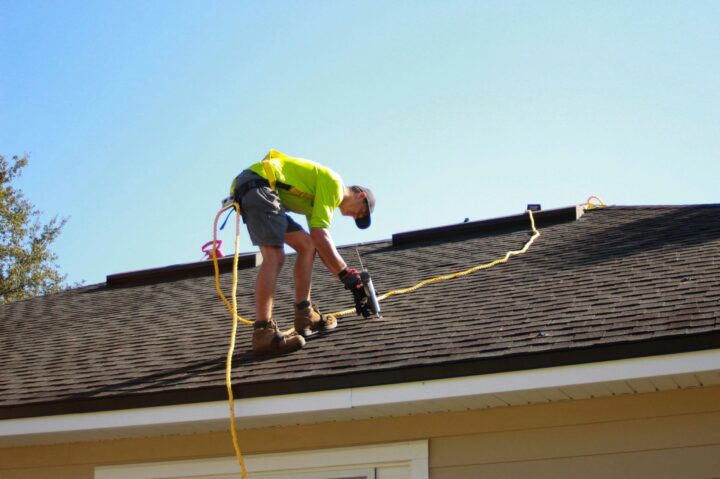
If you watch the pros doing their work, you’ll often notice that they follow precise nailing and fastening patterns. They put screws in regular intervals in the right spots to ensure that shingles and other roofing materials stay in place. One of the problems with shingles in particular is that it’s prone to creasing and warping, especially if a pressure is applied to it in any direction over time. But with proper nailing and fastening, you can stop distortions from taking place and keep your roof structure secure.
Opt for a standing seam
Finally, if you want to be like a pro roofer, opt for standing seam. Pros use this when installing metal roofs with concealed fasteners. These can dramatically improve weather resistance and the longevity of the roof. They work by holding everything in place and preventing warping from occurring even in areas which are prone to damage.
So there you have it, some of the ways pros make roofs last longer. Which of these techniques do you think you’ll use on your property?








Step into Monkey Mart today and experience the joy of continuous growth, where each improvement unlocks new opportunities, expands your store, and keeps customers coming back for more jungle-fresh products.
Thanks its a Brilliant and best blog so keep your work is best thanks!
Shape Your Fortress Saga! Build strategic strongholds, outsmart AI swarms with allies — Where global survivors rewrite warfare rules.