
The following contribution is from another author.
When it comes to home upgrades, what comes to mind? Chances are, it’s not the new electrical circuits you probably need but more thoughts of new kitchen landscaping, adding an extra bedroom, or removing some features you don’t like.
But the thing is, a lot of homes are running on old and inefficient power supplies and electrical circuits, which can be dangerous. This is especially true of homes around 40 years old or older. So if you’re looking to improve safety and functionality, updating and investing in your home’s electrical aspects can be worth every single dollar.
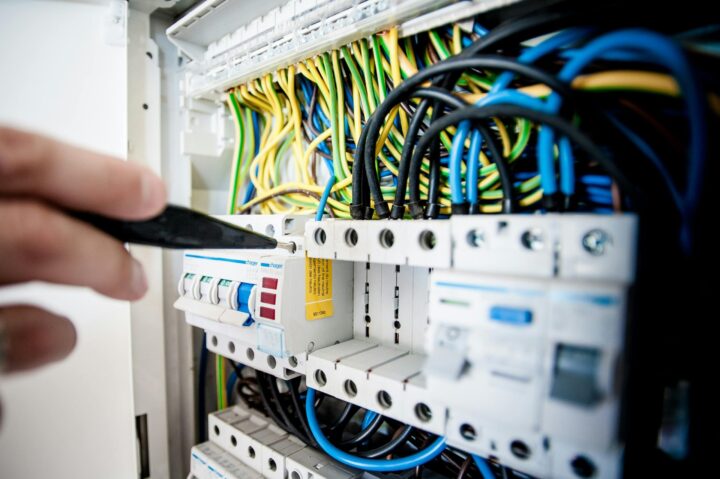
Breaker Panel
Older fuse boxes weren’t designed for the electrical demand of modern lives. And homes that are running more devices and have higher loads and sensitive electronics need stable protection.
Updating a modern breaker panel can improve circuit control and fault protection.
Ground fault circuit interrupters (GFCIs) or combination AFCI breakers dramatically reduce shock and fire risk by cutting power during abnormal conditions.
Breaker upgrades also improve reliability. Modern breakers prevent nuisance tripping and uneven stress load. And while homes need to be compliant with modern electrical systems. It is more about functionality, efficiency, and, of course, safety, as old systems present a fire risk. Talking to an expert electrician can help you understand the health of your breaker panel and determine if you need an upgrade or not.
Efficient Energy Lighting
A less costly option for your home is to swap your lighting over to more energy-efficient alternatives. If you’re looking to save some money and see fast returns, this is where you’re going to see it first.
Traditional bulbs convert a bigger portion of energy to heat than light, while modern LED lights reduce energy consumption and improve illumination quality without wasting energy on heat.
Plus, LED lights last significantly longer cutting replacement frequency, which is both good for your bank account and for the environment too. So you’re getting lower bills, improved lighting, and less waste with one simple change.
Additional Outlets
If you’re using copious amounts of extension cords around your home, then it’s safe to say you probably need more outlets. Again, a common issue in older homes that weren’t designed for the need for outlets we have today. And when you’re adding more and more cords to outlets, you’re increasing the risk of overload and putting additional strain on the system, not to mention introducing clutter around your home.
What you need to do to resolve this is talk to an electrician to understand where in your current system you can add more sockets and what is the best and most practical option for your home and the system. From here, they’ll suggest appropriately positioned areas to introduce new sockets, so you’re not proportionately distributing the load and creating an overheating risk.
Whole Home Surge Protection
Again, not too much of a glamorous choice to invest in, but it’s definitely one for those who are safety-conscious. Voltage strikes are more common for some homeowners. This is from lightning events, grid fluctuations, and large appliances cycling. When these occur, they can all introduce sudden electrical surges, es but protection shields prevent against that and protect appliances and electronics from damage by intercepting excess voltage at the panel. Most modern homes have this included as standard to meet regulations; however, it’s always worth checking because, without protection, components can fail immediately or degrade over time.






I hadn’t really considered how much efficiency modern electrical panels can add, thanks for highlighting that! It’s easy to get caught up in cosmetic upgrades and overlook the safety and cost-saving aspects of electrical work.