The following contribution is from another author.
Smart homes have been on the American public’s mind since The Jetsons. The family life depicted in the animated series may have been a tongue-in-cheek vision of what the future could look like, but the truth is, we’re practically there today. Granted, we may not have a flying car, but around 77 million homes in the USA have at least their own Rosey Robot, except that it’s called Roomba and is connected to Alexa.
More than half of American households now own and actively use at least one smart gadget. The industry is optimistic, forecasting that the Jetsons-like smart home life will continue to grow, with over 68% American homes adopting smart home systems by 2027.
Why do we love the idea of a smart home so much? The real question you need to ask is why wouldn’t you like it? A home that cleans itself, regulates its own temperature, and locks its own door feels like the perfect depiction of a utopian future in the way the Jetson family enjoys it. There may not be a Rosey Robot, but we now have the tech knowledge to replace her with interconnected gadgets that act as the sci-fi housemaid we’ve always wanted.
Ultimately, convenience is the key reason behind the adoption of smart home hubs. For certain demographics, we are also talking about prolonged independence at home, such as for elderly adults and those living with disabilities that would, otherwise, force them to move into specialist institutions.
However, as smart home technology is becoming more and more mainstream, many homeowners are discovering that not every connected upgrade delivers the experience they expected. The real question is no longer how popular smart homes can get but whether every smart home upgrade is actually a smart investment.
Smart Doesn’t Equal Useful
One of the biggest misconceptions is to assume that just because a product is “smart” it can therefore improve your life. In reality, this isn’t always the case.
A lot of smart home products may look impressive during demo, but everyday life can look very different from the polished social media video. Ultimately, some basic functions end up being replaced by systems that can be more complicated and time-demanding to manage than the analog products they replace. That is without mentioning the need for regular updates and constant notifications that can be distracting.
Ultimately, there is also a growing tendency for companies to add smart features because the market expects them, but not every appliance benefits from internet connectivity at this point in time.
The Hidden Cost of Incompatible Ecosystems
Don’t assume that connected products are designed around compatibility. In reality, smart home ecosystems are oddly fragmented. Indeed, companies like Apple, Samsung, Google, and Amazon — some of the key smart home players — operate within their own platform. Of course, compatibility has improved over the years, but there are still too many limitations.
What does it look like in real life? Some devices only work at their best within specific ecosystems. They may lose features when paired with other platforms, or not be able to integrate the existing ecosystem at all. So, in the end, homeowners end up wasting a lot of money on devices that can’t fulfill their initial purposes.
Additionally, companies are also prone to discontinue support for older products as smart home technology evolves. This translates into devices that suddenly feel outdated after software changes or can’t connect to the hub anymore.
This is even more ironic because the core idea behind a smart home hub is to enable freer and more flexible living at home. However, the setup can often end up more restrictive and challenging than not having any smart home ecosystem at all. The industry is trying to improve the issue through universal standards, but we are still a long way away from the full interconnectivity support across all platforms that homeowners need.
Cybersecurity Risks
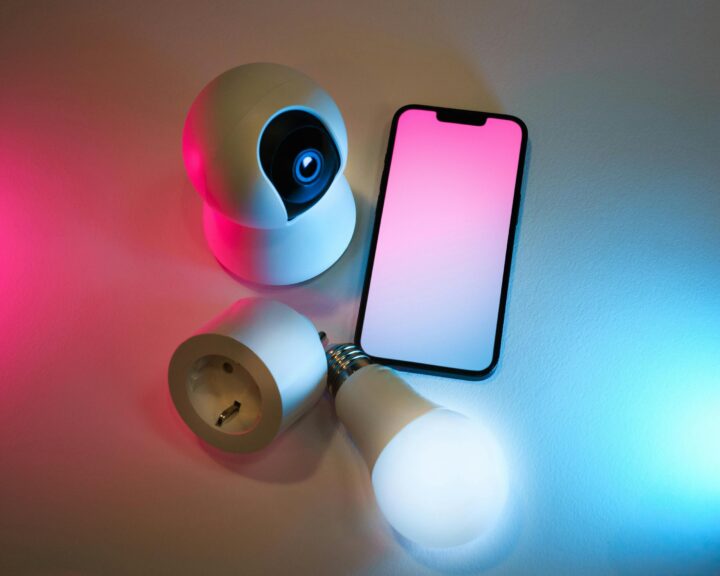
Smart homes collect an enormous amount of data about the people living inside them. More connected appliances generate data all the time, including cameras, microphones, doorbells, voice assistants, thermostats, etc.
While consumers tend to focus on convenience when buying smart gadgets, cybersecurity needs to become a priority. Indeed, some smart home products have developed a reputation for weak security protections or poor long-term software support. In some cases, manufacturers stop releasing updates after only a few years, exposing older products to cybersecurity vulnerabilities for households still using them.
Why is it a problem? When only one product gets compromised, it can potentially create access points into other parts of the smart home system. This means that hackers can gain access to valuable information about the household, such as the family routines or even video feeds from inside the home.
This level of behavioral information is valuable for criminals, whether they are planning to sell the data they can steal or to infiltrate the home when it’s empty.
Subscription Fatigue
A lot of connected devices may seem affordable at first, but their features are often locked behind recurring monthly payments. So, the affordable security cameras actually require cloud storage plans, and the monitoring systems charge for recording history and advanced alerts. Besides, AI-powered assistants are typically linked to subscription-based services.
The bottom line: Costs can add up quickly. A home filled with smart products can start generating high monthly charges before you know it!
Why Research Matters
With so many potential risks plus the constant communication from influencers and unrealistic social media displays of perfect smart home hubs, it’s important to do your research before buying.
As smart home systems can affect privacy, long-term costs, cybersecurity, and compatibility, you want to make sure you gather sufficient insights on companies from reliable sources before making your decision.
Smart buyers need to take the time to look into independent reviews, away from the flash and glamour of influencers and social media. Smart connected living starts with technology that you know you can 100% trust to fit in your home and routine.
As smart home technology is becoming one of the fastest-growing parts of modern consumer tech, it’s important not to rush into purchases you will regret down the line. Remember: Not everything that shines is gold, and not every smart product will improve your life.