The following contribution is from another author.
If you love getting out into nature, you probably already care a lot about protecting our natural resources. This conservation mindset doesn’t have to stop when you head home. Making your home more water-efficient is a great way to keep up that environmental care in your daily life. Plus, it saves you money and resources you can then put towards your next big trip. With just a few smart changes, you can make sure your home runs just as smoothly as your favorite hiking gear.
Water Conservation on the Go
The “Leave No Trace” ideas you follow on the trail can really inspire changes at home. When you’re camping or backpacking, you’re super aware of every drop of water because you often have to carry it yourself. This makes you think carefully about water, something that’s easy to forget when it flows freely from your tap.
Bringing that careful thinking home is the first step to using less water. Think about what you do outdoors, like turning off the water while you’re soaping up or only using what you need. Doing the same in your kitchen and bathroom can cut down your water use a lot, and you won’t even need new gadgets. It’s all about changing how you see water, from something endless to something you use mindfully.
Smart Home Water Technologies
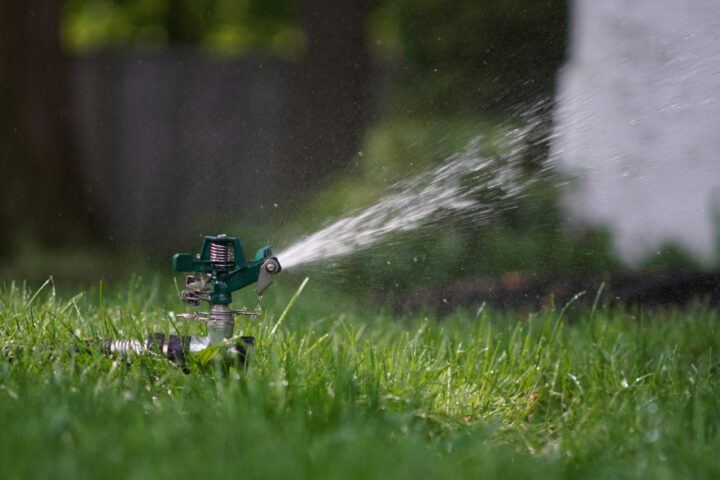
Technology gives us some amazing tools to really fine-tune your home’s water use. Smart irrigation systems are a perfect example. Instead of just watering on a set schedule, these systems use local weather info, soil moisture sensors, and details about your plants to water your yard only when it truly needs it. This stops you from overwatering and wasting water, all while keeping your lawn healthy with minimal effort. Smart irrigation technology can really help cut down on how much water you use outside.
Inside your home, smart water monitors can keep an eye on all your water flow in real time. These devices learn your usual water habits and can send an alert to your phone if they spot a possible leak, like a running toilet or a dripping pipe. Some fancy systems can even turn off your main water supply automatically to stop big damage, which is a huge relief when you’re off on an adventure. You can find all sorts of water-saving technologies to fit what you need.
Checking for Leaks and Drips
A tiny drip can actually waste a surprising amount of water over time. For example, a faucet dripping just once a second can waste over 3,000 gallons a year. Checking for leaks regularly is one of the best ways to stop wasting water. Start with the easy stuff: listen for dripping faucets and toilets that keep running. A common problem, often a silent one, is a broken toilet flapper. You can test for this by putting a few drops of food coloring into the toilet tank. If you see color in the bowl within 10 to 15 minutes without flushing, you’ve got a leak.
For leaks that are harder to find, check your water meter. Turn off everything in your home that uses water, then read the meter. Wait two hours and read it again. If the numbers have changed, you probably leak somewhere in your system. While some fixes are simple, hidden leaks can be tough to locate and repair. For bigger problems that could damage your home, it’s smart to call professional residential plumbing services to figure out and fix the issue correctly.
Upgrading to Efficient Fixtures
Older plumbing fixtures are known for being pretty wasteful with water. If your home was built before the mid-1990s, you might be using way more water than you need to. Upgrading to newer, more efficient fixtures is an investment that pays for itself through lower utility bills. Look for products with the EPA’s WaterSense label. This means they’re at least 20 percent more water-efficient than similar products.
Swapping out an old, inefficient toilet can save a family thousands of gallons of water every year. And putting in a WaterSense-labeled showerhead can save both water and the energy used to heat it, all without making your shower less enjoyable. These upgrades are fairly simple and give you immediate, noticeable savings, leaving you with more money for the gear and trips that fuel your adventures.
Making your home more water-efficient is a real way to live by the values you practice outdoors. It’s a practical step that helps save a vital resource, saves you money, and connects your home life with your love for adventure.