The following contribution is from another author.
The idea of a “future-proof” home does not solely rely on integrating new smart technologies. Instead, it is focused on building a home environment that will remain functional, energy-efficient, flexible, and stand the test of time. Smart devices can certainly enhance daily life, but the strongest foundation for a modern home starts with practical improvements that support long-term value. If you focus on the basics, it becomes so much easier to create a future-ready home.
Focus On Strong Home Infrastructure
Each successful home improvement project starts with what you can call the “fundamentals.” That includes your roof being in good shape, your water supply lines functioning, and your electrical system wired and working properly. When these elements are in good shape, future upgrades become easier and more effective.
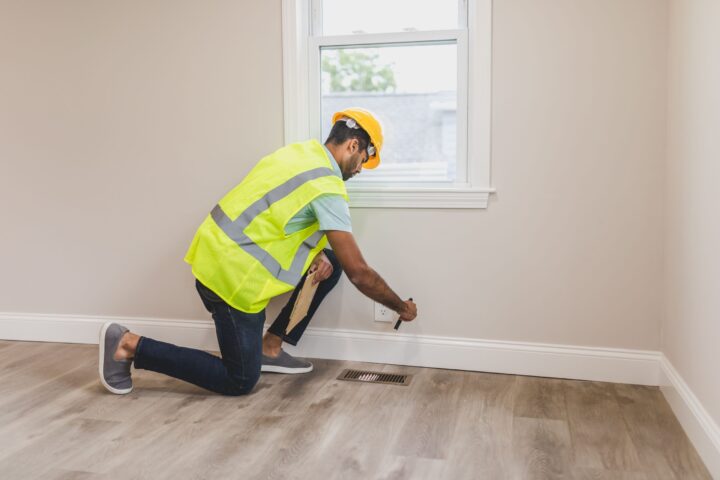
Before investing in connected devices, homeowners should consider professional home inspections to identify hidden issues such as moisture intrusion, aging electrical systems, or insulation problems that could undermine future smart-home upgrades. Taking this step helps ensure that future investments perform at their best while supporting the overall health of the home.
Improve Energy Efficiency Early
Improving energy efficiency early on will be one of the smartest financial decisions you can make. The key to achieving this improvement includes improving the insulation of your walls and floors, upgrading your windows, and installing efficient heating and cooling systems.
Most homeowners experience improved comfort in their homes across all seasons when these upgrades are done. When newer technologies emerge, an already energy-efficient home is positioned to benefit from them without requiring major adjustments beforehand.
Create Flexible Living Spaces
Flexible living spaces are one way to create a “future-proof” home. Space in a home where there is flexibility in how it can be used will have more value as an owner’s lifestyle changes. A guest room today may become a home office tomorrow. A quiet study area could eventually transform into a hobby space.
Flexibility allows homeowners to make the most of their property without expensive renovations. Simple design choices that encourage adaptability can have lasting benefits.
Plan For Reliable Connectivity
Internet-connected appliances are used in almost every modern home. Streaming service use continues to grow as well as the number of people using their home as an office or workspace. Reliability of your home’s connectivity may be just as valuable as that of electricity, water, and other standard utility supplies.
Planning ahead for both your wireless network and locations where you have access points will provide flexibility in meeting your evolving technology requirements. Home users with a stable, reliable connection also make it much easier to incorporate additional smart features into their home over time.
Prioritize Comfort And Indoor Wellness
In addition to being smart, modern homes will be healthier and more comfortable to live in. Homes that ventilate properly, maintain healthy humidity levels, and contain clean indoor air will create an environment in which people want to live. In many ways, making small changes now to make your home more comfortable will help you continue to enjoy it for years to come.
Building A Home Ready For Tomorrow
You don’t have to completely transform your home into something it was never meant to be. In fact, the best way to “future-proof” your home is by making simple upgrades that improve the strength of your property, beginning with its basic fundamentals. It is usually easier and less expensive to make small changes at first that will improve your house before worrying about way-out techy advancements.