The following contribution is from another author.
Keeping your valuable equipment safe, whether it’s high-tech gadgets or outdoor adventure gear, really comes down to taking care of where you store it: your home. Here are seven tips to help you get started with an annual maintenance check. A well-kept house is your first and best defense against anything that can wear down, damage, or even ruin your belongings. When you’re on top of home care, you’re not just protecting your home’s value; you’re also making sure the gear you use for work and fun lasts a long time.
Safeguard Your Outdoor Equipment
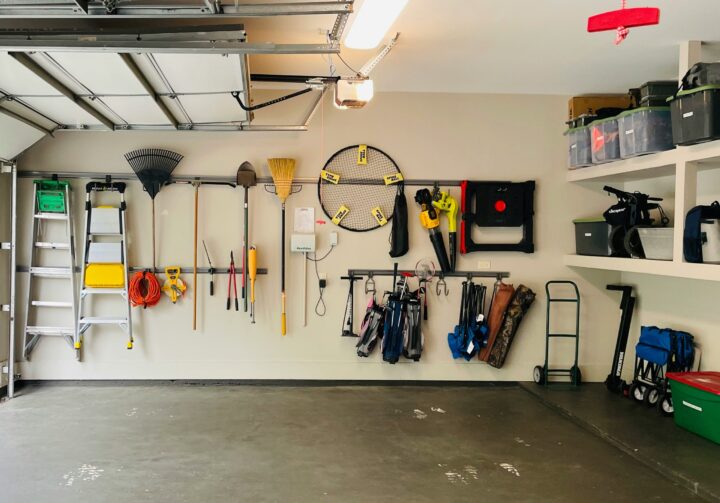
Your garage, shed, or basement often holds a lot of expensive stuff like lawnmowers, grills, bikes, and camping supplies. These things can easily get damaged by moisture, dust, and big temperature changes. Organizing and storing them properly is super important. Try using wall racks and sealed plastic bins to keep items off the floor. This protects them from damp concrete and any water that might get in. Before you put away seasonal gear like a lawnmower or snowblower, give it a good clean and do any needed maintenance, like draining the fuel, so it’s ready to go next time you need it.
The Role of Exterior Paint
Think of your home’s exterior as the ultimate protective shell for everything inside. A good paint job isn’t just for looks; it creates a barrier against the weather. If you have gaps, cracks, or peeling paint, moisture can sneak into your walls. This can damage the structure and make your home damp inside, which is terrible for electronics and other sensitive items. If you see signs of wear like flaking or chalking, it’s a sign that your home’s main shield is getting weak. Talking to a professional painting company can help you figure out what condition your home’s exterior is in and get its protective qualities back.
Seasonal Home Prep Checklist
Setting up a regular, seasonal maintenance schedule is the best way to stop little problems from turning into big, expensive disasters that could ruin your stuff. Making a simple seasonal home maintenance checklist for homeowners can help you stay on track.
- Spring: Clean out your gutters and downspouts. This stops water from overflowing and potentially flooding your basement. Check your roof for any damage from winter, and look at your windows and doors for worn-out seals.
- Summer: Take a look at your decks and patios for loose boards or cracks. Also, keep an eye out for pests, which tend to be more active when it’s warm.
- Fall: Disconnect and put away your garden hoses. Get your heating system inspected and serviced. Make sure your attic insulation is good enough to prevent ice dams.
- Winter: Watch out for pipes in unheated spots like basements or crawl spaces to keep them from freezing.
Battling Moisture and Pests
Moisture is a huge enemy of valuable gear. High humidity can cause rust on tools, mold on fabrics, and permanent damage to delicate electronics. Over time, humidity can even corrode and short-circuit home electronics. Use a dehumidifier in basements or storage areas that tend to be damp. Make sure your bathrooms and kitchen have good ventilation to get rid of humid air. Pests are another big threat; mice can chew through expensive electronics’ wiring, and insects can damage textiles. Seal up any cracks in your foundation or gaps around pipes and utility lines to block their entryways.
Long-Term Value Protection
Keeping up with home maintenance is like investing in how long your house and all the expensive gear inside it will last. By regularly checking your home’s exterior, managing moisture, and staying on top of seasonal tasks, you create a stable and safe environment. This proactive approach doesn’t just stop big problems like a burst pipe or a leaky roof; it also protects the thousands of dollars you’ve put into your tools, tech, and recreational equipment. A little effort each season goes a long way in keeping your most valuable assets safe. This proactive mindset also applies to identifying hidden household hazards, including potential lead exposure in older homes.
Taking care of your home’s main systems is the foundation for protecting everything you own. These simple but essential maintenance habits ensure your gear stays safe, works well, and is ready for your next project or adventure.






FilmPlus is a digital entertainment application that offers a wide collection of movies and television series through an organized and user-friendly platform. The application is designed to help users discover content quickly by arranging programs into convenient categories. Viewers can explore different genres, find trending titles, and browse recommendations with ease. Its simple interface and smooth navigation contribute to an enjoyable viewing experience. FilmPlus remains a popular option for users seeking accessible and diverse entertainment content.
Consistent home maintenance is truly the best way to safeguard your property and keep everything running efficiently for the long haul. It is a meticulous process of caring for your environment that feels as creative and structured as designing a detailed, high-quality character setting with an Anime AI Generator.