
The following contribution is from another author.
Having a special spot at home just for working out or getting your gear ready for your next big adventure can really help you stick with it. Even if you only have a tiny corner instead of a whole room, setting up a useful area makes it easier to focus on your goals. You won’t have to deal with commutes or crowded public places. This guide will show you how to create a practical and inspiring space for training and getting ready, right in your own home.
Why Train at Home?
It’s tough to beat how convenient a home gym is. You save time on travel, never have to wait for machines, and those monthly membership fees stop piling up. You can fit in a workout whenever it suits you, whether that’s bright and early or late at night. This kind of flexibility removes many of the common barriers to staying active.
Beyond just being convenient, having your own setup at home gives you privacy and lets you make it truly yours. You can blast your own music, follow any workout plan you like, and arrange everything exactly how you want it. Over time, buying your own equipment can actually save you money compared to a long-term gym membership, giving you a dedicated space that’s all your own.
Essential Gear for Your Home Setup
You don’t need a room packed with big, clunky machines to get started. The main thing is to pick versatile items that really help with what you want to do. For most people, these are great to begin with:
- Resistance Bands: They’re cheap, take up almost no room, and are perfect for building strength and stretching.
- Yoga Mat: You’ll definitely want this for floor exercises, yoga, and to give you a little cushion on hard floors.
- Adjustable Dumbbells or Kettlebells: Just one set can do the job of a whole rack of weights, which is awesome for smaller spaces.
As you get further along, you can add things that match your goals. Thinking carefully about building your own home gym means you’ll invest in gear you’ll actually use, instead of ending up with a bunch of unnecessary clutter. The goal is to create a space that fits your routine and available room rather than trying to recreate a commercial gym.
Making Your Basement Functional
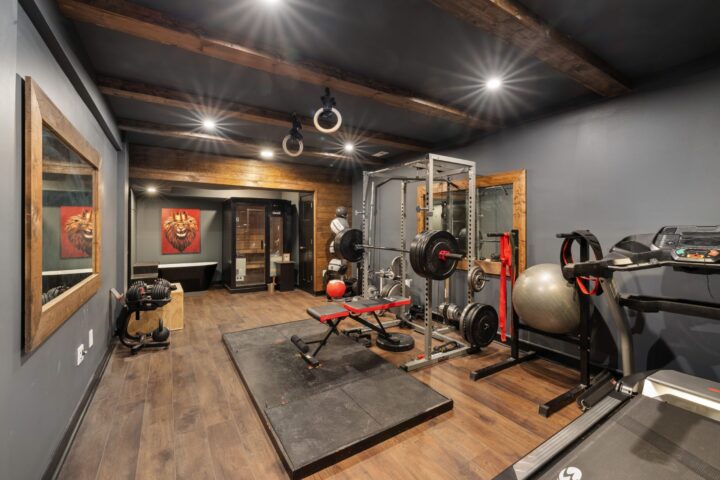
People often overlook an unfinished basement, but it has amazing potential for a home gym or prep area, especially after basement refinishing. Since it’s separate from your main living areas, it gives you a dedicated spot away from daily distractions. But turning a concrete cave into a comfy training space needs a few important steps. Good lighting, ventilation, and flooring are super important for both safety and staying motivated.
Most importantly, you need to make sure the space is dry and properly finished before bringing in workout equipment. A professional basement refinishing project transforms an unfinished space into a comfortable, functional room by improving insulation, flooring, lighting, and moisture protection. With these upgrades in place, your basement becomes a bright, safe, and motivating environment that’s well suited for a home gym or training area.
Optimizing Space for Activity
Even if you don’t have a basement, you can still set up a fantastic workout zone in a small area. The trick is to be smart about your space and gear. A spare bedroom, a corner of your living room, or even a wide hallway can work. Look for furniture and equipment that does more than one thing and can be easily put away.
Foldable treadmills, pull-up bars that mount to the wall, and weights you can stack are all excellent choices. Things like shelves or pegboards can help you keep gear organized and off the floor. There are lots of creative beginner home gym setup ideas that show you don’t need a huge amount of space to build an effective practice.
Keeping Your Equipment Safe
Storing your equipment properly is really important for safety and making it last. Loose weights, bands, or cables can easily become something you trip over, especially in a space you use for other things. Use specific bins, shelves, or racks to keep everything tidy and secure when you’re not using it. This is extra important if you have kids or pets at home.
Make sure any heavy equipment, like a squat rack or treadmill, is on a flat, steady surface. Using rubber gym flooring or interlocking mats can protect your floors and give you a non-slip surface for your workouts. Always check your equipment regularly for wear and tear to prevent accidents and keep it in good shape.
Your perfect training space is totally achievable. Start with a clear plan and focus on what you truly need, and you’ll create a home setup that supports your health and adventure goals for years to come.