The following contribution is from another author.
A small, dark stain on the ceiling or a faint, musty smell in the basement might seem like minor annoyances. However, these are often the first visible signs of a much larger problem lurking behind your walls or under your floors. Hidden water damage is one of the most destructive issues a homeowner can face, silently undermining your home’s structure and your family’s health. Unlike a sudden burst pipe, slow leaks can go unnoticed for weeks or months, giving moisture the time it needs to cause serious harm.
Sources of Hidden Water Leaks
The most dangerous water intrusion isn’t always from a dramatic flood. More often, it’s the slow, steady drip you never see. These leaks can originate from a variety of sources that are out of sight and therefore out of mind.
Common culprits include:
- Slowly leaking pipes: A pinhole leak in a copper pipe behind drywall can release a surprising amount of water over time.
- Appliance failures: The hoses connecting to your washing machine, dishwasher or ice maker can degrade and develop slow leaks.
- Roof and window issues: Small gaps in flashing or old caulking can allow rainwater to seep into your attic and wall cavities.
- Foundation cracks: Groundwater can penetrate through small cracks in your home’s foundation, leading to dampness in basements and crawl spaces.
Because these leaks are hidden, the water has ample time to saturate building materials before you ever notice a problem.
Mold Growth and Health Risks
Where there is persistent moisture, mold is almost certain to follow. Mold spores are present everywhere, but they need a damp environment to grow. A hidden leak provides the perfect breeding ground. According to the U.S. Environmental Protection Agency, mold can begin to grow on a damp surface within 24 to 48 hours. This is why a quick response to any water issue is so important.
The presence of mold isn’t just an aesthetic problem. An extensive infestation can release spores and mycotoxins into the air you breathe. Exposure can cause a range of issues, from allergy-like symptoms such as sneezing and itchy eyes to more severe respiratory problems. The National Institute of Environmental Health Sciences notes that the health effects of mold are a significant concern, especially for individuals with asthma or compromised immune systems. You can find more information in the EPA’s guide to mold and moisture to better understand the risks.
Beyond Surface Level Cleanup
When you discover a water issue, your first instinct might be to grab some towels and a fan. While this is fine for a small surface spill, it’s completely inadequate for water that has soaked into the structure of your home. Water quickly penetrates porous materials like drywall, wood studs, and insulation. Simply drying the surface leaves trapped moisture behind, creating a perfect environment for mold and rot.
Properly addressing water damage requires specialized equipment and knowledge. Professional water damage restoration specialists use moisture meters to locate hidden moisture, industrial-grade air movers and dehumidifiers to thoroughly dry affected areas, and proven techniques to help prevent mold growth and structural deterioration. This comprehensive approach goes far beyond surface cleanup, making professional restoration services essential for returning your home to a safe, dry condition and reducing the risk of long-term damage.
Structural Integrity at Risk
Over time, constant exposure to moisture will physically break down the materials that hold your house together. Wood framing and subfloors will begin to rot, losing their strength and ability to support weight. This can lead to sagging floors, warped walls, and ceiling damage. Drywall will swell and crumble, and insulation will become compacted and useless.
In severe cases, prolonged water damage can even compromise your home’s foundation. The financial cost of repairing this type of structural damage can be immense, far exceeding the cost of addressing the initial leak properly. What starts as a small drip can eventually threaten the safety and stability of your entire home.
Preventative Steps for Homeowners
While you can’t prevent every possible leak, you can take proactive steps to catch problems early and minimize the risk of extensive damage.
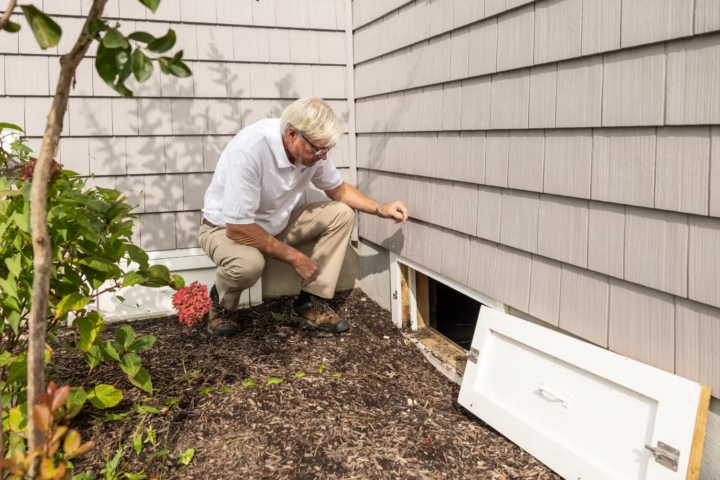
- Regularly inspect your home: At least twice a year, check under sinks, around toilets, and near major appliances for any signs of moisture or drips.
- Check appliance hoses: Inspect the hoses on your washing machine, dishwasher, and refrigerator ice maker for bulges, cracks, or brittleness. Replace them every three to five years.
- Know your main water shut-off: Make sure everyone in your household knows where the main water shut-off valve is located and how to use it in an emergency.
- Consider a smart water detector: These small sensors can be placed in leak-prone areas like basements or laundry rooms. They will send an alert to your phone at the first sign of moisture, allowing you to act fast.
A little vigilance goes a long way. Being proactive about maintenance is far less stressful and expensive than dealing with the aftermath of a major hidden leak.
Water damage is a serious threat that extends far beyond a simple puddle on the floor. Understanding the hidden sources and taking preventative measures helps you protect your home’s structure and your family’s well-being from the silent destruction of moisture.