The following contribution is from another author.
Rot, the process of organic material decaying, is bad news for your property. This is because it can spread without you knowing, and endanger the value, structure, and livability of your home. The good news is that you can do plenty to prevent rot from taking over your home. Just keep reading to find out more.
All about rot
The causes of rot
Before we look at how to prevent rot, we need to look at what causes it. Rot is actually caused by fungi that feed and digest on the surface on which they have landed. In essence, rot is organic material decaying. The progress of rot is often sped up by the presence of moisture and high temperatures as well.
What this means is that when water is trapped on many materials or surfaces, rot can occur. Examples of this include materials left in shady spots which do not dry out quickly, and any areas where standing water is present. Wood is especially vulnerable to rot because timber tends to be porous and soak up moisture.
Different types of rot
Most people think of wet rot first, but there are several different types that are important to be aware of. Wet rot is the type that is present where there’s a lot of moisture. It especially occurs where timbers are soaked over time, such as a pier or the bottom of a boat. Dry rot, on the other hand, can spread without the presence of water.
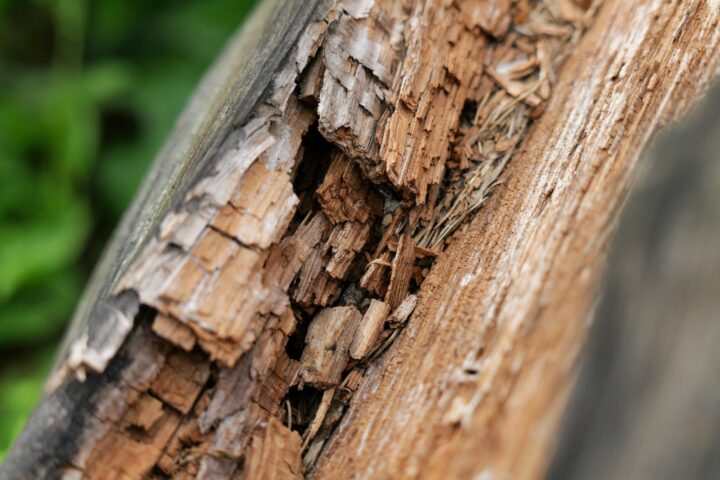
Then there is brown rot, which feeds on cellulose, meaning that any wood exposed to it crumbles, often into cube shapes. White rot digests the lignin in wood, which gives it a stringy, spongy experience.
There is also root rot to contend with, which begins underground and can slowly work its way up into the structure of your property. On the other hand, there is heat rot, which meaningfully attacks the center of trees, causing them to hollow out and weakening their structure.
The early warning signs of rot
Since rot can be so destructive to the structure and value of your property, you must know what the early signs are. In particular, look for soft spongy spots and discolouration in the form of dark patches. Musty smells can also indicate the presence of rot, as can peeling paint caused by the moisture pushing it away from the wooden surface. Last of all, keep an eye out for splitting timber in and around your home, which is an indication of more advanced permeation of rot.
Ways to prevent rot from damaging your home
Now you have a better idea about what rot is and the damage it can do to your property, let’s look at the ways you can prevent it in your home.
Keeping your gutters clear
The first and one of the most effective ways to prevent rot from damaging your home is to keep your gutters clear. This is crucial because blocked gutters cause water to overflow and stream down your walls and fascia boards. Unfortunately, if your walls or fascia are made from wood, this constant stream of water can encourage the fungus that causes rot to develop, sometimes within months.
What this means is that it’s very important you make sure that your gutters stay clean and debris-free. You can do this task yourself as long as you have ladders high enough to reach all your gutters. Although many people prefer to work with a reliable gutter company for this job. This is because a professional company will have all the specialist equipment to do the job efficiently and safely. It also makes sense to have gutter guards fitted, as these will help minimise the build-up of leaves and debris all year round.
Making sure any repairs that your guttering needs are done quickly is also hugely important. This is because rot does not need a long time to develop, and preventing the buildup of excess moisture will reduce the risk of this happening.
Improving home drainage
Another effective way you can reduce the risk of rot damaging your home is to improve your property’s drainage. It’s possible to do this by making changes to your drainage system, including putting in French Drains, which allow water to drain away underground and prevent surface water from building up.
Ensuring that the ground surrounding your foundations slopes away. This helps water to drain and not pool as well. You can even extend your guttering downspouts so any excess water is released further away from your walls and foundations, better protecting them.
Seal and treat exposed wood
Sealing and treating any exposed wood that you have also makes a lot of sense if you want to minimise any rotting. Applying these treatments in the right way is crucial, so be sure to coat areas such as the end grain thoroughly, as well as sand all wood before applying any sealant.
You should also seal wood every few years to ensure that a sound barrier against moisture and fungus exists. You can even treat timber with chemicals like borate to kill the fungus that causes rot.
Make sure your roof is ventilated
An area in which many homeowners fall down in rot prevention is roof ventilation. It’s crucial because without sufficient airflow, heat will get trapped in the food area, leading to condensation and rot. That is why making sure you have proper vents and that you inspect them regularly to ensure they stay clear is a must if preventing rot is a priority.
Refresh your exterior paint regularly
Last of all, if you want to minimise the risk of your property developing rot, refreshing the exterior of your home regularly is a must. What that means is regular exterior paint jobs, as well as replacing cladding when needed. By doing this, you will not only catch and fill any cracks before they become a moisture risk, but you can also protect the materials underneath the paint from moisture as well.