The following contribution is from another author.
Keeping a house clean used to mean constantly staying on top of chores before they spiraled out of control. Vacuuming. Dusting. Scrubbing. Taking the bins out. Then doing it all over again a few days later. But modern home technology is quietly changing that routine in a big way.
The real secret isn’t buying flashy gadgets for the sake of it. It’s using smart systems that handle tiny maintenance tasks automatically before mess and clutter ever build up. That’s what makes a home feel consistently tidy without spending every weekend catching up on chores.
The hidden tech that quietly fights dust all day
Dust is relentless and difficult to tame. No matter how often people wipe surfaces down, it somehow reappears almost immediately. That’s why some of the smartest cleaning technology now focuses less on cleaning visible dirt and more on stopping particles from settling in the first place.
Modern air purifiers have become surprisingly intelligent. Many newer models use built-in sensors and auto-modes that detect spikes in airborne dust, pollen, and allergens automatically. Instead of running constantly at full power, they quietly increase filtration only when needed.
The difference becomes noticeable fast, especially when cleaning your living room. Furniture stays cleaner longer because less dust ever reaches the surfaces in the first place.
Smart thermostats also help more than people realize. Some systems now track HVAC airflow and remind homeowners exactly when furnace or AC filters need replacing, preventing clogged filters from circulating extra dust around the house. Small automation. Big difference.
Robot vacuums have become dramatically smarter
A few years ago, robot vacuums mostly bounced into walls repeatedly and got trapped under furniture. But that’s certainly not true anymore. Modern models use LiDAR mapping and AI-powered obstacle avoidance systems similar to the technology used in self-driving vehicles. That means they can navigate around cables, shoes, pet toys, and awkward furniture layouts far more efficiently than older versions ever could.
But honestly, the biggest upgrade isn’t the vacuum itself. It’s the dock. New self-cleaning stations automatically empty dust bins, wash mopping pads, and even heat-dry them afterward to stop unpleasant smells from developing. The result is a genuinely low-maintenance cleaning system instead of another gadget that constantly needs attention itself.
Even better, many homeowners now automate cleaning schedules using geofencing. The vacuum simply starts working automatically when everyone leaves the house and finishes before they return home. No noise. No interruptions. No effort.
Smart outdoor tech keeps gardens under control
Outdoor maintenance has quickly become one of the biggest areas for home automation. The modern robot lawn mower is a perfect example. Unlike traditional mowing where grass gets hacked down aggressively once a week, robot mowers trim tiny amounts daily. Those microscopic clippings break down naturally into the lawn, helping fertilize the soil over time.
The lawn stays consistently neat without the dramatic freshly cut look that quickly disappears after two days. Many newer models also use GPS mapping instead of buried boundary wires, making setup much cleaner and easier than older robotic systems. And honestly, not dragging a mower around the garden every weekend feels pretty great. Nobody likes how loud they get, and they’re also a pain to maintain and store properly.
The kitchen and bathroom are becoming easier to sanitize
Some of the most useful cleaning technology now focuses on reducing physical effort rather than replacing humans entirely.
Electric sonic scrubbers are a good example. They basically work like oversized electric toothbrushes for tile grout, ovens, sinks, and showers. Instead of exhausting manual scrubbing, rotating heads handle most of the hard work automatically. Bathrooms especially benefit from this kind of technology because deep cleaning becomes dramatically less physically draining. So if you find yourself hating the idea of cleaning your bathroom, turn it into a fun and dopamine-inducing activity with the right power tool.
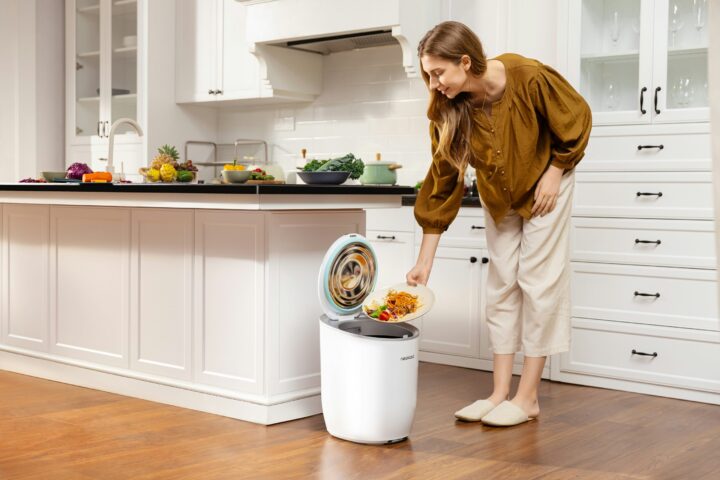
Then there’s the rise of the smart waste bin. At first glance, smart bins sound extremely unnecessary for most households. But then again, so does most of the tech that we buy and until we try one our for ourselves. Motion sensors open the lid automatically, certain models seal full bags themselves, and some even dispense fresh liners automatically afterward.
These are things that end up saving you a couple of minutes each day, but that really adds up when you think about it. It makes things weirdly luxurious, but also incredibly practical. Perhaps in the future we’ll have actual cleaning robots that walk around and do everything for us. But for now, having some useful and practical handheld tools is a more practical way to speed things up when we have to clean.
Automation matters more than the gadgets themselves
The biggest cleaning secret isn’t actually a single device. It’s automation. The most effective smart homes remove mental clutter as much as physical clutter. Instead of constantly remembering tasks manually, routines handle them automatically in the background.
Lights can flash a certain colour the night before rubbish collection day. Voice assistants can activate cleaning mode scenes that brighten lights, pause entertainment systems, and trigger cleaning devices simultaneously. Simple systems like this reduce the constant mental effort of managing a household.
And that’s the part many people underestimate. A tidy house feels less stressful partly because fewer unfinished tasks are sitting in the back of the mind all day. So if you find yourself forgetting daily or weekly maintenance tasks, try out some automated reminders to help you stay motivated and on top of things.
Smart homes work best when they remove friction
Not every cleaning gadget is worth buying. Some are expensive novelties that create more hassle than convenience. But the best smart home technology solves genuine daily frustrations quietly and consistently. That’s what makes the difference.
Less dust settling everywhere. Fewer chores piling up. Cleaner floors without thinking about them. Outdoor spaces that stay maintained automatically. Small systems handling repetitive tasks in the background. Piece by piece, the house starts taking care of itself a little more each day. That’s probably the real goal of smart home technology in the first place.