The following contribution is from another author.
If you’re always fighting sneezes, itchy eyes, or a stuffy nose right in your own home, you know that the air inside isn’t always as clean as it looks. For folks with allergies and asthma, everyday dust and pet dander can turn a comfy spot into an irritation zone.
The good news is, a smart cleaning plan can really cut down on these triggers and help you breathe easier. It’s not just about cleaning more, it’s about cleaning smarter.
Declutter and Dust from Top to Bottom
Dust and allergens land on pretty much every surface. So, the first step is to cut down on the places they can settle. Keeping things simple can really help if you have allergies. Fewer little trinkets and decorations mean less surface area for dust to gather and less time you have to spend cleaning.
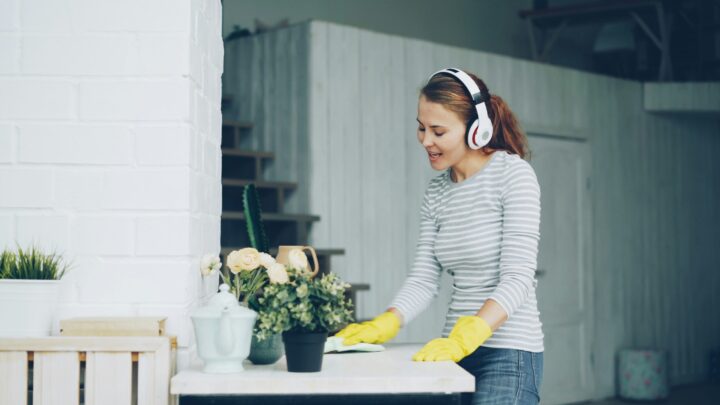
When you do dust, always start at the top and work your way down. Hit the ceiling fans, light fixtures, and the tops of shelves and doorframes first. This way, you knock the dust downwards, where your vacuum can grab it later. You won’t be sending it flying back onto spots you just cleaned. Use a damp cloth or a microfiber duster, because these actually trap particles instead of just pushing them around. This small change makes a huge difference.
Clear the Air of Invisible Irritants
Even after you’ve wiped everything down, millions of tiny particles still float in the air. We’re talking dust mites, pet dander, pollen tracked in from outside, and other tiny irritants. They can hang around for hours, just waiting to be breathed in. This is where managing your air quality becomes super important.
A vacuum with a high-efficiency particulate air (HEPA) filter can catch a lot of these particles from your carpets and floors. For the air itself, think about getting some good air purifiers for dust to constantly filter and move clean air through your home. Put them in bedrooms and main living areas to create cleaner air zones where you spend most of your time.
Wash Away Allergens in Bedding and Fabrics
Your cozy bed can be a major hot spot for dust mites, which are one of the most common indoor allergy triggers. These tiny critters love the warm, humid conditions of mattresses, pillows, and bedding. To keep them in check, wash all your bedding, including sheets, pillowcases, and blankets, in hot water (at least 130°F) once a week.
For things you can’t wash hot, like some comforters or your kids’ favorite stuffed animals, a 15-20 minute tumble in a hot dryer can also kill dust mites. Using allergen-proof covers for your mattress and pillows adds an extra layer of protection, stopping dust mites from moving in.
Banish Bathroom and Kitchen Mold
Mold is another big trigger for both allergies and asthma, and it just loves damp, humid places. Really pay attention to your bathrooms, kitchen, and any other spots that tend to get moist. Make sure you run the exhaust fan during and after showers to get rid of steam.
Regularly clean your shower, tub, and sinks with something that kills mold, and wipe down surfaces so moisture doesn’t just sit there. Check under sinks for any slow leaks that could be creating a hidden mold breeding ground.
Rethink Your Cleaning Arsenal
Sometimes, the cleaning products you use can actually make allergy symptoms worse because of harsh chemicals and strong smells. Look for cleaning products that are fragrance-free and “green,” or just make your own simple solutions with vinegar and water. When it comes to vacuuming, a model with a HEPA filter is a must-have. It traps tiny particles like pollen and pet dander that regular vacuums might just blow back into the air. Following a few key allergy cleaning tips, like wearing a mask when you’re doing heavy cleaning, can also keep you from breathing in the very dust you’re trying to get rid of.
Making a few tweaks to your cleaning routine helps you create a healthier, more comfortable home. It’s all about building consistent habits that keep allergens away all year long.