The following contribution is from another author.
Older electrical panels often struggle with the combined load of connected appliances, climate control equipment and smart home devices. Individual gadgets may use little power, but the systems supporting them can add up quickly. A panel designed for a simpler household may have limited breaker space, aging components or insufficient service capacity.
Before installing more connected technology, take a close look at the electrical infrastructure behind it.
The Modern Demand on Breaker Boxes
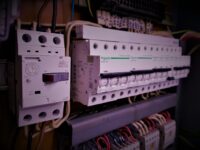
Your breaker box distributes electricity across the home and disconnects a circuit when the current reaches an unsafe level. This home electrical panel guide explains the panel’s components and its role in home energy use.
Smart speakers and sensors draw modest amounts of power. Larger connected equipment, including heat pumps, induction ranges, home offices and vehicle charging systems, creates much greater demand. Smart technology may also require extra outlets, network equipment and always-on hubs. Even when total capacity is adequate, an older panel might lack open spaces for new circuits. Check its rated amperage and available breaker positions before planning major upgrades.
Signs Your Service Needs More Amperage
Frequent breaker trips deserve attention, especially when they occur during normal household routines. Other warning signs include lights dimming as appliances start, buzzing near the panel, warm outlets or a persistent need to move devices between circuits. Scorching, burning odors or crackling call for immediate professional help.
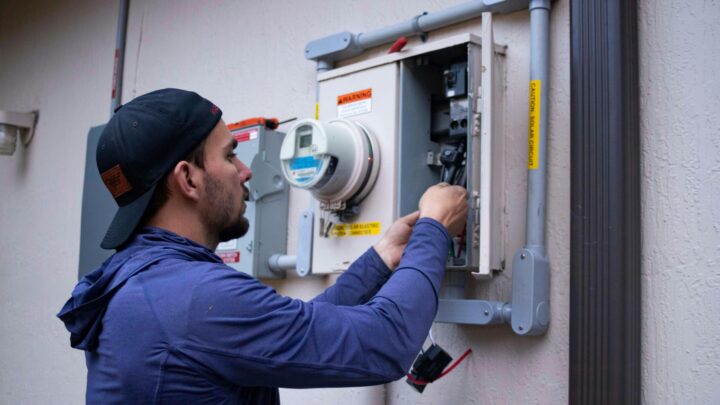
A 100-amp panel upgrade may be considered when a home’s current service can’t support planned electrical loads, though the correct capacity depends on a formal load calculation. If you’re in Shellharbour, an electrician can inspect residential wiring and panel capacity or respond to an urgent fault. Don’t remove the panel cover yourself since live components may remain energized even when the main switch is off.
Why a Dedicated Circuit Matters
A dedicated circuit supplies one appliance or system without sharing capacity with unrelated outlets. Equipment that draws substantial or sustained current may require one under applicable codes and manufacturer instructions. Examples can include an induction cooktop, heat pump, charging equipment or a rack containing networking and home automation hardware.
Dedicated circuits reduce nuisance trips and keep one overloaded branch from shutting down several connected systems at once. That separation can be especially useful when smart locks, cameras and internet equipment depend on continuous power. Ask the installer to label every new breaker clearly. Accurate labels make troubleshooting faster and help you identify which connected devices will lose power during maintenance or an outage.
When to Call a Certified Electrician
Arrange an inspection before adding a high-load appliance, renovating a kitchen or installing equipment that requires a new circuit. You should also call when breakers trip repeatedly, the panel feels hot or you find signs of damaged insulation. A qualified professional can calculate the expected load, inspect grounding and bonding and determine whether the existing enclosure accepts approved replacement breakers.
An assessment may reveal that you need only a new circuit or a small wiring correction. In other cases, the panel or incoming service may require an upgrade. This electrical system capacity guide can help you organize the questions to ask. Request written details covering permits, inspections, equipment ratings and any planned power interruption.
Preparing Your System for What Comes Next
Start with a simple inventory of current equipment and upgrades you expect within the next five years. Include heating and cooling changes, workshop tools, kitchen appliances, backup power equipment and vehicle charging. Give that list to the professional performing the load calculation so the recommendation accounts for realistic future use.
Leave room in the panel for later circuits when practical, and update the circuit directory after every electrical change. Surge protection can also help shield sensitive smart hubs and controllers, though it won’t correct inadequate wiring or service capacity. Keep inspection records and panel specifications with your home documents. The most useful smart home upgrade may be the clearly labeled, properly sized electrical system quietly supporting everything behind the walls.