
The following contribution is from another author.
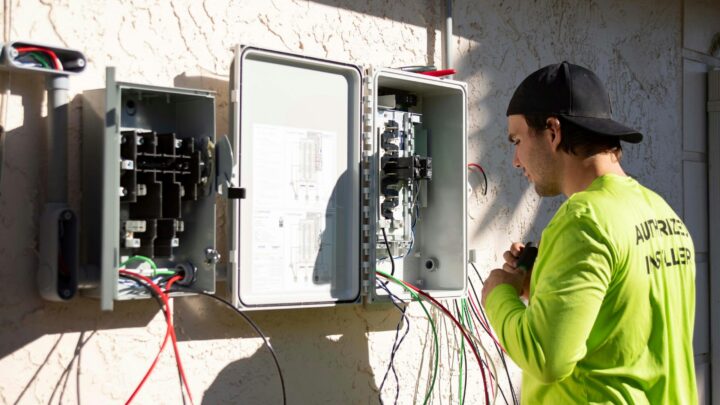
Most of us don’t really think about our home’s electrical panel until something goes wrong. It’s usually tucked away in a basement, garage, or utility closet, a gray metal box that quietly powers everything from our coffee makers to our smart home hubs. But as our homes get more and more electrified, that humble panel can quickly get overwhelmed.
Knowing when to upgrade is super important to keep your home safe, working well, and ready for whatever comes next. This forward thinking even applies to how you light up your home, so it’s good to understand the lighting setup that best fits what you need.
An old or too-small panel isn’t just annoying; it can actually be pretty dangerous. If you’re wondering if your home’s electrical system can handle everything you throw at it, here are the main signs and things to think about that point to needing an upgrade.
Why Your Electrical Panel Matters More Than Ever
Back in the day, homes didn’t need much electricity: just lights, a fridge, and a few outlets. Today, we demand a lot more. We’ve got big TVs, powerful computers, tons of kitchen gadgets, and maybe even a charger for an electric car.
The electrical panel, also called a breaker box, is like the heart of this whole system. It takes the main power coming into your home and splits it into smaller circuits. Each circuit has a breaker that trips if it draws too much power, stopping things from overheating and possibly catching fire. As we add more power-hungry devices, the panel has to work harder, and older systems just weren’t built for this kind of load.
Telltale Signs Your Panel is Outdated
Your home will often drop hints that its electrical panel is struggling to keep up. If you ignore these warnings, you could end up with bigger problems later on. So, keep an eye out for these common signs:
- Breakers tripping all the time: It’s normal for a breaker to trip once in a while. But if you’re constantly resetting them after turning on the microwave or a hair dryer, it means your circuits are overloaded.
- Lights flickering or dimming: Do your lights get dim when the air conditioner kicks on? This could mean a big appliance is pulling so much power that it’s straining the whole system.
- You still have fuses: If your panel uses old-fashioned screw-in fuses instead of modern toggle-switch breakers, it’s definitely time for an upgrade. Fuse boxes are super old and don’t have the safety features of today’s panels.
- A burning smell or scorch marks: Any burning smell or visible scorch marks around the panel are huge red flags. If you can do it safely, turn off the main breaker and call a licensed electrician right away.
If you notice any of these signs, it’s a good idea to start looking into what an upgrade involves. While the cost to upgrade an electrical panel to 200 amps can vary, the investment can improve your home’s safety, reliability, and ability to handle modern electrical demands.
Planning for the Future: EVs, Solar, and Smart Homes
Even if your current panel is doing fine today, it’s smart to think about tomorrow. The “home of the future” is all-electric. Are you planning to get an electric car? An EV charger uses a lot of power, and most older panels can’t handle it without an upgrade.
Thinking about putting in solar panels or a home battery system? These also connect to your panel. Upgrading your panel now means your home will be ready for these cool new things without needing major electrical work later. The benefits of a modern panel do more than just add capacity; they get your home ready for a greener, more high-tech lifestyle.
Understanding Amperage: 100 vs. 200 Amps
When you look into panel upgrades, you’ll hear a lot about amperage. Amperage (or “amps”) tells you the total amount of electricity your home can use at once. For decades, 100-amp service was standard for most homes. While that was fine for basic needs, it can easily get maxed out in a modern house.
Today, 200-amp service is the new standard for most new homes and big renovations. This extra capacity gives you plenty of power for a typical family’s needs, including modern appliances, central air conditioning, and even some smart home gadgets.
For really big homes or those with high-demand features like electric heat and multiple EV chargers, panels with 400 amps are also available. An electrician can help you figure out how much power you actually need to determine the right size for your home, making sure it follows the National Electrical Code.
An upgrade isn’t just swapping out a box. It often means replacing the service drop (the wires from the utility pole), the meter box, and the thick wiring that connects everything. This is a job that should always be done by a qualified and licensed electrician to make sure everything is safe and up to code.
Ultimately, your electrical panel is the foundation of your home’s power system. Making sure it’s modern, safe, and the right size isn’t just an upgrade; it’s a crucial step in making your home truly ready for the future.







Thank you so much for sharing such great information with us. Your website is fantastic. We are very impressed by the detail you have on your site. We have bookmarked this website. Keep it up and thank you again.