The following contribution is from another author.
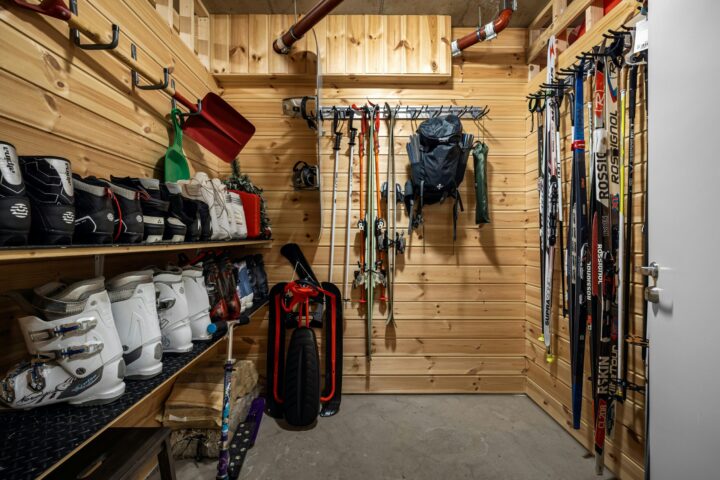
Investing in quality outdoor gear is the first step toward great adventures, but protecting adventure gear at home is just as important. From tents and sleeping bags to GPS units and drones, your equipment is vulnerable to damage from sun, moisture, and extreme temperatures. Proper care and storage are key to ensuring your gear is ready to go when you are, saving you from costly replacements and ensuring your safety outdoors.
The Role of Your Home’s Exterior
Your first line of defense against the elements begins right at home. The integrity of your house, especially your roof and siding, directly impacts the safety of anything stored inside. A small, unnoticed leak in the attic or garage can lead to catastrophic damage for your stowed camping gear, electronics, and other equipment. Water can cause mildew on fabrics, rust on metal parts, and irreparable harm to sensitive electronics. Before you even think about organizing your gear, take a look at its primary shelter. A reliable Roofing Company can assess your roof’s condition and address any potential issues, preventing a minor drip from turning into a major disaster for the valuable equipment you store below.
Shielding Your Camping Equipment
Tents, sleeping bags, and backpacks are the workhorses of any outdoor trip, and they often take the biggest beating. The most critical step in preserving them is ensuring they are completely clean and dry before storage. Packing away a damp tent is a guaranteed recipe for mildew and a funky smell that’s nearly impossible to remove. After a trip, set up your tent in a dry, shaded spot to air it out. Shake out any dirt and wipe it down. The same goes for sleeping bags; follow the manufacturer’s cleaning instructions and make sure they are bone dry. Storing them in large, breathable cotton or mesh sacks instead of their tight compression sacks helps maintain the loft and insulating power. Investing in quality weatherproof camping gear from the start also makes a significant difference in its longevity.
Storing Your Adventure Tech Safely
Modern adventure often involves a good bit of technology. GPS devices, drones, portable power stations, and action cameras are sensitive to both impact and environmental conditions. Extreme heat or cold can permanently damage batteries and internal components. Never store these items in a car, an uninsulated shed, or a garage that experiences wide temperature swings. A cool, dry closet or a dedicated cabinet inside your home is the best place for them. For long-term storage, it’s often recommended to store batteries at around a 50% charge to prolong their lifespan. Keep your tech in padded cases to protect against accidental drops and dust, and use silica gel packets inside storage containers to absorb any ambient moisture.
Routine Checks for Lasting Protection
Protecting your gear isn’t a one-time task; it’s an ongoing habit. A simple routine can make all the difference. After every trip, take the time to clean, inspect, and properly store each piece of equipment. Look for small tears in fabrics, failing seams, or cracks in plastic components that you can repair before they become bigger problems. It’s also wise to perform a seasonal check on all your stored gear. Once or twice a year, pull everything out of storage. This gives you a chance to air things out, check for any signs of pests or moisture damage, and make sure your storage area itself is still secure and dry. Developing a good system to care for your gear ensures it will last for many seasons of adventure.
Taking these steps helps turn gear maintenance from a chore into a simple, effective routine. By protecting your equipment at home, you ensure it will protect you when you’re out exploring.