The following contribution is from another author.
Are those power bills getting a bit much? You’re definitely not alone. Lots of Australian homeowners are looking for ways to get a handle on their energy costs and rely less on our sometimes-unpredictable power grid. Future-proofing your home isn’t just about cool gadgets; it’s about making your home tough and independent, starting with how you get your power. Building a more self-sufficient home is actually easier than you might think, and it can save you money and give you stability for years to come.
Why Seek Energy Independence?
People want energy independence for a few main reasons. A big one is saving money. When you only use grid power, you’re stuck with prices that jump around and spike during certain seasons. Making your own power helps protect your budget from those unexpected costs.
Besides saving cash, it also makes things more reliable. With wilder weather happening more often, the grid can be a bit shaky. Having your own power means you can keep the lights on, the fridge cold, and your devices charged up when there’s a local blackout. For many, energy independence is a strong selling point just for this peace of mind. It’s all about making your home safe and comfy for your family, no matter what’s going on outside.
Solar: Your First Step
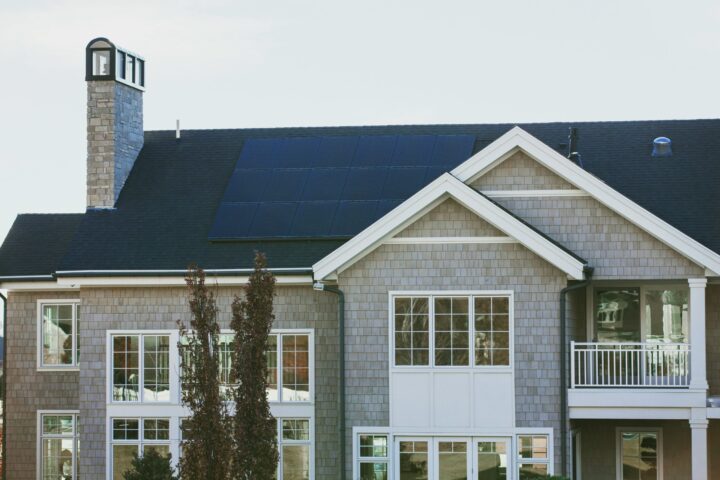
The easiest and most effective way to start making your home energy independent is by using the sun. Putting solar panels on your roof lets you make your own clean electricity during the day. This power can run your appliances, heat your water, and charge your gadgets, directly cutting down how much energy you need to buy from your electricity company.
Today’s solar systems are much better and more affordable than they used to be, making them a smart choice for the average Aussie home. A professionally designed system takes into account your roof’s orientation, available space, and household energy use to ensure it delivers reliable long-term performance. Even a small setup can really cut down your power bills and get you closer to being more self-sufficient.
The Role of Battery Storage
Solar panels are fantastic when the sun’s out, but what happens after dark or on a really cloudy afternoon? That’s where battery storage comes in. A home battery system is like a rechargeable energy bank for your house.
During the day, any extra electricity your panels make that you’re not using right away gets sent to the battery for storage. Then, in the evening or if the power goes out, your home can use that stored energy instead of pulling from the grid. Pairing panels with a battery is key to really becoming energy independent, letting you use your own solar power 24/7. In fact, there are clear advantages to pairing solar panels with battery storage systems. It changes your system from just helping with your power to potentially replacing it completely.
Maximising Your Solar Investment
Once you have panels and a battery, the next step is to use that energy as smartly as possible. This means thinking about how and when you use power. Simple changes, like running the dishwasher or washing machine in the middle of a sunny day, make sure you’re using the free electricity your panels are generating directly.
You can also make your home more energy-efficient to use less power overall. Switching to LED lights, picking appliances with high Energy Star ratings, and improving your home’s insulation all help. These small tweaks make sure that the valuable energy you generate and store goes further, making your home more energy independent and getting more out of your investment.
Beyond Just Panels
Real energy independence means looking at the whole picture. While solar is the main piece, other things help make your home truly future-proof. Think about upgrading your windows to double-glazing to keep heat in or out better, which means you use less energy for heating and cooling. A smart hot water system or a heat pump can also drastically cut down on one of the biggest energy costs in a home.
Looking even further ahead, electric vehicles (EVs) bring another cool possibility. With vehicle-to-grid (V2G) technology, your car’s battery could one day act as a second power source for your home, giving you a huge backup storage capacity. Thinking of your home as a complete energy system is the final step to securing your independence.
Taking charge of your home’s energy is a powerful way to get ready for what’s next. It gives you financial stability, makes your home more comfortable, and helps create a more sustainable world, one rooftop at a time.