The following contribution is from another author.
Generating your own power isn’t a far-off dream anymore; it’s a reality for adventurers and homeowners alike. Whether you’re out in the backcountry or chilling in the suburbs, solar technology has become much easier to access, more efficient, and way more affordable.
It’s totally changing how we think about using energy and being independent. From charging your phone on a remote trail to powering your whole house, the sun offers up clean, dependable electricity.
The Rise of Portable Solar Gear
It wasn’t that long ago that personal solar power meant big, clunky, not-very-good panels. But today, the market is packed with light, tough, and powerful options made for people on the go. If you’re backpacking or camping, foldable solar chargers can keep your GPS, headlamps, and smartphones juiced up, even miles from the nearest outlet. This tech is great for both safety and convenience, helping you stay connected and find your way. Lots of outdoor enthusiasts now consider portable solar for backpacking a standard part of their gear.
Got bigger energy needs? Maybe you’re an RV traveler or taking the family car camping. A quick look at a solar panel calculator can help you figure out the right portable power stations and larger, but still easy-to-move, solar panels. These can give you a full off-grid setup. They’re perfect for running small appliances, lights, and laptops, giving you all the comforts of home without the noise or fumes of a traditional generator.
Benefits of Solar for Homeowners
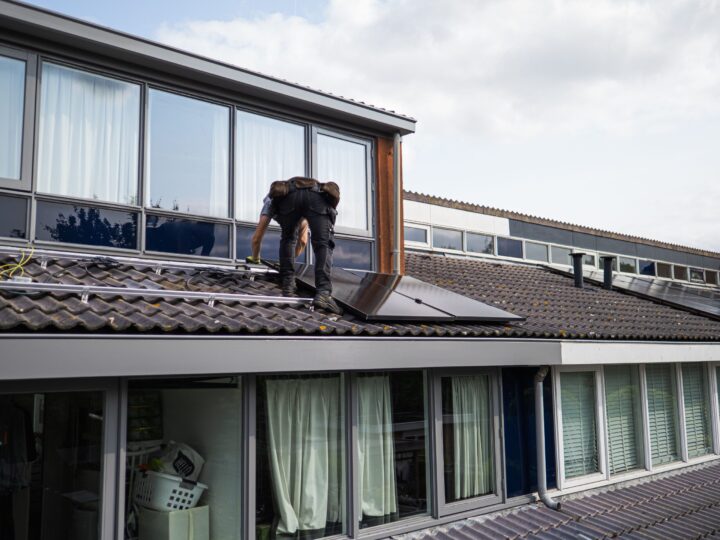
While portable solar gives you freedom on the move, putting solar panels on your house offers some serious long-term perks right at home. The most immediate benefit? A big drop in your monthly electricity bills. When you generate your own power, you rely less on the utility company, which protects you from rising energy costs. Over the years, those savings can really add up.
Besides saving money, installing solar panels can actually boost your home’s value. A house with a solar energy system is a pretty attractive feature for many buyers. Plus, you’re doing your part for the planet by powering your life with clean, renewable energy. And finally, if you add a battery storage system, solar makes your home more resilient. It means your lights stay on and essentials keep running even when the power goes out.
Estimating Your Home’s Solar Potential
Before you jump into a full installation, it’s smart to check if your home is a good fit for solar. A few things affect how much energy you can generate, such as which direction your roof faces, its angle, and whether anything shades it. South-facing roofs with not much blocking the sun (like trees or other buildings) usually work best. The amount of clear, unshaded roof space you have will also decide how big a system you can install.
These tools use satellite images and local weather info to give you a surprisingly accurate idea of your home’s solar potential, how big a system you might need, and how much you could save. This information helps you have a much more informed chat with solar installers.
Integrating Solar into a Smart Home
The real magic of a home solar system happens when it’s connected to your smart home. Modern solar inverters and monitoring systems can communicate with other smart devices, creating an automated, highly efficient energy management network. This lets you use energy more efficiently, based on how much solar power you’re generating at that moment.
For instance, you could set your smart water heater or EV charger to run mostly during the sunniest hours when your panels are generating free electricity. Smart thermostats can also adjust your home’s heating and cooling to match your solar output, further reducing how much grid power you use. With the right smart home energy management systems, your house can automatically optimize its power usage, helping you save the most money and reduce your environmental impact without you having to lift a finger.
Future-Proofing Your Energy Needs
Putting in a solar system is more than just a home improvement; it’s an investment in your energy future. As the world increasingly goes electric, with more people driving EVs and switching to electric heat pumps, household energy demand will only climb. A solar installation helps you meet this growing need with clean, self-generated power.
Adding a home battery system takes this a step further. Batteries store any extra solar energy your panels make during the day, so it’s ready for you to use at night or if the grid goes down. This creates a truly self-sufficient and resilient home, protecting you from blackouts and giving you total control over your power supply. This combo of solar generation and energy storage is the foundation of today’s energy-independent home.
Solar power has really come a long way from being a niche technology. Now, it’s a practical and powerful tool for everyday life. It gives you the freedom to explore off-grid while staying connected, and it offers homeowners a path to lower bills, energy independence, and a more sustainable future.








Great overview — the section on pairing rooftop solar with battery storage really resonated with me, since outage resilience is my main motivation for going solar. On the portable side, I have been impressed by how efficient foldable panels have become for car camping trips. I recently found a handy sizing resource at higsfield that helped me pick a portable setup for running lights and a laptop off-grid. Thanks for putting this guide together!
Nations of Sky
https://www.cairoaqar.com/orb-nations-of-sky/