
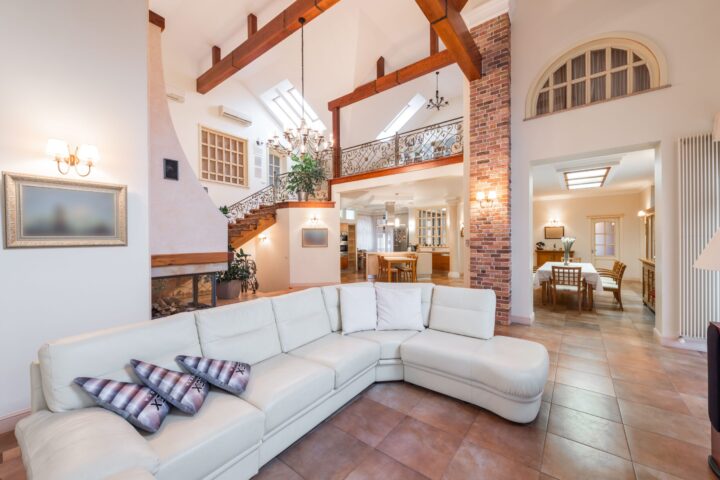
The following contribution is from another author.
Building your dream home from scratch? What an exciting adventure! It’s your chance to create a space that truly fits your life, your style, and all your future plans. But with a custom build comes a whole lot of decisions, especially about where your money should go.
The secret to a successful project is knowing exactly where to invest for lasting value and where you can save a little without cutting corners on quality. This guide will help you figure out your spending priorities so you can build a gorgeous home that’s built to last.
Invest in the Bones of the House
Before you even start dreaming about paint colors or light fixtures, the most important thing to invest in is your home’s bones and the folks building it. These are the things you really can’t easily change later. We’re talking about the foundation, the framing, the roof, and good quality windows. Imagine the headaches and expensive repairs a poorly built frame or a leaky roof would cause down the road!
That’s also why teaming up with experienced luxury home builders is a “splurge” that totally pays off. A great builder ensures everything is solid, keeps the project running smoothly, and helps you avoid costly mistakes. They’re basically laying the groundwork for everything else. Seriously, don’t skimp here; a well-built home is a safe and sturdy home.
Prioritize High-Traffic, High-Impact Areas
Kitchens and bathrooms are the real workhorses of any home, and they’re also huge selling points. Putting your money into these areas gives you a big return, both in how much you enjoy your home and its potential resale value. For the kitchen, focus your budget on durable, high-quality items you use every single day. That means custom cabinets that make the most of your space, tough countertops like quartz or natural stone, and reliable appliances.
While that trendy backsplash tile might be calling your name, it’s actually an easy place to save since it’s pretty simple to update later. Some designers even have a few key areas to splurge and save to help you get the most bang for your buck. The same idea applies to bathrooms: invest in quality plumbing fixtures and nice vanities, but feel free to be a bit more budget-friendly with mirrors and lighting.
Find Smart Savings in Finishes
You want your home to feel high-end, but not every single finish needs to be the absolute top-of-the-line. Paint, for example, is one of the cheapest ways to totally transform a room. A good-quality paint job looks amazing, and you don’t need the priciest brand to get a fantastic result.
Similarly, with flooring, maybe you splurge on hardwood in the main living areas but choose high-quality carpet for bedrooms or luxury vinyl tile for a basement or laundry room. Lighting is another spot for smart savings. You can find beautiful, stylish fixtures without that designer price tag. The trick is to mix and match, combining higher-end pieces with more affordable ones to create a balanced, sophisticated look that feels custom without emptying your wallet.
Future-Proof Your Home for Tomorrow
Building a home today means thinking about how you’ll live in it tomorrow. So, it’s a smart move to plan for technology and efficiency right from the start. Think about running conduit for future wiring, even if you don’t install all the systems right away. And investing in energy-efficient features like super insulation, high-performance windows, and an efficient HVAC system will save you money on utility bills for years to come. These upgrades also make your home way more comfortable and better for the environment. A home that’s ready for the future will always be more valuable.
Building a high-end home is all about making smart, deliberate choices with your budget, especially if you’re considering a future-proof home. By focusing your spending on the structure and those high-use areas, and then being clever with your finishes, you’ll create a beautiful, functional, and lasting space. Plan well, and you’ll build a home you’ll absolutely adore for years to come.







It’s fascinating how the article describes using tunable LED systems to mimic natural light cycles for better sleep. I find these kind of spatial design details really spark ideas for my own visual projects at Country Draw, where I test map memory through drawing.
The practical tip about using an outdoor rug to visually define the space is such a game-changer that I’m planning to steal for my own deck. I always find this kind of spatial planning refreshing when stepping away from the video effects work I do on AI Kissing Generator.
The concept of tunable LED systems that shift from cool morning tones to warm evening light to support circadian rhythms is fascinating. It makes me think about how these intelligent environmental cues could inspire new visual transitions for my own projects. While I spend most of my time comparing tools on AI Video Generator Free, I love picking up creative design ideas like these to apply to my daily work.
Reading about the 3-5-7 rule for visual harmony really sparked some ideas for my own experiments on PSL Rating, where I usually analyze facial symmetry and bone structure ratios instead of garden layouts.
I loved the practical tip about using an outdoor rug to visually define the space; it really makes the layout feel more grounded. It’s a nice change of pace from the precision work I do on Instagram Transcript, where I’m focused on converting Instagram Reels into exact text transcripts for subtitle editing.