The following contribution is from another author.
A stuffy, dark room can feel draining, but a space full of natural light and a gentle breeze instantly lifts your spirits. Making your home feel like it breathes isn’t just about how it looks; it’s about designing for comfort, well-being, and saving energy. When you make smart choices about your home’s layout, windows, and how air moves through it, you can turn your house into a bright, airy sanctuary that works with nature, not against it.
Embracing Natural Ventilation
Natural ventilation is all about using nature’s power, like wind and different temperatures, to move fresh air through your home. It’s an old trick that smart architects still use today. One of the best ways to do this is called cross-ventilation. This means you create a clear path for air to flow from one side of your house to the other. Just imagine opening a window on the breezy side of your home and another on the opposite side to let the air flow right through.
Another clever method is the ‘stack effect’. Warm air naturally rises, so if you have high windows (like clerestory windows) or vents, they let stale, hot air escape. This then pulls cooler, fresh air in from lower openings. Designing homes for better airflow not only makes your space more comfortable but can also really cut down on your energy bills because you won’t need as much mechanical cooling.
Strategic Window and Door Placement
Where you put your windows and doors is super important for maximising natural light and ventilation. If you’re building or updating your home, think about which way it faces. In Australia, north-facing windows are great because they let in gentle, all-day sun in winter without the harsh heat you get from the afternoon sun in summer. West-facing windows, though, can turn rooms into ovens in the afternoon, so it’s best to keep them small or make sure they’re well-shaded.
Also, think about the usual breezes in your area and try to line up your openings to catch them. Big sliding or bi-fold doors are fantastic for completely opening up a living area to the outside, making it feel like there’s no barrier between inside and out. If you want more control over the airflow, louvre windows are a great choice because you can angle the blades to direct the breeze exactly where you want it.
When Natural Isn’t Enough
Let’s be real, natural ventilation can only do so much. On those still, scorching summer days when there’s no breeze at all, or when noise, dust, or security worries mean you can’t open windows, you need a reliable backup. Ceiling fans are a good first step, as they cool you down by moving air over your skin.
But for real relief during a heatwave, nothing beats a modern system. For those super-hot days when even fans aren’t enough, efficient air conditioning provides dependable cooling while helping to maintain a comfortable indoor temperature throughout your home. Choosing the right system for your space can also improve energy efficiency and year-round comfort. The trick is to pick an energy-efficient model that works well with your home’s passive design features. That way, you can stay comfortable without undoing all your hard work to save energy.
Interior Layouts for Breezy Comfort
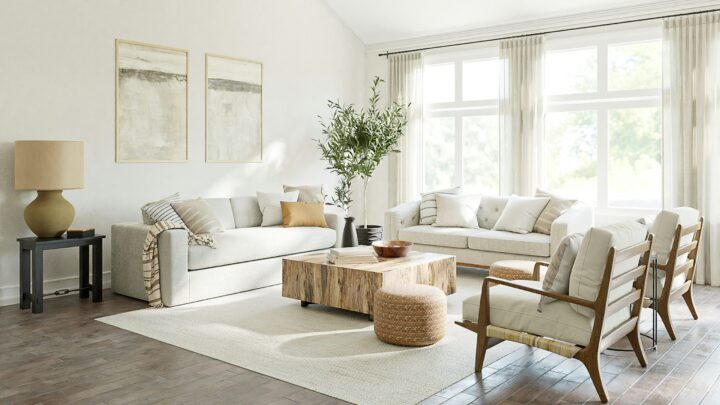
How you arrange your home’s interior plays a huge role in how air moves through it. Open-plan living is popular for a reason; fewer internal walls mean air and light can flow more easily. This makes a space feel much breezier and more connected than a bunch of small, closed-off rooms.
Be careful where you put your furniture. A big sofa pushed against a window or a tall bookshelf blocking a doorway can stop air from moving freely, like a dam. Instead, try to keep clear paths through your home. If you need to divide a space, think about using half-walls, open shelving units, or even internal screens that separate areas without completely sealing them off. Painting your walls and ceilings in light colours will also help bounce light around the room, making it feel brighter and more spacious.
A home designed with light and air in mind is simply a nicer place to be. By thoughtfully combining natural ventilation with smart design and good cooling options, you can create a comfortable and inviting atmosphere all year round.