The following contribution is from another author.
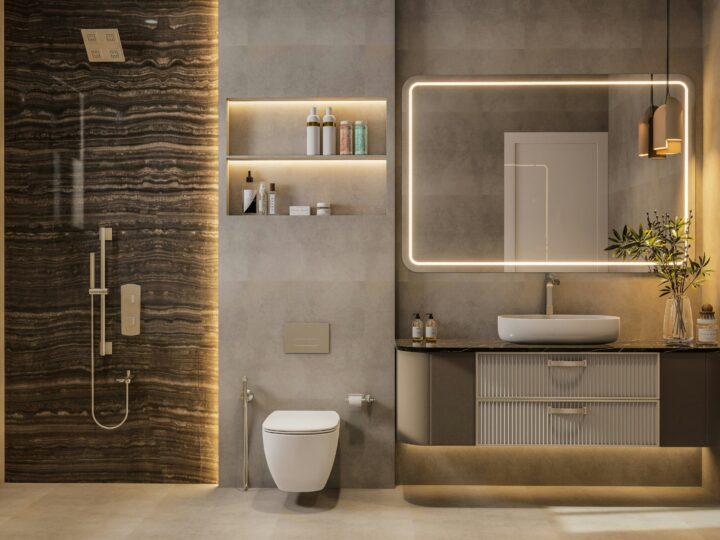
The modern bathroom is quickly becoming more than just a functional room; it’s transforming into a personalized retreat for relaxation and rejuvenation. Technology is at the heart of this evolution, turning everyday routines into seamless, luxurious experiences. From lighting that syncs with your body clock to showers that remember your perfect temperature, smart bathroom ideas are redefining what a bathroom can be.
Thoughtfully adding these features creates a space that not only makes life easier but also boosts your overall well-being. A well-designed smart bathroom anticipates your needs, offering comfort, efficiency, and a touch of futuristic elegance that makes every day feel a little more special.
Bringing Tech to Your Daily Routine
The idea of a “smart” bathroom used to conjure images of complex, futuristic gadgets. Today, it’s all about practical improvements that simplify your life. These upgrades are no longer just cool novelties; they’re becoming standard features in high-end bathroom designs. The trick is to integrate technology that feels intuitive and genuinely useful, not just add gadgets for the sake of it.
Imagine starting your day by stepping onto a warm floor, all thanks to app-controlled heated flooring. As you approach the vanity, an anti-fog smart mirror displays the time, weather, and your daily calendar. These interactive smart mirrors can even play music or stream the morning news, combining several devices into one sleek, functional surface. It’s a lot like learning how to blend smart lighting for a cohesive look throughout your home. Many design-build contractors now include these smart features as part of their remodeling work, understanding that a modern oasis is as much about clever design as it is about beautiful tile and fixtures. These professionals can help homeowners plan where technology, electrical connections, lighting, and smart fixtures should be incorporated during the renovation, rather than trying to add everything after the work is complete. The goal is to embed technology so seamlessly that it enhances your routine without complicating it, making your bathroom a truly efficient and enjoyable space.
Voice Control and Automated Lighting
Lighting and sound are powerful tools for setting a mood, and smart technology gives you incredible control over both. Voice assistants like Amazon Alexa and Google Assistant can be the central command for your bathroom, letting you manage everything without lifting a finger. Picture asking your voice assistant to start your “Morning” routine, which could slowly brighten the lights, turn on a curated playlist, and even start the shower at your preferred temperature.
Automated lighting goes way beyond simple on/off commands. With tunable LED systems, you can adjust the color temperature of your lights throughout the day.
- Morning: Bright, cool-toned light helps you feel awake and energized.
- Evening: Warm, dim light signals to your body that it’s time to wind down, promoting better sleep.
This kind of dynamic lighting supports your body’s natural circadian rhythm. The benefits of smart lighting extend to both wellness and convenience. Motion sensors can automatically turn on low-level pathway lighting for late-night trips to the bathroom, preventing harsh overhead lights from jarring you out of a sleepy state. This level of automation creates an environment that adapts to your needs in real time.
Connected Fixtures for Comfort
The fixtures themselves are getting smarter, bringing a new level of comfort and efficiency to the bathroom. These connected devices can be controlled via apps or voice commands, offering a personalized experience that was once only found in luxury spas.
A prime example is the smart toilet. These advanced fixtures often include features like a heated seat, a built-in bidet with adjustable water temperature and pressure, an automatic open/close lid, and even a warm air dryer. They offer superior hygiene and comfort, turning a basic necessity into a spa-like moment.
Digital showers take customization to the next level. You can program your exact preferred water temperature and flow rate, and the system will have it ready for you instantly. Some models let you create profiles for different users, so every family member can have their perfect shower with the touch of a button. Beyond comfort, smart fixtures can also help with sustainability and safety. For instance, smart water leak detectors can be placed near toilets, sinks, and tubs. If a leak is detected, they send an alert directly to your phone, potentially saving you from costly water damage.
Designing an Integrated Smart Space
A truly smart bathroom is one where all the components work together in harmony. This needs careful planning during the design phase, especially if you are doing a full remodel. Simply adding a few standalone gadgets won’t create the seamless experience you’re looking for. Instead, think about how each device will communicate with the others.
The foundation of an integrated space is a reliable network and a central smart home hub or platform. This could be Apple HomeKit, Google Home, or Amazon Alexa, which act as the brain of your system, allowing devices from different manufacturers to work together. When planning your layout, consider where electrical outlets, charging stations for devices, and waterproof speakers will go. It’s also smart to run extra conduit within the walls. This provides a channel for future wiring, making it much easier to add or upgrade technology down the road without having to tear open walls.
Creating “scenes” is where the magic really happens. A “Relax” scene, for example, could dim the lights to a warm glow, play a calming playlist, and start filling the tub to a preset temperature and depth. A “Good Morning” scene could turn on the lights, start the coffee maker in the kitchen via a smart plug, and bring your smart mirror to life with your daily schedule. This level of integration transforms the bathroom from a collection of smart devices into a responsive, intelligent environment.
Future-Proofing Your Home Tech
Technology evolves rapidly, and the last thing you want is for your brand-new smart bathroom to feel outdated in just a few years. Future-proofing your investment means making strategic choices that prioritize flexibility, compatibility, and longevity.
First, consider how well your smart devices will work together. New smart home standards are making it easier for devices from different manufacturers to communicate with one another. This can make it easier to connect different bathroom features and give you more flexibility when choosing technology for your home. Rather than focusing on having the newest gadgets, think about how the technology will work together and whether it will remain useful as your needs change.
Second, pick brands that have a proven track record of providing long-term software support and updates. A smart device is only as good as its software, and regular updates are essential for security, performance, and adding new features. Finally, as mentioned before, physical infrastructure matters. During a remodel, think about what you might need five or ten years from now. Running extra network cables or installing a larger electrical panel than you currently need can save you significant time and money on future upgrades. The smartest bathroom is one that’s ready for whatever comes next.
Ultimately, building a smart bathroom oasis is about more than just technology; it’s about creating a space that enhances your daily life. Focusing on practical benefits and seamless integration helps you design a modern retreat that is both luxurious and intelligently designed for the future.








Wow, what a fascinating read! I recently installed a smart shower that adjusts the temperature automatically—it’s made my mornings so much smoother. Love how you highlighted tech’s impact on our daily routines! Thanks for sharing this insight!
The tip about using the 3-5-7 rule to arrange decorative elements outside feels surprisingly natural, like taking that meticulous cataloging instinct I use daily on Name 100 Women and applying it to physical space. I usually spend my hours typing names of historical figures for memory challenges, so stepping back to plan a patio zone with balanced groupings was a refreshing change of pace.
That tip about applying the 3-5-7 rule to outdoor decor is a clever touch I hadn’t considered before. I usually stick to more rigid layout grids, so this makes me want to experiment with more organic, balanced groupings on my own projects. It’s a nice creative shift from the structured archetype matching I do over at Omegaverse Quiz, where everything is defined by specific personality categories rather than visual harmony.
The part about motion sensors using low-level pathway lighting to avoid jarring you awake is a brilliant detail that highlights how tech can support circadian rhythms. It got me thinking about different ways to layer visual experiences, which is the core idea behind my work on Tap and hold where I use hidden transparent PNGs to reveal vibrant colors only when you interact with them. It’s interesting how both smart home design and digital graphics rely on anticipating user needs to create seamless, personalized moments.