
The following contribution is from another author.
Creating a truly smart home goes beyond asking a speaker to play your favorite song. It’s about building an intelligent, responsive environment that not only adds convenience but also significantly reduces your energy consumption. Integrating a few key upgrades helps you lower your utility bills and create a more sustainable living space without sacrificing comfort. These technologies work behind the scenes, making smart decisions that save you money and lighten your home’s environmental footprint.
Beyond Basic Home Automation
The early days of home automation were about simple commands, like turning lights on and off. Today, the focus has shifted toward comprehensive electrical energy management. Smart plugs and power strips are a great starting point. They allow you to cut “vampire power” drawn by electronics in standby mode. You can set schedules to power down your entertainment center completely overnight or turn off a space heater automatically after an hour.
Energy monitoring systems take this a step further by giving you a real-time look at your home’s power usage. These devices connect to your electrical panel and send detailed data to an app on your phone. You can see exactly which appliances are the biggest energy hogs and adjust your habits accordingly. Many of these are simple smart home upgrades that offer a quick return on investment.
Optimizing Climate Control
Heating and cooling account for a huge portion of a typical home’s energy bill. A smart thermostat is one of the most effective upgrades you can make to tackle this expense. Unlike programmable thermostats that stick to a rigid schedule, smart thermostats learn your daily routines and preferences. They can automatically lower the temperature when you leave for work and start warming the house back up just before you arrive. Many models also use geofencing to detect when your smartphone leaves or enters a certain radius around your home, triggering “away” or “home” modes for maximum efficiency.
The Power of Smart Glass
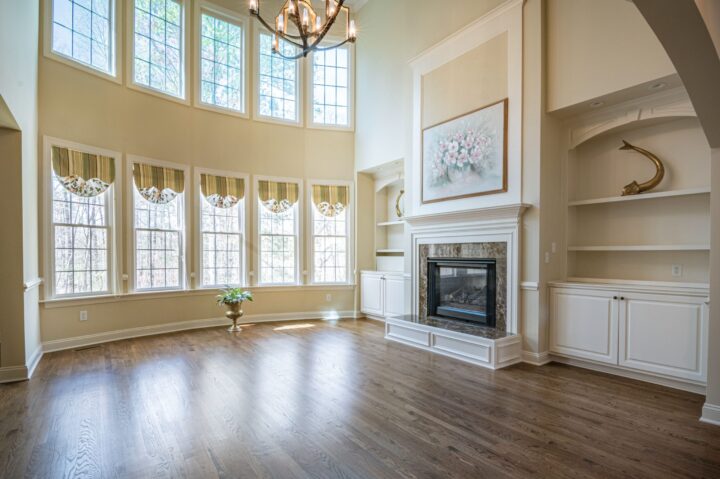
Your windows play a massive role in your home’s thermal efficiency. New technologies like electrochromic smart glass can change from clear to tinted on command, blocking solar heat during hot afternoons to reduce the strain on your air conditioner. While this technology is still a premium option, the principle behind it is accessible to everyone. Upgrading to modern, energy-efficient windows can have a similar effect by using advanced coatings and gas fills to insulate your home. For many homeowners, a professional home window replacement provides one of the most significant long-term energy savings, keeping your home cooler in the summer and warmer in the winter.
Integrated Security Solutions
Smart security systems can do more than just protect your home; they can also help you save energy. When you arm your system in “away” mode, it can signal other smart devices to enter an energy-saving state. This could mean automatically turning off all the lights, adjusting the thermostat, and powering down non-essential electronics. Motion sensors, a staple of home security, can be integrated with your smart lighting to ensure lights only turn on when a room is occupied and switch off after a period of inactivity. This synergy turns your security setup into an active part of your home’s energy management strategy.
Future-Proofing Your Living Space
As you add more smart devices, ensuring they can all communicate is key to building a truly efficient home. Look for products that support universal standards like Matter. This protocol allows devices from different manufacturers to work together seamlessly, so you aren’t locked into a single brand’s ecosystem. A future-proofed smart home is one where your lights, thermostat, security system, and appliances can all coordinate their actions. This creates an automated environment that responds intelligently to your needs while constantly optimizing for the lowest possible energy use.
Starting with just one or two of these upgrades can begin to make a noticeable difference in your monthly bills. As you continue to build out your smart home, you’ll find that efficiency and convenience often go hand in hand.