The following contribution is from another author.
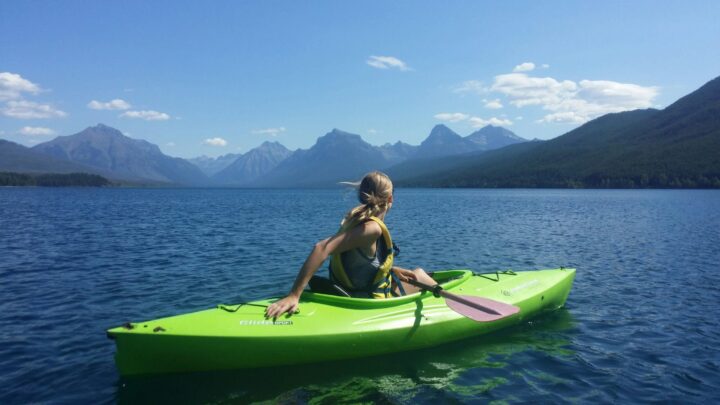
A fantastic day out on the water, whether you’re paddling a kayak down a river or just enjoying a picnic by the lake, often boils down to having the right gear. Our connection with water goes way beyond just having fun; it’s a huge part of our daily lives, flowing through our homes in complex systems we often don’t even think about. Taking a moment to consider how we handle water, from the bottle in our backpack to the pipes in our walls, helps us truly appreciate this essential resource. This guide will walk you through the must-have gear and know-how for outdoor water activities and for keeping things flowing smoothly back home.
Staying Hydrated on the Go
Before you even dream of getting *on* the water, you need to think about getting water *in* you. Dehydration can sneak up super fast when you’re active, especially under the sun. So, the very first piece of essential gear for any outdoor trip is a trusty water container. For quick outings, a simple insulated water bottle might do the trick. But for longer hikes or paddle trips, a hydration reservoir, or bladder, that fits in your backpack lets you sip easily, hands-free.
Knowing how to stay hydrated means more than just carrying water; it’s about drinking it regularly, even before you feel thirsty. A good rule of thumb is to aim for about half a liter of water per hour of moderate activity in mild weather. You’ll definitely need more if you’re working hard or it’s hot out. If your adventure spans multiple days or takes you into the wilderness, a water filter or purification system is an absolute must-have. These gadgets get rid of bacteria, protozoa, and other nasties from natural water sources, making them safe to drink. You can find everything from lightweight squeeze filters and gravity systems to UV purifiers. Keeping yourself hydrated on outdoor adventures is the foundation of staying safe and having a good time, so really think through your water plan.
Gear for Water Sports
Once you’ve got your hydration sorted, you can move on to the fun stuff. The exact gear you’ll need depends on what you’re doing, but some items are important no matter what. A properly fitting Personal Flotation Device (PFD), or life jacket, is the most crucial safety item for any water activity. Modern PFDs are designed to be comfy and let you move freely, so there’s really no excuse not to wear one.
Besides a PFD, you’ll want a way to keep your important bits from getting soaked. A dry bag is perfect for protecting your phone, keys, and an extra layer of clothes. They come in all sorts of sizes, from tiny pouches for electronics to big bags that can hold a whole weekend’s worth of camping gear. When it comes to clothes, think layers and pick materials that handle getting wet well. Synthetic fabrics like polyester and nylon are fantastic because they dry quickly and pull moisture away from your skin. Steer clear of cotton; it soaks up water, gets heavy, and can make you dangerously cold. A good pair of water shoes or sandals will keep your feet safe from sharp rocks and give you grip on slippery spots. Getting the best water gear for your specific sport will make a huge difference in how comfortable and safe you are.
Understanding Water Flow at Home
The same ideas about flow and management that apply to a river also apply to your home’s water systems. Water comes into your house through a main supply line and then goes to your faucets, toilets, and appliances. After you use it, it leaves through a network of drain pipes. When this system is working right, you hardly notice it. But when the flow gets messed up, it can completely stop your daily routine.
A slow drain in a sink or shower is often the first hint of trouble. This usually means a partial blockage is starting to build up in the pipe. Common culprits include hair, soap scum, food bits, and grease. If you ignore these partial blockages, they can turn into full clogs, causing water to back up and possibly overflow. Knowing how water moves through your home helps you figure out problems. For instance, if only one sink is draining slowly, the issue is probably in that specific fixture’s trap or drain line. If several drains are slow, the problem might be further down in your home’s main sewer line. When simple fixes don’t work, professional drain cleaning can get things flowing properly again and prevent bigger headaches.
Keeping Your Systems Clear
Keeping your pipes clear is all about being proactive. You can avoid many common clogs with a few simple habits. In the kitchen, never pour grease or oil down the sink. As it cools, it hardens and creates a sticky trap for other debris. Instead, pour used grease into a disposable container and toss it in the trash. Use a mesh strainer in your kitchen sink to catch food scraps before they head down the drain.
In the bathroom, hair is the number one enemy of clear drains. A simple hair catcher placed over the shower or tub drain can stop most clogs. It’s also smart to be careful about what you flush. The only things that should go down a toilet are human waste and toilet paper. “Flushable” wipes, paper towels, and feminine hygiene products don’t break down properly and are a major cause of big sewer line blockages. For small clogs, you can try a plunger or a simple drain snake. However, be wary of chemical drain cleaners. They can be harsh on your pipes and often don’t work on tough clogs. Regular maintenance is the best way to keep water flowing freely throughout your home.
Managing Water at Camp
The way you think about managing water systems at home actually translates really well to the outdoors, especially when you’re camping. Setting up a functional camp kitchen means thinking carefully about water. You’ll need a system for clean water for drinking and cooking, and a separate system for dealing with used “greywater” from washing dishes. A common setup involves two collapsible water jugs or buckets: one for clean water and one for collecting dirty water.
When you’re washing dishes, use just a tiny bit of biodegradable soap and scrape all food bits into a trash bag before washing. This keeps the amount of food particles in your greywater to a minimum. The most important rule for managing water at camp is to follow Leave No Trace principles. This means you should never dump greywater directly into or near a lake, river, or stream. Instead, carry it at least 200 feet away from any water source and scatter it widely over the ground. This lets the soil naturally filter the water. This responsible approach to water management protects the natural environment for future visitors and makes sure our favorite outdoor spots stay beautiful.
Thinking about water as a complete system, from the wilderness to your home and back again, helps us appreciate this vital resource even more. With the right gear and good habits, it’s easy to enjoy it safely and sustainably, no matter where you are.







I appreciate the emphasis on having the right gear for different water activities. It’s so true that the right equipment can make all the difference between a fun day and a stressful one. For kayaking, it’s essential to consider things like life jackets and proper paddles to ensure safety and enjoyment. I often check local weather updates before heading out; they really help plan for a smooth experience.
I appreciate how you mentioned the importance of having the right gear for a successful day on the water. It really can make all the difference, especially when you factor in safety and comfort. I often refer to a helpful free resource I use for this.
I found your insights about the necessity of comfort and safety gear while engaging in activities like kayaking particularly valuable. It’s so true that when you’re out on the water, having the right apparel can enhance the entire experience. I often refer to a helpful free resource I use for this, which provides excellent tips on choosing appropriate outdoor gear.
I really enjoyed your insights on how essential gear can enhance our outdoor water experiences. It’s so true that the right equipment not only boosts enjoyment but also keeps us safe while we’re out there. Finding gear that fits our specific needs makes all the difference. I frequently check a handy guide I found for this.
I really appreciated your discussion on how essential gear can significantly impact our enjoyment and safety during outdoor water activities. The emphasis on both convenience and protection resonates with my experiences. When I’m planning a day on the water, I always think about what I need to ensure we have a smooth time. I regularly consult a useful guide I access for this.
I found your discussion on the significance of having the right gear for water activities particularly insightful. It’s clear that comfort and safety should always be top priorities when we’re enjoying time on the water. I appreciate the emphasis you placed on how different activities may require different types of gear to maximize enjoyment. I often rely on a helpful free resource I use for this—my local outdoor community group.
I really found your point about the connection we have with water to be inspiring. It’s fascinating how the right gear not only enhances our fun but also deepens that connection, ensuring we enjoy our time out safely and comfortably. I often refer to a helpful free resource I use for this when preparing for my trips.
Your discussion on the significance of comfort and safety gear really resonated with me. It’s amazing how much more enjoyable a day on the water can be when you’re well-prepared and protected. I often find that tailored gear enhances not just the experience but also my confidence while engaging in various activities. I frequently refer to a helpful free resource I use for this when planning my outings.
Your discussion on how having the right gear can really enhance our connection with water was spot on. It’s so true that whether we’re kayaking or relaxing by the shore, comfort and safety should always be a priority. I often consider how essential items can lead to a more enjoyable experience overall. By the way, I usually check this useful tool for insights on the best gear to use.
I loved how you discussed the connection between our outdoor experiences and the right gear. It’s so true that having the appropriate equipment not only enhances the enjoyment of activities like kayaking but also plays a crucial role in our safety on the water. I often refer to a useful tool for guidance when planning my next trip.