The following contribution is from another author.
A long trip leaves your home running without its usual daily supervision. Smart thermostats, leak sensors and connected cameras can help you spot trouble early, but they need thoughtful settings and a quick test before departure. Schedule this work several days ahead so there’s time to replace weak batteries, correct connection problems and arrange service if a system doesn’t behave as expected.
Automating Temperature While Away
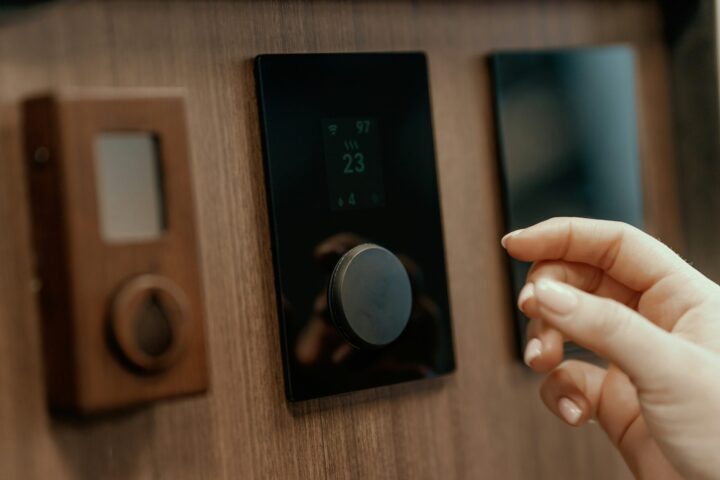
Set your thermostat to an energy-saving temperature that still protects the house and its contents. During cold weather, many homeowners keep the heat at 55°F or higher to reduce the risk of frozen pipes. In hot, humid conditions, leaving the cooling system active can limit indoor moisture and protect wood furniture, electronics and stored belongings.
Use an away schedule instead of turning the system off. Confirm that your thermostat follows the schedule after a manual adjustment and check that its app reports the correct indoor temperature. If the system struggles to reach its normal setting before you leave, ask an HVAC contractor to inspect it instead of assuming a lower vacation setting will solve the problem.
Managing Water Lines and Leak Sensors
A small supply-line failure can release water for days when no one is home. Close the main water valve if your plumbing setup and household equipment allow it. Homes with fire sprinklers, boilers or other water-dependent systems may need a different approach, so confirm the correct procedure before touching any valves.
Place sensors near washing machines, water heaters, toilets, sinks and basement drains. This guide to smart leak detectors explains useful features such as audible alarms, app alerts and remote notification. Some systems can also trigger an automatic shutoff valve.
Cold climates require extra attention because battery performance and wireless connections may change at low temperatures. Review guidance on cold-weather leak detection before placing a sensor in an unheated garage or crawl space. Our guide to preventing costly water damage offers more ideas for building water monitoring into a connected home.
When to Call an HVAC Contractor
Schedule an inspection when you notice uneven temperatures, unusual sounds, repeated short cycling or rising utility use. A system that already shows signs of trouble may fail under an extended heating or cooling schedule while you’re away.
Call early enough to allow time for repairs and a follow-up test. Two weeks before departure is a practical target during busy seasons. Ask the technician to inspect filters, drain lines, electrical connections and outdoor equipment. For a winter trip, discuss freeze protection and the location of vulnerable plumbing. Before a summer absence, make sure the condensate drain flows freely since a blockage can cause water damage or shut down the cooling system.
Leave written instructions for a trusted local contact. Include the thermostat location, basic reset steps and the phone number for your regular service provider.
Remote Monitoring for Peace of Mind
Choose alerts that tell you about conditions requiring action. Indoor temperature, water detection, power loss and loss of internet service usually deserve immediate notifications. Routine motion alerts can become distracting, especially if pets or outdoor shadows trigger them.
Test every alert from outside your home network. Turn off Wi-Fi on your phone, switch to cellular service and confirm that the thermostat and sensors still appear in their apps. Press each leak sensor’s test button and check that notifications reach any family member or caretaker who may need them.
Connected devices can’t help during a prolonged power or internet outage unless they have backup support. A small battery backup may keep the router online through a brief interruption. For longer trips, arrange for someone nearby to check the property after severe weather or an outage that lasts several hours.
Give your home one final review on departure day. Confirm the thermostat is in away mode, verify that leak sensors are online and photograph the main water valve in its intended position. That quick record can clear up uncertainty if an alert arrives while you’re far from home.