The following contribution is from another author.
Smart home devices place new and sometimes unpredictable demands on electrical systems that were designed decades before connected living became common. A single sensor uses little power, but hubs, displays, chargers, appliances and network equipment can expose weak connections or crowded circuits. Before adding more devices, it helps to understand how your home distributes power and where its limits may be. This electrical review can also become part of planning a whole-home smart upgrade.
The High-Tech Household Shift
Older homes were commonly wired for a smaller collection of lights, basic appliances and countertop electronics. Modern households may keep televisions, routers, smart speakers, security cameras, chargers and automated climate controls running at the same time. Larger connected appliances can add much heavier loads.
Some smart technology has genuine practical value. Guidance on smart home technology highlights uses such as voice control, automated lighting and safety monitoring for older adults. Still, convenient features depend on dependable power and network connections. Before expanding your setup, list devices that run continuously and identify high-demand equipment such as induction cooktops, heat pumps or EV chargers. That inventory gives an electrical professional a clearer picture of current and future demand.
Recognizing the Warning Signs
Pay attention to repeated symptoms instead of resetting a breaker and moving on. Breakers that trip during ordinary use, lights that dim when an appliance starts and outlets that feel warm can indicate overloaded circuits or loose connections. Buzzing sounds, scorch marks and a persistent hot-plastic smell call for prompt professional attention.
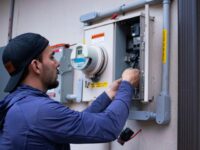
Unplug affected devices and avoid repeatedly restoring a circuit that trips. Extension cords and multi-outlet adapters should never become permanent substitutes for sufficient outlets. Homeowners in Wagga Wagga can ask an electrician to inspect the panel, test circuits and assess whether planned smart devices, solar equipment or EV charging will require dedicated capacity. Don’t open the panel or attempt wiring repairs yourself, since hazardous voltage may remain present even when individual circuits are switched off.
Upgrading Panels for Modern Demand
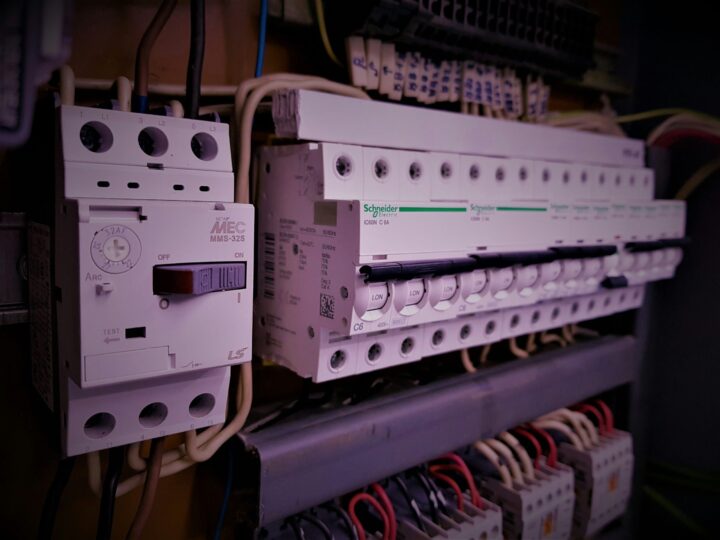
A panel upgrade may be appropriate when the existing unit has limited capacity, lacks space for new circuits or uses outdated components. An electrical load calculation provides a better answer than simply counting open breaker positions. It considers the home’s service rating, fixed appliances and the likelihood that several loads will operate together.
Ask the contractor to explain the calculation and identify which additions need dedicated circuits. Future plans matter too. A renovation may eventually include electric heating, rooftop solar, battery storage or vehicle charging, so reserving panel space now can prevent disruptive work later. Smart home design also involves usability and reliability, as the discussion of connected-home design challenges shows. Labeling every new circuit clearly will make troubleshooting and later upgrades much easier.
Protecting Sensitive Electronics from Surges
Smart devices contain delicate circuit boards that can be damaged by brief voltage spikes. Plug-in surge protectors offer localized protection, but their ratings vary and their protective components wear down over time. Check the manufacturer’s replacement guidance and replace any unit with damage, warning lights or an unknown service history.
Whole-home surge protection adds a protective layer at the electrical panel. It can help limit surges caused by utility switching and equipment cycling before they reach connected appliances. It doesn’t replace proper grounding, suitable circuit protection or point-of-use protection for valuable electronics. Ask a qualified professional to inspect grounding and recommend a coordinated setup.
Once the electrical foundation is ready, smart devices are less likely to drop offline, reboot unexpectedly or fail early. That makes the most useful upgrade one you rarely notice: stable power behind every automated routine.