The following contribution is from another author.
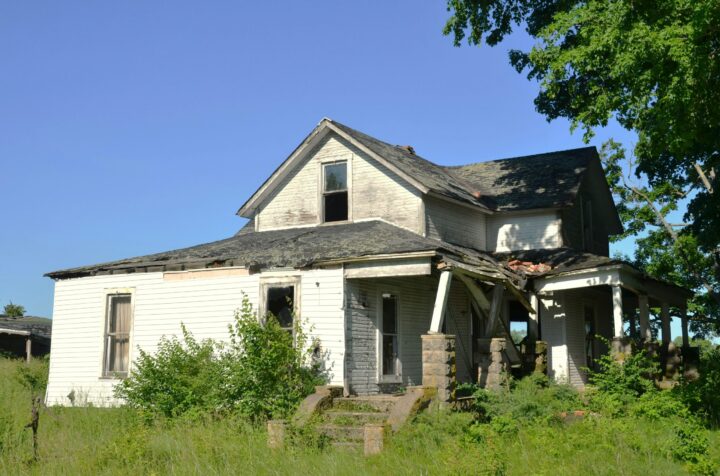
An overgrown property can create expensive problems long before it looks completely unmanageable. Dense brush hides damaged fencing, fallen limbs, and drainage issues while fast-growing plants crowd out desirable vegetation. Left alone for several seasons, a neglected area may require heavier equipment and more labor to restore. Regular mowing helps on open ground, but established thickets, unwanted trees, and tangled growth call for a more deliberate plan.
Invasive Species Take Over Fast
Unwanted plants often spread through seeds, underground roots, or fragments carried by animals and equipment. Once established, they compete with native plants for sunlight, water, and soil nutrients. Some also create dense growth that changes how moisture moves across the property.
Walk the site every few months and photograph unfamiliar plants so you can track their spread. Remove small patches before they produce seed, clean tools after working in affected areas, and avoid moving contaminated soil elsewhere. The connection between invasive plants and fire adds another reason to respond early, especially when aggressive grasses or shrubs leave large amounts of dry material behind.
Wildfire Risks Multiply in Dry Months
Dry grass, dead branches, and thick brush can allow flames to move quickly across a property during hot, windy conditions. Growth near sheds, fences, access roads, and the home deserves particular attention. The full community costs can extend far beyond damaged buildings to include evacuation, health effects, and disrupted local services.
Start by removing dead vegetation and keeping access routes open for maintenance crews. Large trees, extensive cedar growth, or steep terrain may make do-it-yourself work unsafe or impractical.
Call in Professional Clearing Help
Professional help makes sense when growth covers a large area, blocks access, or includes trees and stumps that ordinary yard equipment can’t handle. Landowners dealing with overgrown homesites, ranch acreage, fence lines, or land intended for future building may benefit from working with a land clearing contractor who can match the clearing method to the site and its intended use.
Forestry mulching may process brush in place, while tree and stump removal prepares a defined area for construction, fencing, or another planned improvement.
Before requesting an estimate, mark property boundaries and identify anything that should remain, such as mature shade trees, utility access points, or drainage channels. Ask how debris will be handled and what the site will look like when work ends. A clear scope helps prevent misunderstandings and lets you compare proposals based on the same outcome.
Reclaim Lost Usable Yard Footprint
Overgrowth can make a sizable lot feel surprisingly small. Clearing a strip along a fence may restore access for repairs, while opening a brush-filled corner can create room for a garden, play area, or outdoor seating. Even a narrow path can make routine inspections easier and reveal erosion, standing water, or damaged posts that were previously hidden.
Thinking about how to make better use of your outdoor space can help you decide which overgrown areas are worth reclaiming first. Once brush, unwanted trees, and dense undergrowth are cleared, those sections can be planned around the way you actually want to use the property.
Decide how you want to use each reclaimed section before work begins. Keep healthy vegetation where it provides shade or holds soil in place, then plan ongoing maintenance around the remaining growth. Newly cleared ground may need mowing, targeted plant removal, or fresh ground cover during the first growing season to keep unwanted species from returning.
The best result is land that stays useful after the machines and crews leave. Set a simple seasonal inspection schedule, paying close attention to fence lines, drainage areas, and the first shoots appearing on cleared ground. Catching regrowth at ankle height costs far less than clearing another wall of brush a few years later.