The following contribution is from another author.
Running a business requires close attention to detail. In the past, it was easier to overlook certain aspects, but today customers expect fast, simple, and secure payment methods. If your payment process feels slow or confusing, customers will notice, and they may not return.
This is why many businesses are reevaluating how they handle transactions. It’s not just about accepting payments; it’s about creating a smooth experience from start to finish. Let’s explore what actually makes a difference.
Why Payment Experience Matters More Than You Think
People don’t separate your product from your checkout process; to them, it’s just one complete experience. If somebody enjoys your services but struggles to pay, then that frustration is going to stick around. On the other side of things, a quick and clean checkout helps to build trust.
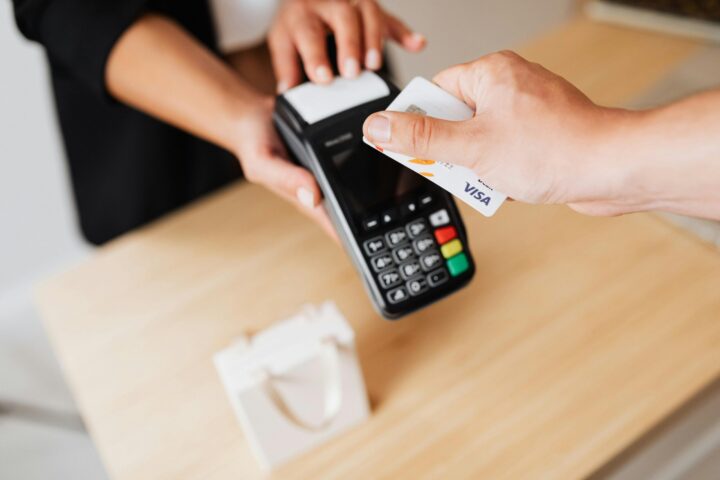
This is especially clear in hospitality. A well-designed restaurant payment system can reduce wait times, improve table turnover, and make the entire visit feel more polished. It also helps your staff; you will have fewer errors, faster processing, and less back and forth at tables. Small improvements here can lead to better reviews and repeat customers.
The Link Between Simplicity and Revenue
Simple systems don’t just feel better; they are performing better for you. When customers are able to pay in a few taps or clicks, they’re more likely to complete their purchase. This matters for both physical and digital businesses.
Think about online stores; it often comes down to friction between the customer and what they are using. Too many steps, unclear pricing, or limited payment options push people away. A smoother checkout removes those barriers and gives your customers fewer reasons to hesitate.
The key is to make sure that it is part of a long-term online business success plan. It’s not always about more traffic; it’s about making better use of the traffic that you already have coming in.
Choosing the Right System for Your Business
Not every solution is going to work for every single business. You need something that fits how you are operating. Start by looking at the daily workflow and thinking about where your delays are happening. Where do mistakes show up? If you run a restaurant, speed and flexibility matter most; tables turn over quickly, and customers want convenience.
If you run an online store, focus on mobile usability and payment variety. People expect options like digital wallets and one-click checkout. Also, think about reporting. A good system, without extra work, should allow you to track sales, refunds, and trends without digging through data. And don’t ignore support; when something breaks, you need quick help.
Conclusion
Payment systems sit at the centre of every single transaction. When they work well, everything else is going to feel easier. Customers have to move faster, staff will be able to work more efficiently, and your business should be able to run with fewer interruptions.
Make sure you take the time to look at your current setup and look for any friction points, rather than just the functionality side of things, because in the end, the businesses that grow are the ones that make things simple for the people that they are looking after.








Didn’t expect to find something this useful today. Well done.
The online payment system is quite well-developed, but I haven’t explored the payment system in physical stores. Nice article
Excellent breakdown of how payment infrastructure acts as a catalyst for scaling modern enterprises. It’s fascinating to see how efficiency translates directly to growth. Whenever you need a quick break from analyzing business systems, playing some action games is a perfect way to recharge!