The following contribution is from another author.
The idea of a “smart home” has been around for a while, but it’s quickly becoming the new normal for modern living. We’re talking about more than just asking a speaker to play a song or turn on the lights. The future of homeownership means creating a living space that’s more efficient, safer, and easier to maintain. This shift is changing everything, even how we handle routine chores and unexpected problems.
Smart upgrades aren’t just for tech geeks anymore. They’re practical investments that can save you money, give you more control, and even spot issues before they turn into big headaches. Let’s dive into how these advancements are shaping the future of keeping your home in tip-top shape.
What Does a “Smart” Home Really Mean Today?
When you hear “smart home,” you might picture something out of a sci-fi movie. But really, a smart home is just a house with internet-connected devices that let you check on and manage your appliances and systems from afar. This could be anything from a couple of smart plugs to a fully connected network that handles your climate, lights, and security.
The real magic happens when these devices start talking to each other. For instance, your smart blinds can close automatically during the hottest part of the day. This helps your smart thermostat keep things cool without making your AC work overtime. Or, your front door can unlock when it senses your phone nearby, and the entryway lights can switch on at the same time.
This kind of automation isn’t just about making life easier. It’s about building a home environment that adjusts to how you live. It learns your habits, uses energy wisely, and provides information to help you manage your property more effectively. The focus has shifted from single devices to interconnected systems that make your whole home run more efficiently.
Predictive Maintenance: Your Home’s New Superpower
One of the biggest changes for homeowners is moving from fixing problems after they happen to predicting them before they do. In the past, you’d only know your water heater was broken when you got a cold shower. Today, smart tech can warn you about issues long before they become disasters.
Imagine your HVAC system sending a message to your phone saying its air filter is clogged and not working well. Or a smart water sensor under your sink that spots a tiny leak and automatically shuts off the main water supply, saving you thousands of dollars in water damage. That’s the power of predictive maintenance. These systems use sensors and data to keep an eye on your home’s main parts:
- HVAC Systems: Smart thermostats and sensors can track how well your heating and cooling are working, how much energy they use, and how long they run. They can notice unusual patterns that suggest a part is wearing out. This prompts you to schedule a service call before it completely breaks down on the hottest day of summer.
- Plumbing: Smart water monitors can track your water use and detect issues such as a running toilet or a hidden pipe leak. Some advanced systems can even check water pressure to predict potential pipe bursts.
- Appliances: Modern smart fridges, dishwashers, and washing machines can run self-diagnostics and display specific error codes. They might let you know a drain is blocked or a heating element is failing, helping you get a precise repair.
Even though a smart system can tell you what’s wrong, you’ll still need a qualified technician for the actual fix. Finding a good professional can be as easy as checking a resource like https://yetipros.com to connect with local experts. The main thing is that you’re making the call on your own terms, not in a panic.
Energy Efficiency and Cost-Saving Upgrades
Smart home technology is one of the best ways to lower your utility bills and make your home more eco-friendly. These upgrades often pay for themselves over time by saving you a lot of energy. Many smart home improvements offer both convenience and long-term value.
Some of the most impactful upgrades include:
- Smart Thermostats: These devices do much more than just set a schedule. They learn your family’s routines and create personalized heating and cooling plans. Many use geofencing, which means they know when no one is home and adjust the temperature accordingly, stopping wasted energy.
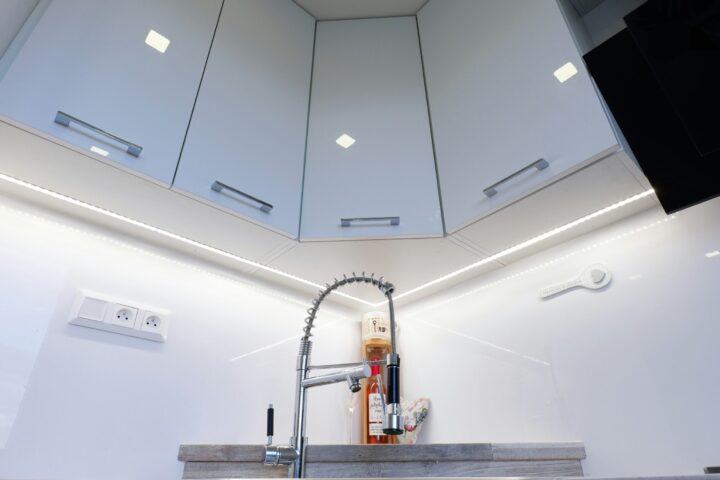
- Smart Lighting: LED bulbs paired with smart switches, dimmers, and motion sensors can significantly reduce your electricity use for lighting. You can set lights to turn off automatically when a room is empty or dim to 50% for a relaxed evening.
- Smart Plugs and Power Strips: These simple devices can turn any regular appliance into a smart one. You can use them to stop “vampire power” that electronics draw when they’re on standby, or set schedules for things like fans and space heaters.
- Automated Window Treatments: Smart blinds and curtains can be set to open and close based on the time of day or the sun’s position. In winter, they can open to let in sunlight and naturally warm your home. In summer, they can close to block heat from the sun and reduce the strain on your air conditioner.
These are considered smart upgrades that pay off, not just for lower bills but also for boosting your home’s value. Potential buyers are increasingly looking for homes that already have these modern, energy-efficient features.
Boosting Security and Safety with Smart Tech
Besides saving money and preventing mechanical failures, smart technology gives you powerful tools to keep your home and family safe. A modern smart security system is more than just a loud alarm; it’s a connected network that lets you see and control things from anywhere.
Smart security often starts at the front door. Video doorbells let you see and talk to visitors whether you’re on the couch or on vacation. Smart locks let you grant temporary access to a dog walker or contractor without handing over a physical key. You can also get alerts whenever the door is locked or unlocked, giving you a full record of who’s coming and going.
But safety isn’t just about intruders. Smart sensors are your first defense against common household dangers:
- Smoke and Carbon Monoxide Detectors: Smart detectors do more than just make noise. They send an alert straight to your phone, telling you exactly which room has the problem. If you’re not home, you can call for help right away.
- Water Leak and Freeze Sensors: Put in basements, laundry rooms, and under sinks, these small sensors can prevent huge damage. A timely alert about a leaky washing machine hose or a frozen pipe can be the difference between a small cleanup and a major renovation.
- Smart Cameras: Indoor and outdoor cameras let you check in on your home, pets, and kids anytime. Modern cameras have motion detection, two-way audio, and smart alerts that can distinguish between a person, a car, and a stray animal.
Integrating Smart Upgrades into Your Existing Home
You don’t need to build a new house to enjoy the perks of smart technology. Many upgrades can be added to your current home without much fuss. If you’re planning a remodel, it’s the perfect time to include these features. Adding smart home upgrades during a renovation can be a smart move that brings modern functionality and value.
For those just starting, it’s best to begin with one system. Pick an area that will make the biggest difference in your daily life. For some, that might be smart lighting for convenience. For others, it could be a smart thermostat for home efficiency.
Here are a few ways to get going:
- Start with a Hub: A central hub like Amazon Alexa, Google Home, or Apple HomeKit can act as your smart home’s brain. It lets devices from different brands communicate with each other.
- Focus on High-Impact Areas: Upgrading your thermostat, installing a video doorbell, or adding smart plugs to your main living space are all great starting points.
- Think About DIY vs. Professional Installation: Many smart devices, like plugs and light bulbs, are simple to plug in and use. However, for devices such as smart switches, thermostats, or integrated security systems, professional installation is often advisable to ensure everything is wired correctly and operates safely.
The Rise of a Smart Home Maintenance Plan
As our homes get more high-tech, so does keeping them up to date. Keeping track of software updates, battery changes, and sensor calibrations can feel like a part-time job. This has led to the rise of the smart home maintenance plan.
These plans, often offered by tech companies or home service providers, treat your home’s technology like any other important system. A professional service can manage software updates for all your devices, regularly test your security sensors, clean camera lenses, and ensure your entire network runs smoothly and securely. This proactive approach means you get all the benefits of your investment without the hassle of constantly tinkering.
Ultimately, the future of home maintenance is about teamwork. It’s a collaboration between you, your smart devices, and the skilled professionals who keep everything running. Your home will work harder for you, and you’ll spend less time worrying about what might go wrong.
Moving to a smarter home is an exciting journey. It gives you more information and control than ever before, turning home maintenance from a chore into a smooth, manageable process.







so useful information
https://www.apipod.ai/