
The following contribution is from another author.
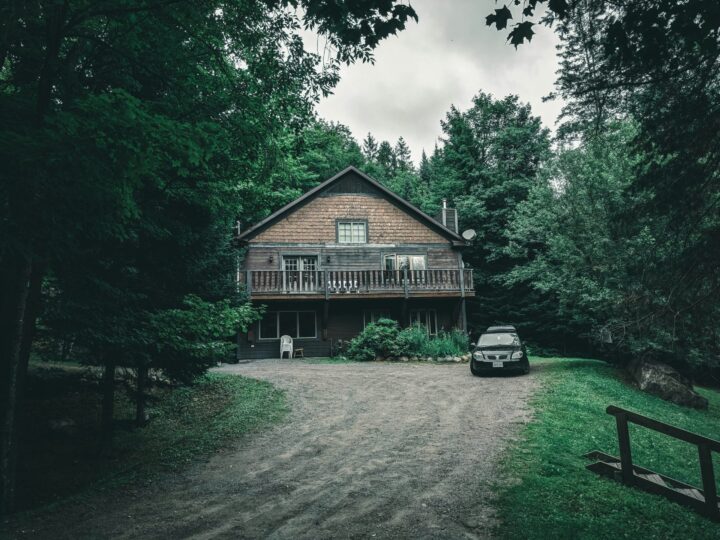
Building a personal retreat away from the hustle and bustle, disconnected from public utilities, really appeals to folks who love their independence and want to feel closer to nature. Creating an off-grid home or cabin is a big project, though. It takes careful thought and execution, mixing classic building know-how with cool, sustainable tech.
Getting it right means following a series of well-planned steps, from picking the perfect plot of land to getting all the systems in place that’ll make your sanctuary livable.
Planning Your Remote Sanctuary
Before you break ground, take some time to figure out exactly what you want from your retreat. A simple cabin for occasional weekend use will have very different needs than a home designed for year-round living. That decision will affect everything from the size and layout to your budget and the work involved.
Once you know what you’re building, look into the rules for the area. Check the zoning laws, building codes, permits, and requirements for things like septic systems and water access. Rural properties can have fewer restrictions, but that isn’t always the case. You’ll also want to make sure the property has legal and practical access. A beautiful piece of land won’t be much use if there’s no reliable way to get to it or bring in the materials you need to build.
Assessing Your Land’s Potential
Your land is probably your most valuable asset here. When you’re checking out a potential property, try to look beyond the pretty views and consider how practical it is. The lay of the land, or topography, is a huge deal. A super sloped lot might offer amazing vistas, but it’ll be way harder and pricier to build on. Find a nice, relatively flat spot for your building site.
Think about the natural resources too. Does the property have a reliable water source, such as a spring, or a high water table if you plan to drill a well? What’s the sun exposure like throughout the day and year? Plenty of southern sun is key for passive solar design and getting the most out of your solar panels, which can even power remote Australian lifestyles. Lastly, check the soil type to make sure it can support a foundation and, if needed,d a septic system.
Preparing the Site for Construction
First up, you’ll need to clear the building area of trees, brush, and rocks. You’ll also need to create an access road sturdy enough for big vehicles like concrete trucks and delivery vans.
Getting the site graded correctly is super important for managing water and making sure your build site is stable. You need to shape the land so rainwater flows away from where your foundation will be. While you might be able to handle a bit of clearing yourself, creating a level building pad and good drainage usually requires specialized equipment. This is where professional excavating contractors really shine. They’ve got the machinery and know-how to efficiently clear, grade, and prep your land, setting everything up for a smooth construction process.
Sustainable Power and Water Solutions
An off-grid retreat needs reliable power and water. Solar panels paired with battery storage are a popular choice for electricity, but size the system around your expected daily use, including appliances, lighting, and tools.
For water, you might use a well if groundwater is available or collect rainwater from the roof into storage tanks. Either way, plan for proper filtration and purification to keep the water safe for drinking and everyday use.
Building Foundations for Durability
With the site ready, you can start laying the foundation for your structure. The type of foundation you pick will depend on your soil, climate, and building design. Common choices for remote builds include a concrete slab-on-grade, a crawl space, or a pier foundation.
A concrete slab is straightforward and tough, offering great thermal mass. A crawl space lifts the structure, which is handy on sloped sites and gives you easy access to plumbing and wiring. Pier foundations are often the most budget-friendly option for tricky terrain, as they require minimal digging. Whatever you choose, don’t skimp on the foundation. A strong, well-built foundation ensures your off-grid retreat stays stable and lasts for ages. Knowing how to build an off-grid structure from scratch helps you make these crucial early decisions.







Creating an off-grid retreat really sparks my interest in sustainable living. I appreciate the emphasis on planning, as having a solid foundation is crucial before starting such an adventure. good resource
John Reddington September 8, 2026 at 8:15 am The idea of being disconnected from public utilities is really intriguing. I loved the mention of planning as the first step; it seems like a key factor in ensuring everything goes smoothly when building your retreat. Looking forward to more insights! worth a look
Tara Lindstrom September 9, 2026 at 9:10 am The concept of creating a retreat that immerses us in nature is so appealing! I particularly liked the focus on planning as an essential first step; it really highlights how critical it is to ensure all aspects are thoughtfully considered before embarking on this journey. Can’t wait to see more practical tips! relevant link
Anna Whitmore September 8, 2026 at 9:10 am The idea of building a retreat that connects us more closely to nature is so appealing! I particularly appreciate the focus on the planning phase. Taking the time to assess the location and resources available before diving in seems essential for a successful off-grid experience. Excited to see more practical tips! see here
Sarah Lopez September 9, 2026 at 9:12 am I love the concept of retreating to a place that prioritizes independence and the connection with nature. The focus on planning and laying a strong foundation resonates with me—it’s such an important step in realizing the off-grid lifestyle. Can’t wait to read more tips! see here
Emily Carter September 10, 2026 at 10:45 am I find the concept of building an off-grid retreat to be incredibly appealing, especially the idea of living in harmony with nature. The emphasis on planning resonates well with me; it truly sets the stage for a successful and sustainable project. I’m eager to hear more about the practical steps involved! check this out
Alex Green September 10, 2026 at 10:45 am The idea of creating an off-grid home deeply resonates with me, especially given the focus on planning and groundwork. It’s fascinating to think about how disconnecting from public utilities can lead to a more harmonious lifestyle with nature. Eager to see more tips on the building process! relevant link
Emily Carter September 11, 2026 at 11:30 am The concept of building a personal retreat away from the chaos of daily life truly resonates with me. I appreciate the focus on planning as an essential first step—it really sets the tone for a successful off-grid lifestyle. Excited to explore more about the necessary groundwork! interesting find
Jessica Moreau September 10, 2026 at 11:30 am I find the idea of building a personal retreat incredibly appealing, especially the focus on independence from public utilities. The article’s emphasis on a solid planning phase is crucial; it really sets the tone for a successful off-grid experience. Excited to explore more of this journey! this one
Emily Carter September 11, 2026 at 11:30 am The concept of building a retreat disconnected from public utilities really speaks to my desire for a simpler lifestyle. I appreciate how the article emphasizes the importance of planning, particularly in choosing the right location—it’s such a vital first step to ensure long-term sustainability. Looking forward to diving deeper into the other steps! relevant link
Jessica Hartman September 11, 2026 at 11:30 am The concept of feeling closer to nature while building an off-grid retreat really resonates with me. I appreciate the focus on the essential steps in planning, as it’s crucial to ensure a successful transition to this independent lifestyle. Excited to learn more! this resource