The following contribution is from another author.
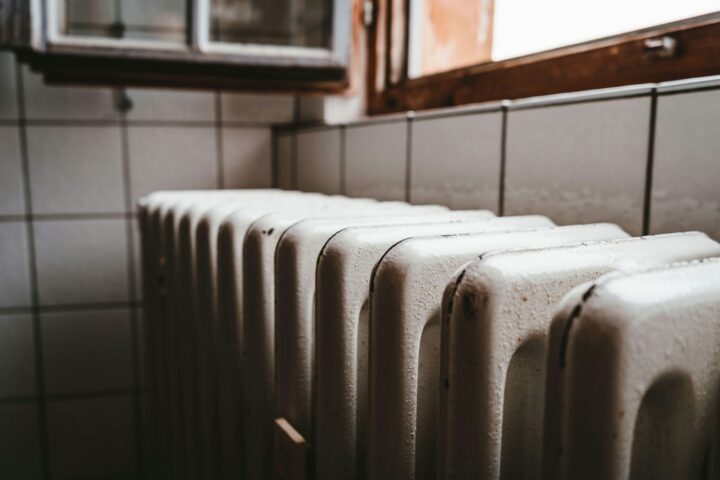
An efficient heating system keeps indoor temperatures steady, lowers wasted energy, and makes a home easier to adapt as technology changes. The best setup depends on the building’s climate, insulation, layout and existing equipment. Before replacing anything, it helps to look at the entire house as one connected system. That wider view can prevent you from buying equipment that’s larger or more complicated than your home needs.
Start with the home itself
Heating equipment can only do so much in a drafty building. Air leaks around windows, doors, attic hatches and utility openings allow warmed air to escape, causing the system to run longer. Insulation and basic air sealing often reduce this demand before any mechanical upgrade begins.
Start with a home energy assessment or inspect the most common trouble spots yourself. Uneven temperatures, cold walls, and rooms that cool quickly can point to gaps in the building envelope. These improvements also support a more efficient home by reducing the amount of energy required to maintain comfort throughout the year.
Know when repair or replacement makes sense
A single repair may be sensible when equipment is relatively young, replacement parts remain available, and the system has otherwise worked reliably. Frequent service calls, rising energy use and inconsistent temperatures suggest that replacement deserves a closer look. Age matters too, but condition and performance provide a clearer picture than the installation date alone.
Homeowners in Monroe and Ann Arbor can consult local heating services for repair, maintenance, installation or replacement guidance. Before approving major work, request a written diagnosis and ask how the recommended option addresses your home’s actual heating load. A contractor should size new equipment using the building’s characteristics, not simply copy the capacity of the old unit.
Compare systems by real-world performance
Furnaces and heat pumps can both provide dependable comfort, though their energy sources and operating characteristics differ. A furnace creates heat and distributes it through ductwork. A heat pump transfers heat, allowing many models to provide both heating and cooling. Cold-climate performance has improved, but local winter temperatures still affect equipment selection.
When reviewing modern heating systems, compare efficiency ratings, estimated annual operating costs, noise levels, and maintenance needs. Check whether existing ducts can handle the required airflow. In a 1,600-square-foot home with several additions, for example, duct repairs or zoning controls may improve comfort as much as the new unit itself.
Add smarter controls without adding complexity
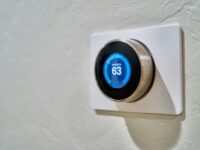
A programmable or smart thermostat can reduce energy use by adjusting temperatures around your household’s routine. A modest setback while everyone is asleep or away may prevent hours of unnecessary operation. Keep changes gradual if you use a heat pump, since large temperature jumps can trigger less efficient backup heat on some systems.
Smart controls are most useful when they’re easy to override and understand. Choose a thermostat that works with your equipment and offers clear scheduling. Room sensors can help when the main thermostat sits in a hallway that warms faster than bedrooms. For larger homes, properly designed zoning can direct conditioned air where it’s needed, though closing random vents isn’t a safe substitute.
Plan for changing energy needs
Future-proofing involves leaving room for practical upgrades. An electrical panel with available capacity may make a later heat pump installation easier, while accessible equipment placement can simplify maintenance and replacement. If you’re renovating, preserve suitable routes for ducts, wiring and refrigerant lines before closing the walls.
Broader building future-proofing strategies include efficient electric systems and resilience during changing weather conditions. You don’t need to complete every upgrade at once. Document current equipment specifications, panel capacity, and major insulation work so future contractors can understand what has already been done. That record can save time and reduce guesswork during the next project.
Protect performance through regular care
Even efficient equipment loses performance when filters clog or components fall out of adjustment. Check the filter monthly during heavy-use seasons and replace it according to its condition and the manufacturer’s instructions. Keep supply registers open and move furniture away from returns so air can circulate properly.
Schedule professional maintenance at the interval recommended for your system. A technician can inspect electrical connections, verify airflow, and identify wear before it causes a midwinter breakdown. Pay attention between visits as well. New noises, short operating cycles or a sudden change in energy use deserve prompt attention. A simple maintenance log with filter dates and service notes will make unusual patterns easier to spot.
A future-ready heating plan starts with accurate information about the house, followed by equipment sized for its actual needs. When the building envelope, controls, and heating system work together, comfortable rooms and predictable operating costs become much easier to maintain.