The following contribution is from another author.
Modern heating systems can lower energy use, improve comfort, and give you much better control over temperatures from room to room. Yet equipment alone doesn’t determine how well an upgrade performs. Your home’s insulation, ductwork, and existing mechanical setup all affect the result. Before replacing anything, it helps to understand the main options and identify where your current system is falling short.
Start with a home comfort assessment
Pay attention to what happens during a normal heating cycle. Cold bedrooms, long run times and frequent temperature swings can point to duct leaks, poor insulation or equipment that no longer operates efficiently. Unusual noises and rising utility bills also deserve attention.
A contractor can calculate your home’s heating load based on its size, insulation levels, window area and local climate. This calculation provides a more reliable equipment size than simply matching the capacity of the old unit. The energy efficiency upgrade strategies from ACEEE also show why improvements work best when you consider the entire home as a connected system.
Know when replacement makes sense
Repair may be practical when a system has a minor problem and still delivers steady, affordable heat. Replacement becomes more reasonable when equipment needs repeated service, heats unevenly or is approaching the end of its expected working life. A cracked heat exchanger, serious corrosion or unavailable replacement parts can also change the equation.
If you’re considering a furnace replacement, ask for a written estimate that includes equipment efficiency, labor, controls and any needed duct modifications. In an older home, the installer should also check venting and electrical capacity. Those details can affect both the project cost and day-to-day performance.
Compare modern heating options
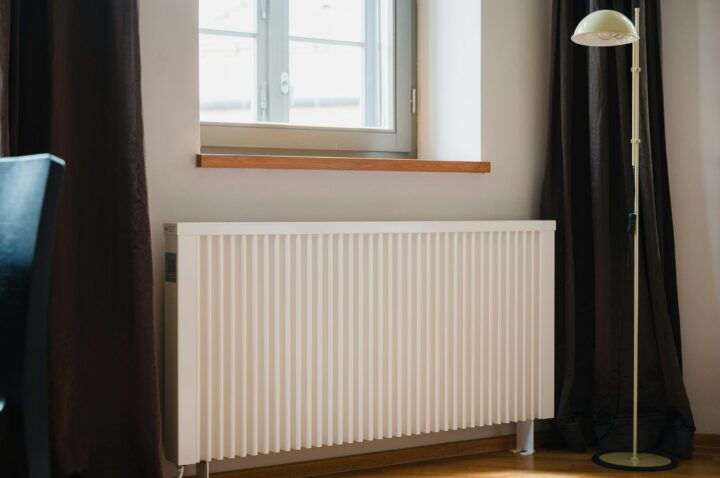
High-efficiency furnaces use improved burners, variable-speed blowers and better controls to reduce wasted energy. Modulating models can adjust their output in small increments, which helps maintain a steadier indoor temperature. Boilers remain useful in homes with radiators or radiant floors, especially when existing piping is in good condition.
Heat pumps provide both heating and cooling by moving heat instead of creating it directly. Cold-climate models can operate at temperatures that once required another heating source, though performance varies by model and home. Independent whole-house heat pump ratings can help you compare tested performance, reliability and owner satisfaction before requesting quotes.
Fix the house before oversizing the system
Air leaks and thin insulation make heating equipment work harder. Sealing gaps around attic openings, plumbing penetrations and exterior doors may reduce the heating load enough to allow for a smaller system. Ducts running through an attic, crawl space or garage should also be checked for loose joints and damaged insulation.
Start with the least disruptive work, then have the heating load recalculated if you’ve made major improvements. These easy energy-efficient home upgrades offer practical places to begin. Avoid choosing oversized equipment as a shortcut because short heating cycles can create uneven temperatures, extra noise, and unnecessary wear.
Add smarter controls and regular maintenance
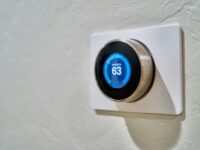
A programmable or smart thermostat can reduce heating during predictable periods when the house is empty, or everyone is asleep. Keep temperature changes modest, especially with a heat pump, since large setbacks may trigger less efficient backup heat. Zoning can help in larger homes, but it needs careful duct and control design to prevent airflow problems.
Maintenance protects the efficiency you paid for. Replace or clean filters on the schedule recommended for your system, keep supply registers open, and clear debris from outdoor equipment. A professional inspection can catch dirty coils, weak electrical components, and airflow restrictions before they lead to a midseason breakdown.
Look beyond the efficiency label
Efficiency ratings provide a useful comparison, but installation quality has a major effect on real-world results. Ask each contractor how the system will be sized, what changes the ductwork needs, and how performance will be tested after installation. Clear answers are more useful than a quote based only on square footage.
Also compare expected operating costs, warranty terms, and maintenance needs. The best upgrade should fit the home’s actual heating load and existing infrastructure. Once the work is complete, save the equipment specifications and startup readings with your home records. Those numbers give future technicians a helpful baseline if comfort or energy use changes.