The following contribution is from another author.
If you’re planning your next home upgrade, there’s a good chance heat pumps have appeared on your radar. Instead of generating heat like a traditional furnace, these systems transfer heat from one place to another. Many can provide both heat and cooling, making them an interesting option for homeowners looking beyond HVAC setup.
Before investing, though, there are a few things worth considering.
#1. What Does a Heat Pump Actually Do?
A heat pump works a little like a refrigerator in reverse. During colder months, it extracts available heat from outside and moves it indoors. In warmer weather, the process can be reversed to move heat out of your home.
Because heat pumps transfer heat rather than create it directly, they can be remarkably energy-efficient under the right conditions.
#2. Check Whether Your Home Is a Good Candidate
Your house itself plays a major role in how effectively a heat pump performs. Insulation is particularly important. A drafty property that constantly loses heat will make any heating system work much harder.
So before installation, you need to check insulation around the roof, walls, windows, and doors. Whether your home needs extra heating with a heat pump will be partially determined by the quality of your insulation, as this can affect your heating needs.
#3. Beyond the Initial Price
Let’s be honest: Installing a heat pump is expensive. But that shouldn’t be your only consideration. You want to think about the complete cost of owning the system, which also includes the expected energy consumption, maintenance, and anticipated lifespan.
Depending on where you live, rebates, tax credits, and even other incentives can also reduce the upfront costs. So, it’s crucial to compare all the potential savings with your current heating and cooling expenses versus the real cost of a heat pump.
#4. Choose the Right Type of Heat Pump
Here’s the thing: There isn’t just one type of heat pump.
Air-source systems are more common for residential heating and cooling. But you can also find ductless mini-splits, which can be particularly useful in homes without existing ductwork or where homeowners want individual temperature zones.
Ground-source or geothermal systems are designed to use stable underground temperature, which can be highly efficient. However, these systems are typically a lot more complicated and expensive to install.
#5. Think About Smart Controls
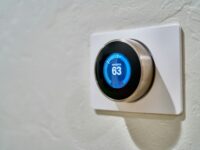
If you already have a smart hub, it’s worth looking into heat pumps that can integrate with the rest of your setup. A compatible smart thermostat can provide scheduling, remote temperature adjustments, and energy monitoring, for example.
#6. Heat Pumps Need Maintenance
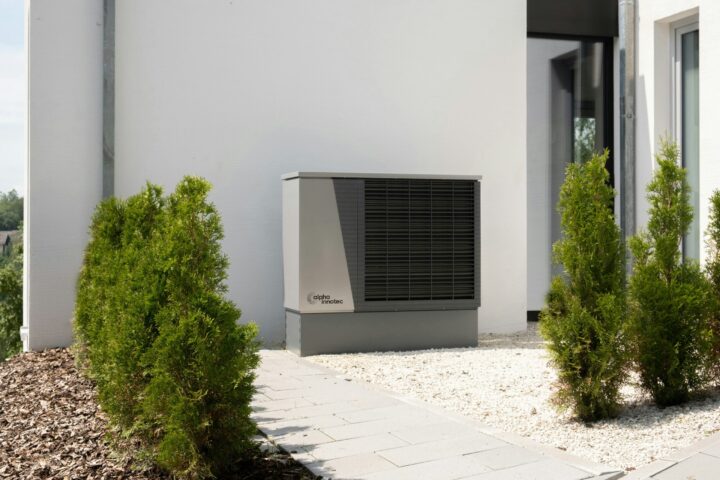
Heat pumps may be efficient, but they are not maintenance-free. Filters need attention, and outdoor units need to be kept free of debris. There are also professional servicing needs.
You may also need professional heat pump repair if you hear unusual noises or experience reduced airflow and difficulty maintaining the desired temperature.
#7. Get the Installation Right
Even a great heat pump becomes less effective if it’s incorrectly sized or installed. Here, bigger isn’t necessarily better. An HVAC professional can assess factors, including your home’s size, layout, insulation, climate, and existing system, to recommend the right solution.
Additionally, they will need to recommend the best placement, specifically, as outdoor units require adequate airflow.
In conclusion, heat pumps may seem like a smart home upgrade, but they require careful planning to truly elevate your home’s comfort and energy efficiency.