The following contribution is from another author.
Owning a home means juggling a bunch of hidden systems that work hard to keep you comfy. From the pipes to your appliances, these things need a little love to stop small issues from blowing up into huge, expensive headaches. Learning just a few key maintenance habits can really help you protect your home, save some cash, and avoid the stress of unexpected breakdowns.
The Silent Damage of Leaks
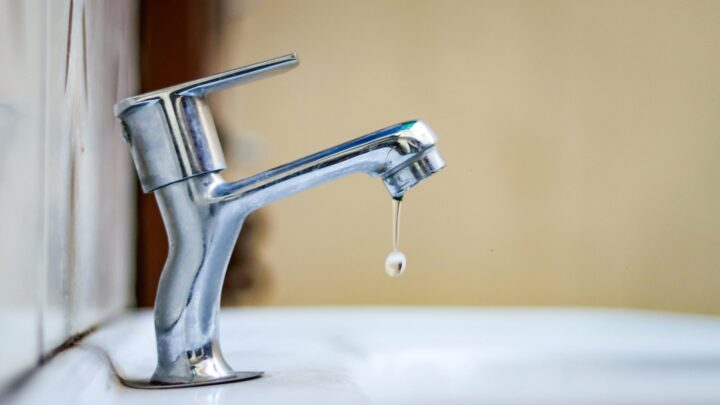
One of the sneakiest problems in any home is a slow, tiny leak. A little drip under the bathroom sink or a damp spot near the washing machine might seem like no big deal, but over time, that constant moisture can cause serious trouble. We’re talking wood rot, ruined drywall, and even weakening your home’s structure. Plus, it creates the perfect breeding ground for mold, which can pose health risks to your family.
The best defense? Regular check-ups. Once a month, just take a quick peek under all your sinks and around the base of your toilets. Check the connections for your dishwasher, the ice maker on your fridge, and your washing machine. For extra peace of mind, you might want to put smart water leak detectors in risky spots like basements, laundry rooms, and under sinks. These little gadgets can send an alert right to your phone the second they sense moisture, giving you a crucial head start.
Keeping Drains Running Smoothly
Slow drains are super annoying, but they’re often a warning sign that a bigger clog is brewing. In the kitchen, grease, coffee grounds, and stringy food bits are usually the culprits. In the bathroom, hair and soap scum team up to block pipes. You can head off most of these clogs by using mesh strainers over your drains and being careful about what you wash down the sink. And please, never pour cooking grease down the drain; let it harden and toss it in the trash instead.
Some homes have more complicated drainage needs. If you’ve got a bathroom, laundry room, or even a bar sink in your basement, it probably uses a special pump to push wastewater up to the main sewer line. For these setups, routine ejector pump maintenance is super important to prevent messy and truly gross backups. Knowing how these systems work and keeping them clean makes sure they’re ready to go when you need them most.
Appliance Care for Longevity
Your big appliances are major investments, and a little bit of care can really make them last longer. For your dishwasher, regularly clean the filter at the bottom to get rid of trapped food bits. This not only stops smells but also helps it clean better. With your washing machine, periodically check the water supply hoses for any bulges, cracks, or signs of wear, and replace them every few years to avoid a disastrous burst.
Your water heater also loves some annual attention. Over time, gunk and mineral deposits can build up inside the tank, making it less efficient and potentially damaging it. Learning how to flush the tank once a year is a simple task that can boost performance and help your water heater stick around longer.
Understanding Your Home’s Water Flow
In a water emergency, like a burst pipe or a broken appliance hose, knowing how to shut off the water to your whole house is the most important thing you can possibly know. Every homeowner should find their main water shut-off valve. It’s often in a basement, crawl space, or utility closet, usually where the main water line comes into the house.
Once you find it, make sure everyone in your home knows where it is. It’s a good idea to test the valve once a year to make sure it’s not stuck, and label it clearly. Acting fast to turn off the water can be the difference between a small clean-up and thousands of dollars in water damage, so it’s smart to consider preventative water leak measures throughout your home. Also, get familiar with the individual shut-off valves for toilets and sinks; these let you stop water to just one fixture without turning off the water for the whole house.
Seasonal Home System Checks
Fitting system maintenance into a seasonal routine makes it way easier to handle. Think of it like a simple checklist you can tick off throughout the year.
- Spring: As it warms up, check your sump pump to make sure it’s ready for spring rains. Clean your gutters and downspouts to direct water away from your home’s foundation.
- Summer: Look at outdoor faucets and hoses for leaks. Clean the coils on your air conditioning unit for better efficiency.
- Fall: Before the first frost, disconnect and drain all garden hoses. If you live somewhere cold, think about insulating any exposed pipes in unheated spots like crawl spaces or garages.
- Winter: Keep an eye on your pipes during deep freezes and check that your heating system is running smoothly.
A little proactive attention to your home’s main systems really goes a long way. These simple checks help you catch problems early, ensuring your home stays a safe and comfy place for years to come.