The following contribution is from another author.
The amount of water you actually consume is called your water footprint. It’s every litre that leaves your taps, cistern, and garden hose, plus the energy spent heating a chunk of it. Most homeowners only think about this when a quarterly bill lands and the number looks wrong. The fix isn’t a vague call to ‘use less water’ – it’s a sequence: measure what you’re actually using, kill the hidden leaks, upgrade the fixtures that waste the most, fix your habits, then rethink the garden. Do it in that order and the savings stack on top of each other instead of competing for attention.
Start with a baseline, not a guess
You can’t fix what you haven’t measured. Before making any purchase or changing any behavior, take a reading of your water meter at exactly the same time of day for two consecutive days and calculate your daily litres. Most meters have a sweep hand or digital readout that ticks over even when you think nothing is running – if it’s ticking over with every tap off and no appliance on, you’ve struck pay dirt.
Detail how you actually use water as a household – shower time, dishwasher going around half full, sprinkler on for hours. It’s the only reference point you’ll have to work out whether a $200 showerhead swap actually moved the needle, or whether your biggest win is sitting somewhere else entirely. Write it down – otherwise, your memory of how things were will likely suit your version of how things are going. Barwon Water and most other regional utilities offer basic usage breakdowns on your bill or portal, so double-check your numbers against the average household figure for your area.
Find the leaks before you spend on anything else
A toilet with a worn flapper or a faulty valve can leak silently for months. The classic test: drop a few drops of food dye into the cistern, wait fifteen minutes without flushing, and check the bowl. Any colour showing up means water is bleeding through constantly, and you’re paying for every drop.
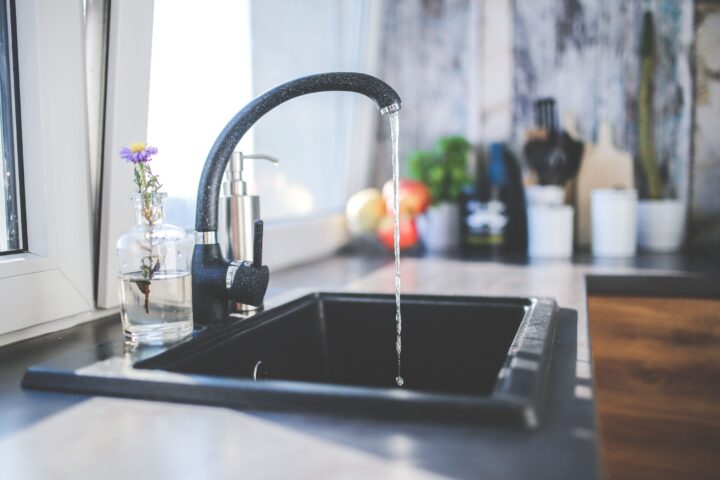
Don’t underestimate a dripping tap either. A single tap dripping at a steady rate can waste more than 10,000 litres a year – that’s dozens of full bathtubs disappearing down the drain for the cost of a ten-cent washer. Walk the house once a month and check under sinks, around the hot water unit, and at outdoor taps for damp patches or green staining on concrete, both of which point to a slow leak that hasn’t shown up visually yet.
If you want to go further, a smart water meter or a cheap in-line leak detector will flag unusual overnight usage automatically. Overnight is the easiest window to catch a leak because nothing should be running – if your meter shows flow between midnight and 5am, something’s wrong somewhere in the system.
Upgrade the fixtures that do the most damage
Once the leaks are sorted, check the flow rates. Get a bucket and a stopwatch: turn on a tap or showerhead for 10 seconds, measure the litres, then times it by six to get litres per minute. If a showerhead measures above 9 litres per minute, it’s likely that it’s an older model that doesn’t meet current standards.
This is where the WELS rating scheme comes into play. Every tap, showerhead, toilet, and water-using appliance that is sold in Australia legally must come with a WELS star rating, ranging from one star to six. The more stars, the less water the product will use to do the same job. A 3-star showerhead generally uses less than 9 litres per minute, a 4-star+ model uses around 6 litres per minute without you feeling a lack of pressure. As hot water is usually the single biggest energy cost in relation to water use in a home, changing showerheads cuts two bills with one new purchase.
The other target is toilets. If you have a pre-1990s single-flush model it could be using 12 litres or more per flush. A 4-star dual-flush toilet uses about 4.5 on full and about 3 litres on the half, which on the average of a household flushing a dozen times a day adds up to tens of thousands of litres saved per year. It is a bigger upfront cost than a showerhead but it attacks the biggest single indoor water draw in most Australian homes, and several state and council rebate programs will take a decent chunk off the buy and install cost.
Bring in a licensed plumber for the bigger jobs
Some of the highest-impact changes aren’t DIY-friendly, and treating them as DIY jobs is how people end up with contaminated water supply or a council compliance notice. Rainwater tanks, greywater diversion, and pressure regulation all fall into this category.
A rainwater tank sized properly for Geelong’s rainfall pattern can take a serious bite out of mains consumption when it’s plumbed into garden taps, the laundry, or toilet cisterns. But connecting a tank to any part of the household plumbing system requires backflow prevention, both to meet code and to stop untreated water finding its way back into the drinking supply. This isn’t a corner worth cutting.
Greywater reuse works the same way. Diverting laundry or bathroom wastewater onto the garden through an approved diversion device is legal and genuinely useful, provided you respect the 24-hour storage limit and avoid harsh detergents or borates that will damage soil and plants over time. Getting the diversion device fitted correctly, with the right backflow protections and overflow handling, is a job for someone who does this for a living.
Then there’s mains pressure. Plenty of Geelong properties run water pressure above 500 kPa, which wastes water every time you turn on a tap and puts ongoing stress on pipes, seals, and appliance connections. A pressure-reducing valve, properly set, brings that down to a sensible range and extends the working life of everything connected to your plumbing. If you’re planning any of this, work with a trusted plumber in Geelong who can assess your mains pressure, set up backflow prevention correctly, and make sure tank or greywater connections meet Victorian plumbing requirements rather than quietly creating a problem you won’t find until something fails.
Fix the free stuff – habits cost nothing and compound fast
Any upgrade benefits from better habits alongside, and habits come free. Shorter showers, sure, but a cheap shower timer actually changes behavior in a way that intentions alone don’t. Dishwasher and washing machine only with full loads, and make the eco cycle the default rather than quick – it uses less water in total, and possibly even per minute.
Fix dripping taps the day you first notice, rather than adding them to the someday list. Given what a single drip costs over a year, a ten-minute washer replacement has one of the best returns of anything on this list.
One small habit worth building: turn off the tap while scrubbing dishes, brushing teeth, or soaping up instead of letting it run. It’s the dullest sounding advice here, but in a house that otherwise does everything right, it’s the single most common water-wasting habit.
Rethink the garden before summer, not during it
Outdoor watering can account for a large share of total household water use, especially over summer, which makes the garden one of the highest-leverage places to cut consumption. Victorian permanent water-saving rules set specific days and times for outdoor watering in Geelong, and sticking to them isn’t just about compliance – watering in the cooler early-morning hours dramatically cuts evaporation loss compared to watering in the heat of the day.
Swap thirsty lawn and ornamental beds for drought-tolerant and native planting where you can. These plants need deep, infrequent watering rather than daily light watering, which trains root systems to go deeper and makes the whole garden more resilient during dry stretches. Add a layer of mulch around garden beds to lock in soil moisture, and switch sprinklers for drip irrigation wherever practical – sprinklers lose a large percentage of their water to wind drift and evaporation before it ever reaches the roots.
Don’t forget the energy half of the equation
Water and energy bills are more connected than you think. If you’re not using every litre of hot water, your water heater doesn’t have to heat it up, which is why low-flow showerheads and tap aerators save on two bills at once, not one.
Insulating your hot water pipes, especially over long distances to a bathroom a long way from the storage unit, reduces that loss of heat and need for re-heating. It’s also worth checking the thermostat on your storage heater. Many are set hotter than they need to be, and turning the thermostat down a few degrees combined with pipe insulation locks in savings on the energy side that would otherwise undo some of the gains from your water-side upgrades.
Bringing it together
None of these fixes work in isolation as well as they do stacked together. A home that doesn’t leak, equipped with efficient fixtures, good habits, and a garden that works for, rather than against, the local climate, will use a fraction of the water a typical household does, often without anyone in the house noticing a drop in comfort. Start with the meter reading, chase down the leaks, then work your way through the list in order. The bill will tell you it’s working before you even finish the garden.