The following contribution is from another author.
Remembering to get up and nudge the thermostat up or down can feel like a never-ending chore. You head out for work and forget to turn the heat down. You come home to a stuffy house and blast the AC. Smart home climate control offers a much better way, turning your home’s heating and cooling from a manual task into an automated, efficient system that just works for you. It’s all about creating a comfy environment that also saves energy and money, without you having to lift a finger.
The Rise of Connected Home Climate
A connected home climate system is so much more than just a thermostat you can control with your phone. Think of it as a whole ecosystem of devices working together to keep your home at the perfect temperature. These systems learn your habits, adjust for when you’re home or away, and can even react to changes in the weather. The main perks are twofold: amazing comfort and serious energy savings. Instead of heating an empty house all day, the system can warm up just before you arrive. This clever automation doesn’t just keep you cozy; it can also lead to noticeable drops in your monthly energy bills.
Choosing Your Smart Thermostat
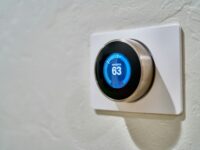
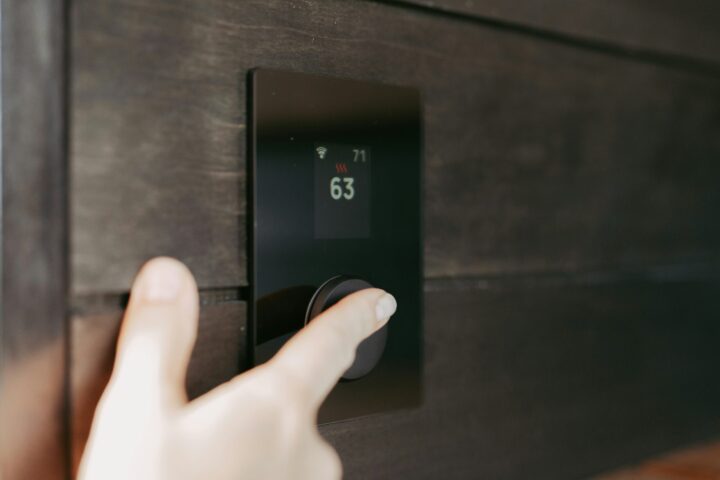
Your smart thermostat is really the brain of your connected climate system, so picking the right one is super important. Look for models that can learn your patterns, automatically setting up schedules based on how you use them. Geofencing is another cool feature; it uses your phone’s location to switch to an “Away” mode when you leave and then gets your home back to your preferred temperature as you head back.
For even more precise control, check out thermostats that work with remote sensors. You can pop these sensors into different rooms to make sure the system heats or cools based on where you actually are, not just the hallway where the thermostat lives. Before you buy, take a look at a smart thermostat guide to compare features like voice assistant compatibility (with Alexa, Google Assistant, or Siri) and reporting tools that show your energy usage over time. Comparing the best smart thermostats available can help you find the perfect fit for your home and budget.
Beyond the Thermostat: Integrated Systems
True climate automation really shines when your thermostat talks to other devices. Smart vents, for instance, can open or close to send airflow to specific rooms, getting rid of those annoying hot or cold spots. Adding smart ceiling fans can help move air around more effectively, letting you tweak the thermostat by a few degrees without losing comfort. Even motorized blinds can play a part, automatically closing during the hottest part of a summer day to block out the sun’s heat.
Pairing this smart tech with modern, efficient hardware is key to getting the best results. A smart thermostat connected to an old, inefficient furnace will still be limited by its performance. Upgrading your core system is often the most impactful step you can take. Professional heat pump services can help you figure out if your current equipment is ready for smart integration or if an upgrade could unlock even greater efficiency and comfort.
Ensuring Your Smart System Works
Once you’ve installed your smart climate gear, you’re almost there, but not quite done. For these systems to run smoothly, they need a solid foundation. That means your home’s main HVAC system has to be in good working order. Regular maintenance is a must. Clogged filters, dirty coils, or leaky ductwork can make your system work much harder, undoing all those energy savings your smart thermostat is trying to achieve. Think of it like putting a powerful new computer chip into an old, dusty computer; you just won’t get the performance you expect. A yearly check-up from a professional can keep your furnace, air conditioner, or heat pump running smoothly, letting your smart tech perform at its absolute best.
Future-Proofing Your Home Comfort
The world of smart home technology is always changing. To make sure your setup lasts, pick products that are built on open standards and support lots of different integrations. This helps ensure that as new devices and platforms come out, your current system won’t become obsolete. Look for compatibility with standards like Matter, which aims to bring together smart home devices from all sorts of brands. The future of home climate is heading towards super-personalized systems, able to adjust room by room based on what each person likes, and even connecting with your home’s solar panels and battery storage to optimize energy use throughout the day.
Investing in smart climate control is a smart move for both your everyday comfort and your home’s long-term efficiency. By starting with a great thermostat and building an integrated system on a well-maintained HVAC foundation, you create a home that truly takes care of you.