The following contribution is from another author.
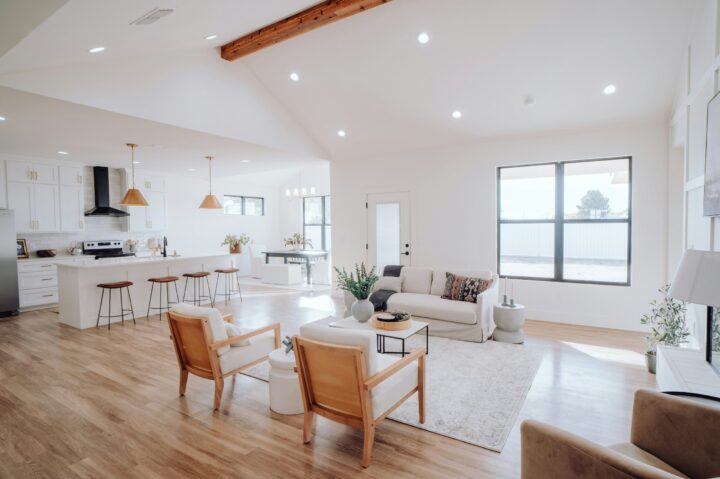
A successful open home is not simply a collection of attractive rooms. It is an experience designed to guide you through the property in a particular way. Furniture placement, sightlines, movement and visual emphasis all influence where your attention goes and how easily you can imagine living there. Good styling therefore works more like choreography than decoration, with every room contributing to a deliberate journey through the home.
Styling Directs the Buyer Journey
When you style your home for sale, the objective is not to fill every space with fashionable furniture. You are arranging each room so prospective buyers instinctively understand its purpose, proportions and relationship to adjoining areas.
That requires attention to spatial planning, particularly around entrances, hallways and transitions between rooms. A clear path from the front door into the main living areas encourages visitors to keep moving naturally, while carefully positioned furniture can draw attention towards a fireplace, garden outlook or other valuable feature. Nothing should feel as though it has been placed simply to occupy empty space.
Furniture Controls How Each Room Is Read
Furniture gives buyers an immediate reference point for scale. Without it, a large room may feel undefined, while an overcrowded room can appear smaller than it actually is.
Choosing pieces with proportions that suit the space helps establish visual scale. A compact dining table can show that an awkward corner has a practical use, while a correctly sized sofa can demonstrate generous circulation around a living room. The aim is to make the function and dimensions of each area easy to understand within seconds.
Sightlines Determine What Buyers Notice
Your first view into a room carries considerable visual weight. If that sightline ends at clutter, oversized furniture or a blank wall, an important opportunity has been lost.
Open home styling deliberately manages sightlines so strong features appear early. Positioning furniture to frame windows, architectural details or outdoor spaces can encourage buyers to notice them without obvious direction. Even small adjustments, such as changing the angle of an armchair or removing an unnecessary side table, can make the room feel more open and purposeful.
Movement Shapes the Sense of Space
Buyers do not experience a home from a fixed viewpoint. They walk through it, turn corners, gather in living areas and move between internal and external spaces. Styling must therefore work while the property is occupied by several visitors at once.
Maintaining comfortable circulation zones prevents furniture from interrupting natural movement. Doorways should remain unobstructed, pathways should feel generous and key rooms should allow people to move around one another easily. When movement feels effortless, the property itself often feels larger and better planned.
Visual Rhythm Connects Separate Rooms
Although every room has a different purpose, an open home should still feel like one coherent environment. Repeated materials, shapes, tones or textures can create visual rhythm as you move through the property.
Consistency does not mean making every room identical. Instead, selected elements can appear subtly throughout the home, such as similar timber finishes, related upholstery tones or recurring curved forms. These connections help the property feel considered as a whole rather than presented as a collection of unrelated spaces.
Restraint Keeps the Property in Focus
Effective staging supports the home rather than competing with it. Too many decorative objects, strong themes or highly personal pieces can pull attention towards the styling itself.
A more restrained approach gives buyers enough context to understand how each space works while leaving room for their own imagination. Furniture and accessories become tools for clarifying scale, function and atmosphere rather than the main attraction.
The Best Open Homes Feel Effortless
The most convincing open homes rarely appear heavily staged because the choreography is largely invisible. You simply move comfortably from room to room, notice the property’s strongest qualities and understand how each area could fit into daily life. That apparent effortlessness comes from deliberate decisions about furniture, movement, sightlines and visual continuity, proving that successful presentation is as much about directing an experience as decorating a space.






The emphasis on furniture placement and sightlines really highlights the art of staging a home. It’s fascinating how much thought goes into creating a cohesive experience during open homes. interesting find
The idea that open homes are choreographed rather than just decorated is such a compelling perspective. It’s clear that the flow of movement and intentional sightlines can significantly influence a potential buyer’s experience. This approach transforms how we think about showcasing a home. related tool
The idea that open homes focus on guiding movement is so intriguing. I love how you emphasize the choreography involved in staging; it definitely sets the tone for how buyers can envision living there. This approach to showcasing a property brings a whole new level of strategy to home selling! helpful site
Snow Rider challenges players to stay focused while navigating dangerous slopes packed with obstacles and sudden turns.
The concept of intentional sightlines being a crucial part of staging is truly eye-opening. It’s interesting to think about how the layout can guide a viewer’s journey through the home, making it feel more inviting and well-thought-out. This perspective certainly elevates the importance of design in open homes beyond mere decoration. this one
The concept of movement and visual emphasis in open homes is truly captivating. It’s impressive how strategic placement can guide potential buyers through a space, allowing them to experience the flow and functionality of each area. This really shifts the focus from mere decoration to a more intentional design! relevant link