The following contribution is from another author.
The modern Australian real estate market has reached an interesting crossroads in 2026. Properties in capital cities like Sydney, Melbourne, and Adelaide are seeing an influx of tech-savvy buyers who expect connectivity without compromising on aesthetics. Buyers are actively seeking properties equipped with the latest home automation, but they also want interiors that feel warm, organic, and inviting. The challenge for sellers is finding the perfect balance between showcasing high-tech features and maintaining a beautifully styled, buyer-ready aesthetic. When cords, screens, and bulky control hubs dominate a room, they can quickly make a space feel cold and clinical.
The Financial Benefit of the High-Tech, High-Style Home
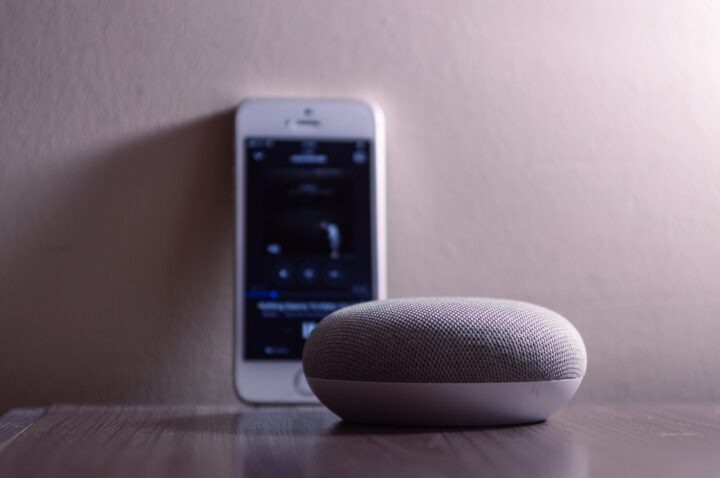
Before hiding every gadget in a drawer ahead of an open inspection, it is important to understand what modern buyers actually want. Data shows that integrated technology is a massive drawcard. According to recent research from RubyHome, seven in ten homebuyers are actively looking for a smart home, and an impressive 78 percent would be willing to pay a premium based on these statistics on smart home adoption. Highlighting these features rather than pretending they do not exist can significantly increase market interest.
However, raw technology alone is rarely enough to secure top dollar. Buyers need to envision themselves living comfortably in the space. Booking a professional house styling consultation is an excellent way to get expert advice on balancing modern gadgets with a warm, marketable interior. The Australian Property Institute noted in their 2024 research that professionally staging a mid-range property can increase the final sale price by five to 12 percent on average. Furthermore, a recent study by the Real Estate Institute of Victoria found that effectively staged homes under the $800,000 mark frequently secure an average price premium of $38,000 above unstaged equivalents.
Strategies for Tech-Cealment in Modern Properties
The American Society of Interior Designers identified “technology invisibility” as one of the highest priorities for modern interior design. This concept, often referred to as tech-cealment, focuses on hiding functional electronic elements so they do not detract from the room’s visual appeal. In fact, recent data from the National Association of Home Builders indicates that 67 percent of new luxury homes are now built with pre-wiring specifically intended for invisible smart home integration.
Achieving this seamless look can be tricky for the average homeowner. Stylists know exactly how to integrate these devices without making the room feel like an electronics showroom, ensuring that your home automation is felt rather than seen. Utilising smart storage solutions, custom joinery, and strategic placement can keep the focus on the architecture of the room rather than the hardware powering it.
For example, televisions are notorious for creating a massive visual void in a living room. Products like Samsung’s “The Frame” television have become staging staples because they convincingly masquerade as framed artwork when turned off. Similarly, staging professionals frequently blend smart climate controls into the background by intentionally colour-matching the device housing to the room’s wall paint. Even premium home automation brands are now offering flush-mounted smart control panels that sit completely flat against the wall, allowing them to disappear into custom wallpaper or stonework.
Softening the Space with Organic Elements
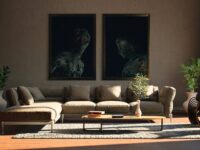
The Australian staging market in 2026 has decisively shifted away from stark, white-on-white minimalism. Instead, designers are embracing “warm minimalism” to counterbalance the inherently clinical feel of electronics. By introducing tactile materials and organic shapes, you can easily ground a high-tech room and make it feel incredibly inviting to prospective buyers.
If you are worried that your smart home devices are making a space feel too rigid, incorporating natural textures is the perfect solution. You can explore some excellent strategies for choosing eco-friendly decor to introduce sustainable, durable elements that soften the room and appeal to environmentally conscious buyers. This dual approach of highlighting modern convenience alongside natural beauty is a proven formula for real estate success.
When preparing a tech-forward home for the market, keep these styling tactics in mind:
- Embrace earthy palettes: Use tones like terracotta, mocha, and olive green in your textiles and cushions to offset the metallic and glass finishes of smart gadgets.
- Incorporate biophilic design: Bring in warm timber joinery, natural travertine stone, and plenty of lush indoor plants to make high-tech rooms feel more organic.
- Adjust your smart lighting: Program your linear LED ceiling profiles to a warm 2700K setting during evening buyer inspections. This evokes a cosy atmosphere rather than harsh, utilitarian lighting.
- Mix heritage with modern: Modern buyers prefer homes that look comfortably collected. Blend vintage or heritage furniture pieces alongside modern smart devices for a curated, sophisticated aesthetic.
Maximising Your Property’s Market Appeal
Selling a modern property requires more than just listing its technological capabilities on a brochure. In highly competitive housing markets, buyers need to visualise themselves relaxing in the space. By embracing tech-cealment strategies, utilising warm colour palettes, and seamlessly blending your smartest gadgets into the background, you can create a property that feels both state-of-the-art and unmistakably like home.