
This contribution is from another author.
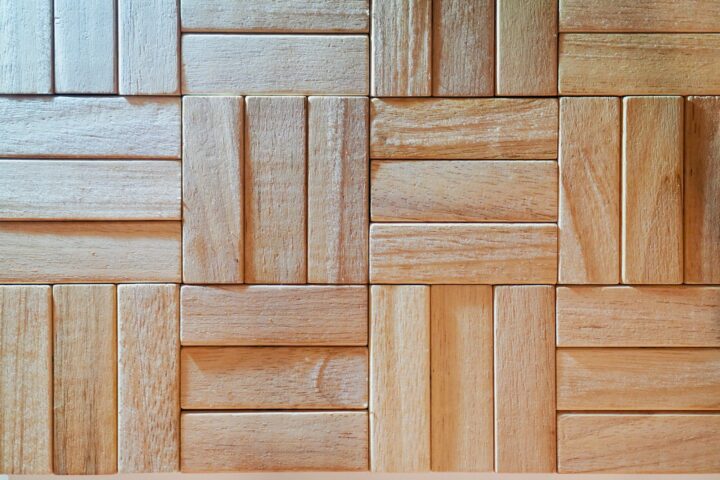
There is something about parquet flooring that makes a room feel like it was designed rather than just furnished. That distinctive geometric pattern, whether it is the classic herringbone, a chevron, or a basket weave, has a richness to it that plain plank flooring simply doesn’t. It has been gracing homes, palaces, and grand public buildings for centuries, and there’s a reason it keeps coming back into fashion. But like any flooring choice, it comes with trade-offs, and understanding them before you commit is going to save you money and regret. Here is an honest look at what parquet flooring actually delivers and where it falls short.
The Case For It
The visual impact of parquet is genuinely hard to argue with. It brings a level of visual interest and warmth to a room that few other flooring options can match at any price point. A well-laid herringbone floor in a natural oak finish can completely transform a space, making it look luxurious without requiring expensive furniture or elaborate decoration to back it up. The floor does a lot of the work on its own.
Parquet is also remarkably durable when it is properly installed and maintained. Because it is made from real wood arranged in interlocking geometric patterns, it tends to be dimensionally stable and resistant to the warping and shrinking that can affect standard plank flooring. Solid parquet can be sanded and refinished multiple times over its lifespan, which means a quality installation can last for generations rather than decades. For homeowners who want a floor they will never have to replace, that longevity is a serious advantage.
It also adds value to a property. Parquet is widely recognized by buyers and valuers as a premium flooring choice, and homes with original or high-quality parquet floors consistently command higher prices than comparable properties with cheaper alternatives. If you’re thinking about resale at any point down the line, parquet is an investment that tends to offer great returns.
The Case Against It
Cost is the biggest barrier for most people. Quality parquet flooring is significantly more expensive than laminate or standard hardwood planks, both for the material itself and for the installation. Laying a geometric pattern requires considerably more skill and time than standard plank installation, and cutting corners on the installer will show in the finished result. If your budget is tight, parquet is a difficult choice to justify.
It also requires more care than some alternatives. Real wood parquet does not respond well to moisture, which makes it a poor choice for bathrooms, laundry rooms, or any space with a high risk of water exposure. It needs to be kept at a relatively stable humidity level, which can be challenging in older homes or climates with dramatic seasonal swings. Scratches and dents are also more visible on parquet than on textured or distressed alternatives because the smooth, patterned surface shows wear more clearly.
Is It Right for Your Home?
Parquet works best in living rooms, dining rooms, hallways, and bedrooms where foot traffic is moderate and moisture is not a concern. It is less suited to kitchens and utility spaces. In the right space with the right installation, it is one of the most satisfying flooring choices you can make. In the wrong space or on the wrong budget, it becomes an expensive source of frustration.
Of course, there’s nothing wrong with traditional plank flooring, but if you’re seriously considering going with parquet this should help. The key is being clear-eyed about both sides before you fall too hard for the look. The look is admittedly very easy to fall for.