
The following contribution is from another author.
An eco-friendly renovation is a fantastic way to make your home kinder to the planet and a healthier place to live. It’s much more than just picking out bamboo flooring or a low-flow showerhead. A truly sustainable project really shines when you plan carefully, right from the first bit of deconstruction to the final lick of paint. Thinking through each step before you start helps you save resources, cut down on waste, and make sure your finished home is both beautiful and responsible.
Professional Site Preparation
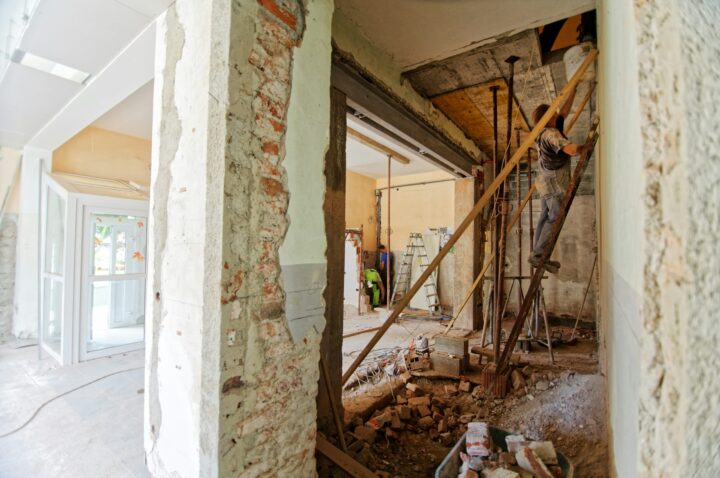
Often, the very first physical step in a renovation isn’t building anything new, but clearing out the old to make space. For an eco-friendly project, this phase is all about smart deconstruction instead of just smashing things down. The main goal is to save as many materials as possible so they can be reused or recycled. Think about old-growth wood beams, cool vintage fixtures, doors, and windows; these can often find a new life.
If you’re tackling bigger projects, like changing the structure or taking out whole sections of a house, you’ll need some expert help. It’s super important to hire experienced demolition contractors who really get the idea behind a green renovation. A professional team can help you clear the site safely and efficiently, getting the most out of salvaged materials and separating recyclables like concrete and metal from general trash. This careful approach means less stuff ends up in the landfill right from the start.
Navigating Permits and Regulations
Before any work kicks off, you absolutely need to understand and get all the necessary permits from your local council. Most renovations need permits for things like structural changes, electrical work, and plumbing. But an eco-friendly build might have a few extra things to consider. For example, if you’re planning a rainwater harvesting system, a graywater recycling system, or certain types of insulation, there might be specific rules or inspection requirements. On the bright side, some cities actually offer perks like incentives, tax credits, or faster permits for projects that meet green building standards. It’s a good idea to check your local government’s website or pop into the building department to get the full scoop on what you need and what benefits you might get.
Sustainable Materials Guide
Picking the right materials is really at the heart of an eco-friendly renovation. You want to focus on products that are recycled, reclaimed, grow back quickly, or are made with as little environmental impact as possible. Luckily, the market for green building materials has grown like crazy!
Here are some popular choices to think about:
- Reclaimed Wood: This wood comes from old barns, factories, and other buildings. It adds so much character and history to floors, accent walls, and furniture, and it keeps old-growth timber from going to waste.
- Bamboo and Cork: Both of these are resources that grow back super fast. Bamboo is a grass that’s ready to harvest in just a few years, and cork comes from the bark of cork oak trees without actually harming the tree itself.
- Recycled Content: Keep an eye out for countertops made from recycled glass and concrete, insulation crafted from recycled denim, or tiles that include recycled materials.
- Low-VOC Products: Use paints, sealants, and finishes that say “low-VOC” (Volatile Organic Compounds) or “zero-VOC.” This helps keep your indoor air quality much better.
Energy Efficiency Upgrades
A big goal for any green renovation is to use less energy in your home over the long run. This doesn’t just shrink your carbon footprint; it also means you’ll save a bunch on your utility bills. One of the best ways to do this is by upgrading your home’s thermal envelope. That means adding really good insulation to your walls, attic, and crawl spaces.
Beyond insulation, think about swapping out old, single-pane windows for modern, energy-efficient double- or triple-pane ones. These windows are great at stopping heat from escaping or getting in, keeping your home warmer in winter and cooler in summer. Even upgrading to Energy Star-rated appliances, from your fridge to your water heater, can make a huge difference.
Waste Management Strategies
Renovations can create a surprising amount of trash. So, having a proactive plan for waste management is super important for keeping materials out of the landfill. Before you even start the project, figure out what you can save, what can be recycled, and what absolutely has to be thrown away. Get in touch with local recycling centers to see what construction materials they accept, like concrete, metal, drywall, and asphalt shingles.
For items that are still in good shape but just don’t fit your new design, donating them is a fantastic option. Places like Habitat for Humanity ReStore often take used cabinets, doors, light fixtures, and appliances. Planning for how you’ll get rid of things from the very beginning helps you lessen your environmental impact and maybe even help your community at the same time.
Thoughtful planning is truly the bedrock of a successful eco-renovation. It turns your dream of a sustainable and healthy home from just an idea into something real and rewarding that you can enjoy for years to come.








I appreciate the emphasis on considering sustainability beyond just materials. It’s important to think about the overall health of our living spaces and their impact on the environment. recommended
I really like how you pointed out that eco-friendly renovations go beyond just selecting sustainable materials. There’s so much to consider in terms of energy efficiency and the overall impact a renovation can have on both the environment and our well-being. see here
I appreciate how the article highlights the importance of understanding the entire renovation process beyond just choosing ‘green’ materials. It’s crucial to consider factors like energy efficiency and the potential long-term impacts on both our health and the environment during planning. check this out
I appreciate how the article addresses the comprehensive nature of eco-friendly renovations. It’s not just about choosing the right materials; it’s also about integrating energy efficiency and overall environmental impact right from the planning stage. This holistic approach truly sets the foundation for a sustainable living space. useful tool
I appreciate that you highlighted the importance of a holistic approach to eco-friendly renovations. It’s fascinating to think about how factors like energy efficiency and sustainable practices can deeply influence not just our homes, but also our overall quality of life. Considering these aspects during the planning phase truly sets the foundation for meaningful change. relevant link
I appreciate how the article stresses the importance of planning ahead before diving into a renovation. Taking the time to assess energy efficiency and the overall impact on the environment is vital for a successful eco-friendly project. It’s refreshing to see a focus on the bigger picture and not just cosmetic upgrades. see here
I find it insightful that you emphasize the need to look at the renovation process holistically rather than simply focusing on eco-friendly materials. Considering energy efficiency and the long-term health implications of our renovations is essential for creating truly sustainable living spaces. worth a look
I really appreciate how you highlight the importance of planning in eco-friendly renovations. It’s often overlooked that optimizing natural light and ventilation can significantly enhance a home’s sustainability and comfort, making a huge difference during the renovation process. recommended
Rhea Thompson September 9, 2026 at 9:15 am I found your insights on incorporating natural elements into the renovation process particularly compelling. Considering things like landscaping and utilizing native plants can greatly enhance both the beauty and sustainability of a project. It’s a holistic approach that truly benefits both the home and the surrounding ecosystem. this one
Leo Johnson September 10, 2026 at 8:15 am I appreciate your insight into how crucial it is to integrate eco-friendly practices during the planning phase of a renovation. It’s fascinating to realize that decisions made at this early stage can set the tone for the entire project’s sustainability, from energy management to waste reduction. check this out