
The following contribution is from another author.
One of the main challenges that comes with designing a kids’ room is longevity. Kids outgrow interior design styles faster than they do clothing sizes, which makes for quite an expensive update each time.
Constantly having to redecorate creates high financial pressure and physical stress for parents, so it’s important to design a future-ready kids’ bedroom that’s able to grow with your child.
This adaptable blueprint is helpful when you need the room’s design to evolve with the child without having to take on any major structural renovations.
By investing in structural neutrals, smart zoning, and modular furniture, parents are able to create a bedroom that transitions seamlessly from early childhood to the teenage years.
If you’re looking to save money and hassle, then this guide will help you figure out what elements are needed in your kids’ space to make it a less costly transition in bedroom design, each time.
The Canvas: Selecting Foundations with Longevity
The ‘canvas’ of the room is considered all of the foundations that make up the space. You want to avoid highly specific themes like nursery pinks or character-themed wallpaper, as your little one will easily outgrow them in a short time.
Color Palettes Beyond Pastel
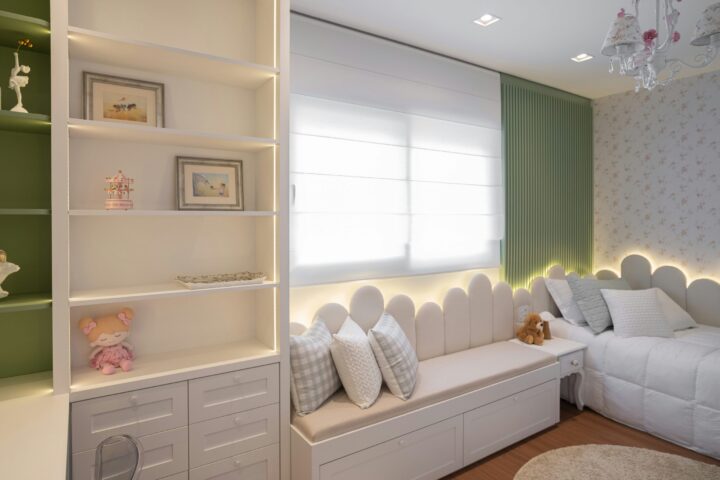
Instead, you want to opt for sophisticated neutrals like a muted sage, a soft cream, or deep navy. By coloring your walls with these simple neutrals, you create the opportunity for bold colors through transitional items like soft furnishings.
Swappable textiles and artwork are all opportunities for transforming the space with color without it needing to be a permanent feature.
High-Endurance Flooring
Consider the lifespan of flooring in terms of engineered hardwood, carpet, and luxury vinyl plank. There’s no point in investing in a type of flooring that you’re going to have to rip up and replace within five years.
Ideally, you want the flooring you pick to be one that’s comfortable but also durable. For kids’ bedrooms especially, there’s a lot of potential damage that the floor will have to endure from being scratch-resistant to toys and water-resistant against spills.
LVP is a good option for the above, but if you’re looking to add a bit of warmth to the space, then low-pile, washable area rugs help provide that softness and also define play zones for your little ones to enjoy.
Architectural & Lighting Flexibility
In order to have a future-ready kids’ bedroom, considering architectural and lighting flexibility is also something to look at. Installing dimmable overhead lighting helps to accommodate sleep routines, but also for those late-night study sessions, too.
It’s helpful to incorporate ample electrical outlets, like built-in USB/USB-C wall ports for the demand of technology that a lot of kids in this generation will likely be using more of as they get older.
You could also opt for timeless window treatments like cellular shades or neutral Roman blinds over cartoon prints that again, will become outdated.
Furniture That Pivots: Investing in Lifespan
You should have furniture within the space that pivots from one stage of your child’s life to the next.
For example, the bed is one that should be evolving. A convertible crib that transitions into toddler beds and full-size beds can save you an absolute fortune over time. The alternative strategy is skipping the toddler bed and opting for a high-quality twin or full bed that has removable safety rails.
Modular shelving units and scalable storage are another touchpoint to think about when making a kids’ bedroom that’s designed for the future. Modular shelving that sits horizontally is helpful for toddlers, and then can be stacked vertically for teens.
Wardrobe systems that have adjustable hanging rods and removable interior drawers are helpful.
Height-adjustable desks are good for growing with the child’s physical height. It’s good to have ergonomic workstations available in order to help ensure they have their own personal studying space when they get older. Focus on neutral, high-quality finishes that survive the changing aesthetic preferences of your child.
Strategic Zoning: Adapting the Layout Over Time
To help your child grow in their own personal space, strategic zoning is good to put in place. That way, you can adapt the layout over time.
Stage 1: The Toddler & Preschool Years (Ages 2–5)
Look at how you can prioritize the floor space for physical play and to ensure they can get the most out of playtime, whether it be toy trains or kitchen play.
Stage 2: The Elementary School Years (Ages 6–11)
At this point in your child’s life, you want to transition the floor space into a designated homework and craft zone instead.
If your child is interested in reading, then encouraging that passion with a small reading nook is also handy to have. Make use of this space by adding a cozy chair or large floor cushions.
Stage 3: The Middle & High School Years (Ages 12+)
Once your child has reached this age, the play/reading area is likely to benefit from becoming a social lounge area for friends. Expand the desk area to accommodate tech gear, computers, and for intensive studying sessions, ready for exams.
Decor & Personalization: Letting the Child Drive the Style
You must give your child the reins when it comes to designing their bedroom, especially as they get older. Keep 80% of the room neutral and then dedicate 20% of it to temporary and age-specific trends that the child can choose for themselves.
It’s good to look at damage-free personalization tactics, so you’re not spending a fortune on redecorating with paint or wallpaper. Make use of peel-and-stick murals or decals that don’t leave any residue upon removal.
Installing a large corkboard, magnetic wire grids for hanging school art or teen posters, helps to save on the damage this can otherwise cause, going straight onto the wall.
Incorporate any framed art prints that can be swapped out for something new as interests undoubtedly change.
Future-proofing your kids’ bedroom can help to save a lot of money over time, so it’s good to have some flexibility throughout the room to help ensure you’re getting the most value for changes you make throughout their childhood.