The following contribution is from another author.
When you think about smart homes, you probably picture things like lights you can talk to or a video doorbell. But some of the most powerful smart tech is actually working quietly in the background, handling your home’s climate. Sure, smart thermostats get all the glory, but real home comfort means more than just the right temperature. It’s about creating a space that’s healthy, efficient, and perfectly in tune with your life. We’re talking about a responsive system that goes way beyond just setting a schedule.
The Evolution of Home Climate Control
For ages, if you wanted to change your home’s comfort, you’d walk over to a box on the wall and fiddle with a simple dial for your furnace or air conditioning. Programmable thermostats were a step up, letting you set basic schedules, but they didn’t really keep up with our ever-changing lives. If your plans suddenly changed, your house would still be heating or cooling an empty room.
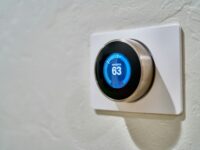
Then came the smart thermostat. It connected to Wi-Fi, letting you control it from your phone, and that changed everything. But that was just the start. Today’s advanced systems use geofencing to know when you’re headed home, sensors to figure out which rooms are being used, and clever algorithms that learn what you like over time. We’ve moved past simple programming and into truly smart automation.
Optimizing Indoor Air Quality
A comfy home isn’t just about the temperature; it’s also about the air you breathe. Modern smart climate systems now include features that actively check and manage your indoor air quality (IAQ). This is an important part of a healthy home that old-school thermostats completely miss.
These systems can keep an eye on things like humidity, dust, pollen, and even those invisible volatile organic compounds (VOCs). If the air quality dips, the system can automatically kick on an air purifier, a dehumidifier, or a ventilation fan. This makes your living space much healthier, which is a huge plus for anyone with allergies or asthma. This tech is even expanding to help protect against outside issues, with smart thermostat innovation being developed to help homeowners deal with outdoor air quality problems like smoke from wildfires.
Integrating Smart HVAC Systems
The real magic of a smart climate system comes from how everything works together. Instead of a bunch of separate gadgets, you get one smooth system where all the parts talk to each other. This makes your home truly responsive. For instance, smart vents can team up with your thermostat to create different temperature zones. That means you can cool your home office during the day without wasting energy on empty bedrooms.
This connected setup is a big part of the future of HVAC, where your whole system works as one. Your smart blinds might automatically close on a hot afternoon to block out the sun’s heat, telling your HVAC to take it easy. A smart ceiling fan can switch on to help move cool air around, letting you set your thermostat a few degrees higher while still feeling perfectly comfortable.
Energy Efficiency and Cost Savings
One huge perk of this smart control is that it cuts down a lot on energy use. A system that knows when you’re home, which rooms are occupied, and what the weather’s doing can make tiny adjustments that really add up to big savings on your energy bills. It stops you from wasting energy by heating or cooling an empty house or a room nobody’s using.
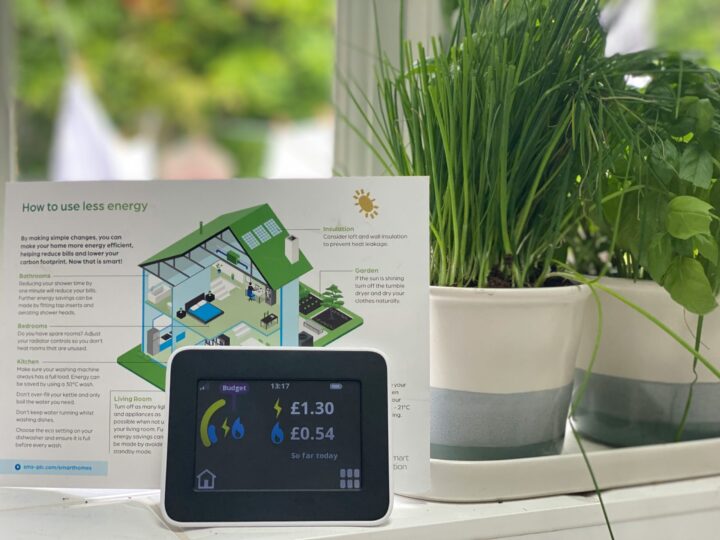
Many smart climate systems also give you detailed reports on your energy use. You can see exactly how much energy you’re using and when, helping you spot patterns and fine-tune things even more. Some systems even offer tips based on how you use them, helping you become more efficient over time. This information helps you make smarter choices that are good for both your wallet and the planet.
Future-Proofing Your Home Comfort
The technology behind smart home comfort is always moving forward. The next big thing is all about systems that can predict and act proactively. Future systems will use AI and machine learning to not only learn what you like but also guess what you’ll need. They’ll do this by looking at weather forecasts, your personal calendar, and even real-time electricity prices.
Imagine your home cooling itself down before a heatwave hits, doing it during off-peak hours when electricity is cheapest. Or a system that notices an unusual drop in humidity and warns you about a possible problem before you even spot it. By investing in a connected smart climate system today, you’re building a base that can adapt and grow as these cool new features become available.
Ultimately, the goal is a home that doesn’t just do what you tell it to, but actually knows what you need, creating a perfectly comfortable and healthy space without you ever having to think about it.