
The following contribution is from another author.
The color you pick for your walls is one of the easiest and most effective ways to spruce up your home. A simple coat of paint can instantly take a room from looking old and tired to feeling fresh and modern. It’s more than just a pretty choice; the right colors can actually lift your spirits, make a space feel bigger, and even boost your property’s value. Whether you’re painting for your own enjoyment or getting your home ready to sell, a smart approach to color can really pay off.
Colors That Sell Your Home
When you’re selling your home, you want to create a welcoming vibe where potential buyers can easily picture themselves living. While everyone has their own taste, real estate info shows that some colors consistently do better than others. Studies reveal that certain paint choices can surprisingly affect your home’s final sale price. For instance, homes with light blue bathrooms or dark gray front doors have been known to attract higher offers.
Painting is a big-impact, low-cost update that tells buyers your home is well-cared-for. A fresh coat of paint in a color that’s popular with buyers can make your home stand out. While some folks love a good DIY project, getting a professional, streak-free finish that truly impresses buyers can be tough. If you want the job done right without the hassle and time commitment, hiring a professional interior painting company is a smart move. They know how to properly prep surfaces and apply paint for a durable, perfect look that really enhances your home’s curb appeal.
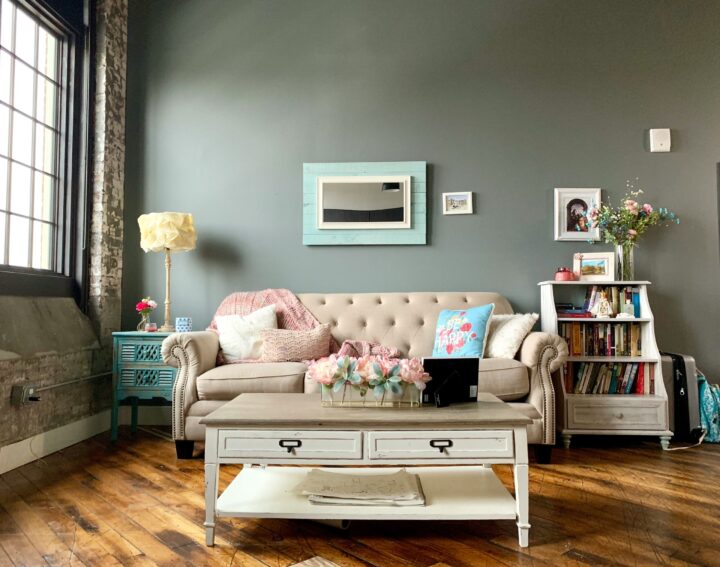
Recent home sales analysis even suggests that some bolder choices can be rewarding. While neutral colors are always a safe bet, certain rooms can really shine with a specific pop of color. For example, a deep, charcoal gray in a living room can feel sophisticated and cozy, and it’s been linked to thousands more in offers. The trick is to choose colors that feel intentional and high-end, not random or too personal.
Understanding Color Psychology in Decor
Color doesn’t just decorate a space; it actively changes how we feel when we’re in it. Learning a bit about color psychology can help you turn your home into a place that supports your well-being. Each color family has different psychological associations that you can use to create the perfect mood in any room.
- Blues: These often bring to mind calmness and peace, making them great for bedrooms and bathrooms. Lighter blues can make a room feel open and airy, while deeper navy or indigo tones can create a snug, secure feeling.
- Greens: Connecting us to nature, greens are relaxing and balanced. Sage, mint, and olive greens are versatile choices for living rooms and kitchens, helping to create a sense of calm and health.
- Yellows: This color sparks feelings of happiness, optimism, and energy. Soft, buttery yellows can make a kitchen or breakfast nook feel warm and inviting. It’s usually best to avoid bright or intense yellows, which can feel a bit too much in large areas.
- Reds: A color of passion and energy, red works best as an accent. A red front door can give a warm welcome, but an entire red room might feel overwhelming or aggressive.
- Grays and Whites: These neutral shades create a clean, sophisticated feel. They offer a blank canvas that feels calm and orderly, letting architectural details and furniture really pop. This neutral background is also a smart choice for homeowners looking to sell, as a fresh coat of paint can really boost a property’s appeal to potential buyers.
When you’re picking colors, think about what the room is mainly used for. A home office might benefit from a focused, subtle blue-gray, while a playroom could handle more energetic but still tasteful shades. By matching your color choices to the room’s purpose, you’ll create a more harmonious and practical living space.
Neutral Palettes for Broad Appeal
When you’re getting a house ready to sell, a neutral color palette is almost always the go-to recommendation. Neutral walls offer a clean slate, letting potential buyers easily imagine their own furniture and artwork in the space without getting sidetracked by your specific color choices. But “neutral” doesn’t have to mean plain white. The world of neutrals is full of sophisticated options that can add warmth and character.
The most popular neutrals for boosting home resale value generally fall into a few main categories:
- Greige: This mix of gray and beige is the ultimate versatile neutral. It can look warm or cool depending on the light, making it a great match for all sorts of flooring and furniture styles.
- Warm Whites: Instead of a stark, clinical white, try off-whites with creamy, yellow, or pink undertones. These colors feel softer and more inviting, creating a cozy atmosphere without losing that clean, spacious feel.
- Cool Grays: Light grays with blue or green undertones can give a room a modern, airy, and sophisticated vibe. They look fantastic with crisp white trim and are a popular choice for open-concept living areas.
The secret to a successful neutral palette is consistency. Picking one or two main neutrals for your main living areas and then slightly different shades for bedrooms creates a smooth flow throughout the house. Before you commit, always test large swatches of your chosen colors on different walls. A color can look completely different in the morning light compared to the afternoon, or under artificial lighting.
When to Hire a Color Consultant
Choosing the perfect paint color can feel surprisingly high-stakes. Staring at a wall of hundreds of slightly different white or gray paint chips can be totally overwhelming. While many people are happy picking a color on their own, there are times when bringing in a professional color consultant can save you time, money, and a lot of second-guessing.
Think about hiring a consultant if you’re dealing with one of these situations:
- Open-Concept Spaces: In a home with an open floor plan, colors need to flow seamlessly from one area to the next. A consultant can help you create a unified palette that defines different zones without feeling choppy.
- Tricky Existing Finishes: If you’re not renovating everything, you have to work with what’s already there. A consultant is a pro at finding colors that will blend beautifully with existing countertops, flooring, cabinetry, or even a prominent brick fireplace that’s not going anywhere.
- Analysis Paralysis: If you’ve been living with mismatched paint swatches on your walls for months and just can’t make a decision, a professional can give you the clarity and confidence you need to move forward.
- Desire for Bold Color: Maybe you love the idea of a dramatic navy blue dining room or a deep green office, but you’re worried about getting it wrong. A consultant can help you pick the right shade and intensity, making sure your bold choice looks chic and intentional, not chaotic.
A color consultant does more than just pick colors. They look at your home’s natural light, architectural style, and your personal taste to develop a complete color story that works for your entire home. Their expertise provides a roadmap, helping you avoid expensive mistakes and ensuring a beautiful, cohesive result.
Beyond Walls: Accents and Trim
A truly polished look goes beyond just the four main walls of a room. The colors you choose for your trim, ceilings, and accent features play a crucial supporting role in the overall design. Paying attention to these details can turn a simple paint job into a sophisticated and cohesive interior.
Trim and molding are like the frames for your walls. A fresh coat of crisp, semi-gloss white is a classic choice for a reason. It creates a clean, sharp contrast that makes any wall color, whether it’s a soft neutral or a bold hue, look more defined and intentional. For a more modern or dramatic effect, you could paint the trim the same color as the walls but in a different finish (like matte walls with semi-gloss trim) or choose a contrasting color like a dark gray or black.
Don’t forget to look up! The ceiling, often called the “fifth wall,” is an opportunity many people miss. While white is a safe and effective choice for making a room feel bigger, a very pale blue can mimic the sky and create an airy feel. In a room with high ceilings, like a dining room or primary bedroom, painting the ceiling a darker, dramatic color can create a cozy and intimate atmosphere.
Finally, interior doors offer another chance to add character. Painting interior doors a sophisticated black or charcoal gray can add a touch of elegance and make standard hardware look more expensive. This one detail can have a surprisingly powerful impact, giving your whole home a high-end feel.
Picking the right paint color is a journey of balancing your personal taste with what generally appeals to others. By thinking smartly about hue, finish, and how you apply it, you can unlock your home’s full potential, creating a space that feels both lovely to live in and valuable on the market. Start by testing your top choices in the room itself to see how they change with the light, and you’ll be well on your way to a successful transformation.